Enhance Your Culinary Creations by Choosing Quality Firewood
What Role Does Wood Density Play in Ensuring Reliable Burning Performance?
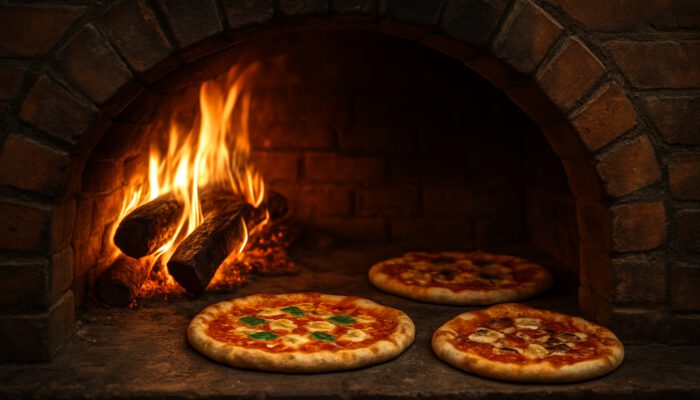
Selecting the right firewood is essential for achieving outstanding results in your wood-fired oven. Focus on dense hardwoods such as oak, hickory, and ironbark. These types burn slowly and provide a steady heat output, which is crucial for cooking a variety of dishes. A consistent burn prevents sudden temperature changes that could lead to uneven cooking or burnt food. dense hardwoods generate less smoke, creating a cleaner cooking atmosphere and amplifying the flavours of your meals.
When choosing firewood, consider both its source and type. Local hardwoods often offer sustainability and can add unique flavours to your dishes. Avoid softwoods like pine or cedar, as they burn too quickly and produce excessive smoke and creosote. This build-up can negatively affect your oven and flue system. By prioritising dense hardwoods, you lay the groundwork for successful cooking experiences in your wood-fired oven.
Understanding the wood’s density is important, but knowing its burn characteristics is equally vital. Consistent heat output allows better temperature control, enabling you to achieve that perfect crust on pizzas or roast meats to perfection. Choosing the appropriate wood can significantly impact your culinary outcomes, enhancing both taste and cooking efficiency.
What Are the Best Practices for Cutting Firewood to Ideal Sizes?
Proper preparation of your firewood is crucial for optimal performance in a wood-fired oven. Cutting logs into uniform lengths ensures they fit neatly within the oven chamber, promoting airflow and enabling efficient combustion. Ideally, firewood pieces should be around 30 cm in length and 10 cm in diameter. This size allows for a balanced fire that maintains steady heat while remaining easy to handle during cooking.
Uniform firewood sizes also play a significant role in achieving even cooking temperatures. If the pieces are too large or irregular, they can create hot and cold spots in the oven, leading to inconsistent cooking results. By ensuring that your firewood is cut to the right dimensions, you can improve your oven’s performance, significantly enhancing your overall cooking experience.
To further increase the efficiency of your firewood, consider splitting logs to expose more surface area, which aids in quicker ignition. This technique not only promotes faster lighting but also helps create a hotter fire more rapidly. Proper preparation techniques can significantly elevate your cooking capabilities and improve the quality of your dishes.
How Can You Store Firewood to Maintain Optimal Moisture Levels?
Storing firewood properly is vital for ensuring the correct moisture content for effective burning. Keeping your wood in a dry, well-ventilated space prevents moisture accumulation, which can impede ignition and lead to inconsistent heating performance. A well-designed wood shed that promotes airflow is ideal, as it shields your wood from rain and moisture while allowing it to breathe adequately.
Avoid placing firewood directly on the ground to prevent rot and insect infestations. Instead, use pallets or racks to elevate the wood, facilitating airflow beneath and preserving its quality. Elevating your wood also guarantees efficient burning when you’re ready to cook, providing the best possible results in your wood-fired oven.
Monitoring the moisture content of your firewood is essential. Ideally, the moisture content should remain below 20%. A moisture meter can help verify this before use. Well-stored firewood ignites easily, generates more heat, and produces less smoke, all of which contribute to a superior cooking experience in your wood-fired oven.
Why Is Choosing Seasoned Firewood Crucial for Efficient Burning?
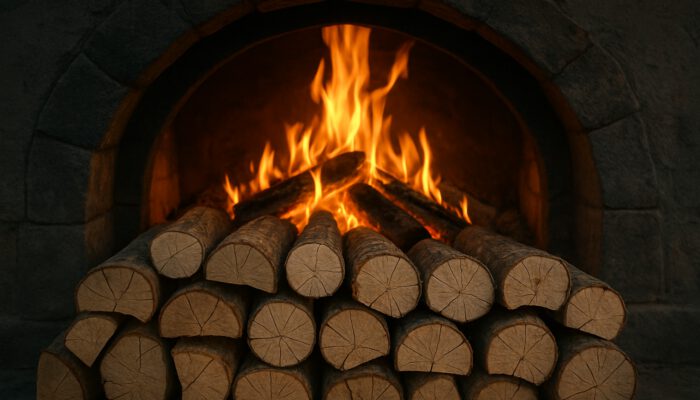
Selecting seasoned firewood is vital for maximising burning efficiency in your wood-fired oven. Seasoned wood is air-dried for at least twelve months, ensuring a moisture content below 20%. This low moisture level allows for easy ignition, generates more heat, and reduces smoke and creosote build-up in the oven flue. Using unseasoned wood can result in poor combustion, excessive smoke, and a frustrating cooking experience.
When choosing seasoned wood, look for logs that are lighter in weight and have a dull appearance. The bark should be tight, and the wood should produce a hollow sound when knocked together. These characteristics indicate that the wood is adequately seasoned and ready for use. Investing in quality seasoned firewood can greatly boost the efficiency and flavour of your cooking.
Consider the type of wood you select as well. Different hardwoods impart unique flavours to your dishes, so feel free to experiment with varieties like cherry, apple, or mesquite to discover your preferred taste profiles. Seasoned firewood not only enhances your oven’s performance but also elevates the overall quality of your meals.
What Steps Should You Take to Assess Firewood Quality Before Buying?
Before purchasing firewood, assessing each piece for quality and defects is crucial. Look for signs of rot, insect infestation, or excessive splitting that could compromise the wood’s structural integrity. Inferior quality wood can lead to inefficient burning and pose potential hazards in a heated oven environment. Always inspect for visible mould or soft spots, as these may indicate unsuitability for cooking.
When sourcing firewood from a supplier, ask about the source and the seasoning process. Reputable suppliers will provide details on how long the wood has been seasoned and the varieties available. This information empowers you to make informed choices, ensuring you acquire the best quality firewood for your cooking needs.
Taking the time to inspect firewood before purchase can save you from disappointing cooking experiences. Quality wood leads to superior combustion, better heat retention, and enhanced flavours in your meals. A little diligence in selecting the right firewood pays off, guaranteeing delicious results each time you use your oven.
Master Cooking Techniques for Success in Wood-Fired Ovens
How Can You Effectively Manage Heat for Precise Cooking?
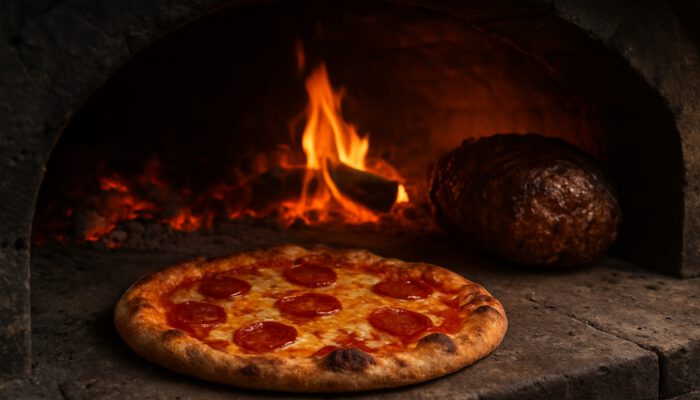
Heat management is fundamental to successful cooking in a wood-fired oven. Mastering flame and coal control is essential for achieving accurate cooking results. Start by building a robust fire and allowing it to burn down to coals before placing food inside. This phase is critical, as it provides a consistent and even heat source necessary for dishes that require longer cooking times.
To effectively manage heat, utilise a combination of direct and indirect cooking methods. For instance, place pizzas directly on the oven floor for high-temperature cooking, while larger cuts of meat can be positioned further from the flames for slower roasting. Adjusting the placement of your food relative to the fire allows better control over cooking times and temperatures, resulting in perfectly cooked meals.
Monitoring the temperature is another essential aspect of heat management. Use an infrared thermometer to check the oven’s surface temperature, ensuring it reaches the desired level before cooking. This tool helps you avoid common problems like undercooked or burnt food, allowing you to refine your techniques and achieve consistently excellent results in your wood-fired oven.
What Are the Best Preheating Techniques for Optimal Cooking?
Properly preheating your wood-fired oven is vital for reliable cooking results. Here are some key advantages of an effective temperature build-up routine:
- Ensures even heat distribution throughout the oven.
- Reduces cooking times, leading to better energy efficiency.
- Enhances the flavour of your dishes by promoting optimal caramelisation.
- Prevents food from sticking to surfaces by achieving the right cooking temperature.
Begin by lighting a substantial fire and allowing it to burn for at least 30 to 45 minutes. This build-up period is crucial for reaching the desired cooking temperature, typically between 400°C to 500°C for pizza and around 180°C for baking bread. During this time, ensure the flames have died down, leaving a bed of hot coals.
Once the oven reaches the desired temperature, use a long-handled peel to check the oven floor. A light dusting of flour should sizzle upon contact with the surface, indicating it’s ready for cooking. Following this preheating routine ensures that your wood-fired oven delivers consistent, delicious results every time.
How Do You Adjust Timing for Successful Meal Preparation?
Timing adjustments are crucial for successful meal preparation in a wood-fired oven. Professional chefs often rely on their instincts, but practical tips can help refine your techniques. When cooking pizzas, the optimal cooking time is approximately 90 seconds to 2 minutes. This rapid cooking is achievable due to the oven’s high heat, resulting in a perfectly cooked crust with a soft, chewy interior.
For larger cuts of meat, such as roasts, timing becomes even more critical. A general guideline is to cook meat for about 20 minutes per kilogram at a temperature around 180°C. Monitoring the internal temperature with a meat thermometer is essential to ensure it reaches the desired doneness. Adjusting cooking times based on the size and type of meat helps avoid undercooked or overcooked results.
Baking bread typically requires about 30 to 40 minutes in a wood-fired oven. The high temperatures create a lovely crust while keeping the interior moist. For the best results, consider rotating the bread halfway through the cooking process to ensure even browning. By making these timing adjustments based on your specific dishes, you can refine your cooking techniques and avoid common pitfalls.
Which Wood Types and Maintenance Practices Are Ideal for Cooking?
Choosing the right type of wood is vital for optimal heat and flavour in your wood-fired oven. Hardwoods like ironbark, eucalyptus, and hickory are excellent options, as they burn hot and long, providing consistent heat for various cooking needs. Each wood type imparts unique flavours, so experimenting with different varieties can enhance your culinary creations.
Establishing a maintenance routine for your oven is equally important. Regularly cleaning the interior and exterior prevents the build-up of ash and creosote, ensuring efficient performance. After each use, allow the oven to cool, then sweep out any residual ash and debris. This practice not only prolongs the life of your oven but also maintains the quality of your cooking.
Consider scheduling thorough inspections of your oven every few months. Check for cracks in the bricks or any signs of wear on the metal components. Addressing these issues promptly ensures that your wood-fired oven remains in top condition, ready to deliver delicious results in various cooking conditions.
What Key Safety Precautions Should You Take While Cooking?
How Can You Protect Your Hands During Cooking Tasks?
Safety is paramount when cooking in a wood-fired oven, particularly regarding hand protection during handling tasks. Always wear thick, insulated gloves when moving hot items or adjusting the fire. These gloves provide a barrier against burns, ensuring a secure cooking environment. Opt for gloves made from heat-resistant materials, such as leather or silicone, to withstand high temperatures and offer maximum protection.
To gloves, consider using long-handled tools like pizza peels and tongs. These tools allow you to maintain a safe distance from the heat while managing your food. When placing or removing items from the oven, take your time and ensure you have a firm grip. Rushing can lead to accidents, so be mindful of your movements and focus on safety at all times.
It’s also essential to educate anyone else using the oven about safety practices. Establish clear guidelines for handling hot items and the importance of wearing protective gear. By prioritising safety measures, you create a more secure cooking environment, allowing you to enjoy the experience without unnecessary risks.
How Do You Evaluate Your Surroundings for Potential Hazards?
Monitoring your surroundings for hazards is a critical safety measure when operating a wood-fired oven. Keep the area clear of flammable materials, such as paper, cloth, or dry vegetation. Maintain a safe distance of at least 1.5 metres from the oven to prevent accidental fires. Regularly inspect the cooking area for any potential hazards and take proactive steps to eliminate them.
Proper ventilation is another essential aspect of safety. Ensure that your cooking space has adequate airflow to support safe operation throughout the entire process. This helps to prevent smoke and carbon monoxide accumulation, which can pose serious health risks. If cooking indoors, consider installing a chimney or vent to direct smoke outside, ensuring a safer cooking environment.
Educating yourself and others about potential hazards is equally important. Familiarise yourself with the operation of your wood-fired oven and understand the risks involved. By being vigilant and proactive, you can create a safer cooking environment for everyone involved, enhancing the overall cooking experience.
What Is the Safest Method for Extinguishing Fires?
Safely extinguishing fires is a crucial aspect of operating a wood-fired oven. After cooking, allow the coals to cool naturally before disposing of ashes. This cooling period can take several hours, so exercise patience. Once the coals are cool, use a metal container to dispose of the ashes, ensuring they are placed away from any structures or dry vegetation to prevent accidental fires.
If you need to extinguish the fire quickly, sprinkle water over the coals. Exercise caution, as this can create steam and hot embers that may escape. Always wear protective gear, including gloves and safety goggles, when handling hot materials or extinguishing the fire to ensure your safety.
Regularly cleaning out ash and debris from your oven not only helps with fire safety but also improves the efficiency of your cooking. By following proper extinguishing protocols and maintaining cleanliness, you ensure a safe and enjoyable experience every time you use your wood-fired oven.
What Are the Research-Backed Benefits of Cooking in a Wood-Fired Oven?
How Does Wood-Fired Cooking Enhance Flavour Development?
Cooking in a wood-fired oven offers a unique advantage: enhanced flavour development. The high temperatures and direct flames infuse meals with distinctive smoky notes that elevate everyday ingredients into extraordinary dining experiences. This cooking method creates a depth of flavour often difficult to replicate with conventional ovens, making it a preferred choice among culinary enthusiasts.
The interaction between the wood and the food is crucial in developing these flavours. As the wood burns, it releases aromatic compounds that permeate the dishes being cooked. This infusion can transform simple ingredients, such as vegetables or meats, into culinary masterpieces that delight the palate. It’s this unique flavour profile that has made wood-fired cooking a cherished method across cultures.
The intense heat of a wood-fired oven promotes caramelisation and Maillard reactions, further enhancing the taste of your meals. The result is a complex, rich flavour that resonates with food lovers and can turn any meal into a special occasion. By embracing wood-fired cooking, you unlock a world of flavour possibilities that can elevate your culinary creations to a new level.
How Can Wood-Fired Cooking Achieve Exceptional Crust Textures?
One of the standout advantages of cooking in a wood-fired oven is the ability to achieve outstanding crust textures. The high, intense heat creates crispy exteriors on breads and pizzas while keeping the interiors moist and tender. This contrast in textures is what makes wood-fired pizzas so highly sought after, with their perfectly charred crusts and deliciously chewy centres that are hard to resist.
The rapid cooking times in a wood-fired oven also contribute to this superior crust. Foods cook quickly at high temperatures, allowing for the development of a beautifully browned surface without overcooking the inside. This technique is particularly effective for artisan breads, where a crispy crust is essential for a satisfying bite that leaves a lasting impression.
To maximise crust quality, adequately preheat your oven and use the right types of flour. High-protein flours, such as bread flour, can help develop gluten structures that contribute to a better rise and texture. By focusing on these elements, you can create crusts that are not only visually appealing but also incredibly delicious, enhancing your overall cooking experience.
How Does Your Choice of Fuel Impact Nutritional Value?
The choice of fuel significantly affects the nutritional quality of the food cooked in a wood-fired oven. Selecting clean-burning woods, such as properly seasoned hardwoods, minimises unwanted residues that could alter the nutritional profile of your meals. Clean-burning wood ensures that the natural qualities of foods are preserved during high-temperature exposure, allowing for healthier cooking options that retain essential nutrients.
The intense heat of a wood-fired oven can help retain nutrients in specific foods. For instance, roasting vegetables at high temperatures can enhance their natural flavours while preserving vital vitamins and minerals. This cooking method allows you to enjoy the health benefits of fresh produce without compromising on taste, making wood-fired cooking a wholesome choice.
Cooking with wood often leads to more wholesome meals. The unique flavours imparted by the wood can encourage the use of fresh, seasonal ingredients, promoting a diet rich in fruits and vegetables. By making informed fuel choices, you can elevate both the taste and nutritional value of your meals, creating a more balanced and satisfying dining experience.
How Can You Naturally Enhance Flavour Profiles in Your Cooking?
What Are the Benefits of Strategic Herb Placement?
Enhancing flavour profiles naturally in a wood-fired oven can be achieved through strategic placements of herbs. Positioning fresh bundles of herbs near the heat source allows them to gradually release aromatic oils, infusing your dishes with subtle, complementary tastes. Herbs like rosemary, thyme, and oregano work particularly well, as their flavours can withstand intense heat while enhancing the overall taste of your meals.
Consider wrapping herbs in foil or placing them in a small cast-iron pan to protect them from direct flames while still allowing their oils to permeate the cooking environment. This method not only enhances the flavour of the dishes but also adds an aromatic experience to the cooking process itself, making it more enjoyable.
Experimenting with various herb combinations can lead to exciting flavour discoveries. For instance, pairing rosemary with roasted meats or using basil with pizzas can elevate your meals to a new level. By utilising the natural flavours of herbs, you can create dishes that are both delicious and memorable, impressing your guests with your culinary skills.
How to Balance Smoke Intensity for Optimal Flavour Enhancement?
Balancing smoke intensity levels is essential for achieving the perfect flavour in your wood-fired dishes. The type of wood you choose and the size of your fire both play significant roles in controlling smokiness. For example, fruitwoods like apple or cherry impart a milder, sweeter smoke that complements many dishes without overwhelming their natural flavours.
Adjusting the fire size can also help manage smoke intensity. A smaller fire produces less smoke, while a larger fire may create a more robust smokiness. Experimenting with different wood types and fire sizes allows you to find the right balance that enhances rather than overshadows the primary ingredients in each recipe, ensuring a delightful culinary experience.
Monitoring the cooking process is crucial for achieving the desired smoke level. If you notice that the smoke is becoming too intense, consider adjusting the airflow or adding more seasoned wood to the fire. By keeping a close eye on smoke intensity, you can ensure that your dishes achieve the perfect flavour profile, making your wood-fired cooking even more enjoyable and satisfying.
How Can You Test Seasoning Combinations for Depth of Flavour?
Testing seasoning combinations is an effective way to enhance flavour profiles in wood-fired cooking. Certain spices and herbs pair exceptionally well with the smoky notes imparted by wood-fired methods. Consider these key benefits of spice blends that work harmoniously with this cooking style:
- Enhances the natural flavours of grilled meats and vegetables.
- Creates depth and complexity in sauces and marinades.
- Balances the smokiness of wood-fired dishes.
- Adds colour and visual appeal to your meals.
Experimenting with combinations such as smoked paprika, garlic powder, and black pepper can significantly elevate your dishes. consider using citrus zest or vinegar to brighten flavours and cut through richness, providing a well-rounded taste experience that tantalises the palate.
Don’t hesitate to try unconventional pairings, as the unique flavours produced by wood-fired cooking can surprise you. By testing various seasoning combinations, you can discover new favourites that perfectly complement your culinary creations, making every meal an exciting adventure that showcases your creativity in the kitchen.
Why Choose Seasonal Produce to Naturally Enhance Flavour?
Selecting seasonal produce is another effective method to enhance flavour profiles naturally in your wood-fired oven. Choosing ripe, seasonal fruits and vegetables ensures maximum natural sweetness and nutrients. This approach allows the inherent flavours to shine through when exposed to the controlled heat of a wood fire without relying on excessive seasonings.
Incorporating seasonal produce elevates the taste of your dishes and supports local farmers and reduces your carbon footprint. Seasonal ingredients are often fresher and more flavourful, making them ideal for wood-fired cooking. For instance, using fresh tomatoes in summer for pizzas or root vegetables in winter for roasting can create memorable meals that highlight the essence of each season.
Consider the cooking method when using seasonal produce. Roasting vegetables in a wood-fired oven can caramelise their natural sugars, intensifying their flavours and creating delightful textures that enhance your overall dining experience. By prioritising seasonal produce, you elevate the quality of your meals and celebrate the flavours that each season has to offer.
What Are the Best Practices for Maintaining and Storing Your Oven Equipment?
How to Effectively Remove Ash Residues for Optimal Performance?
Cleaning your wood-fired oven is essential for maintaining its performance and ensuring delicious results. Regularly removing ash residues is a critical part of this process. After each cooking session, allow the oven to cool completely before sweeping out the cooled debris. Using an appropriate broom or ash rake, carefully gather the ash and dispose of it in a metal container to prevent any fire hazards.
Cleaning the oven regularly is essential, as accumulated ash can hinder airflow and affect combustion efficiency. A clean oven improves heat retention and prevents unwanted flavours from lingering in your next meal. Establish a routine for cleaning after each use to keep your oven in optimal condition for your next cooking adventure.
To removing ash, consider deep cleaning your oven periodically. This includes inspecting and cleaning the oven floor and walls, removing any stubborn residue that may have built up over time. By keeping your oven clean, you ensure that it remains a reliable tool for all your cooking endeavours, allowing you to create exceptional meals effortlessly.
What Steps Should You Take for Regular Inspections to Identify Wear and Tear?
Regular inspections of your wood-fired oven are crucial for ensuring continued safe and efficient performance. Over time, intense heat can cause wear on the surfaces, including bricks and metal components. Check for cracks, chips, or signs of deterioration after repeated use, as these can impact the oven’s functionality and safety.
If you notice any damage, address it promptly. Small cracks can often be repaired with high-temperature mortar, while larger issues may require professional assessment. Keeping your oven in good condition extends its lifespan and ensures it operates effectively, delivering consistent cooking results you can rely on.
To inspecting the oven itself, check the tools and accessories you use. Ensure that pizza peels, brushes, and other equipment are in good condition, as worn-out tools can complicate cooking and lead to accidents. By maintaining both your oven and its accessories, you create a safe and efficient cooking environment that enhances your culinary experience.
How to Organise Your Tools for Streamlined Access?
Organising your oven equipment is essential for efficient cooking and a smooth workflow. Store your peels, brushes, and covers in designated spots nearby to ensure everything is handy whenever you’re preparing to cook. This not only saves time but also minimises the risk of accidents while searching for tools in a disorganised space.
Consider using wall-mounted racks or storage bins to keep your tools organised and easily accessible. Labelling containers can also help you quickly locate what you need, reducing frustration during busy cooking sessions. A well-organised workspace enhances your cooking experience and allows you to focus on creating delicious meals without unnecessary distractions.
Regularly review your tools and remove any items that are no longer necessary. This practice helps maintain a tidy cooking area and ensures that you only have the tools you truly need. By keeping your equipment organised, you set yourself up for success in your wood-fired cooking adventures, enabling you to create culinary masterpieces with ease.
What Common Questions Arise About Wood-Fired Cooking?
Which Type of Wood is Best for a Wood-Fired Oven?
Dense hardwoods like oak, hickory, and ironbark are ideal for wood-fired ovens due to their slow burn and consistent heat output, making them perfect for various cooking needs.
How Long Should I Preheat My Wood-Fired Oven?
Preheat your wood-fired oven for at least 30 to 45 minutes to ensure even heat distribution before cooking begins, enhancing your cooking results.
Can I Use Softwood in My Wood-Fired Oven?
It’s best to avoid softwoods like pine or cedar, as they burn too quickly and produce excessive smoke, which can affect flavour and efficiency.
How Do I Know When My Oven is Ready for Cooking?
A light dusting of flour should sizzle upon contact with the oven floor, indicating it’s at the right temperature for cooking various dishes.
What Safety Gear Should I Use When Cooking?
Always use thick, insulated gloves and long-handled tools to protect yourself from burns and manage hot items safely while cooking in your wood-fired oven.
How Do I Clean My Wood-Fired Oven?
Allow the oven to cool, then sweep out cooled ash and debris regularly. Deep clean the interior periodically to maintain optimal performance and hygiene.
What Are the Benefits of Using Seasoned Wood?
Seasoned wood has a lower moisture content, promoting easier ignition, more heat, and less smoke during cooking, leading to better flavour and efficiency.
How Can I Enhance the Flavour of My Dishes?
Experiment with herb placements and different wood types to infuse your dishes with unique flavours while cooking, enhancing the overall taste experience.
What Should I Do If My Oven Develops Cracks?
Inspect cracks regularly and repair small ones with high-temperature mortar, or consult a professional for larger issues to ensure safe operation.
How Can I Store My Firewood Properly?
Store firewood in a dry, ventilated area off the ground to prevent dampness and maintain optimal moisture levels for burning, ensuring efficient cooking.
Stay updated by visiting our Facebook profile!
The post Top Tips For Cooking In A Wood-Fired Oven: Essential Pro Tips appeared first on https://cookinggods.com
The Article Cooking in a Wood-Fired Oven: Essential Tips for Success Was Found On https://limitsofstrategy.com