Elevate Your Culinary Skills with Expert Techniques for Making Violet Sugar
Essential Tools for Creating Perfect Violet Sugar
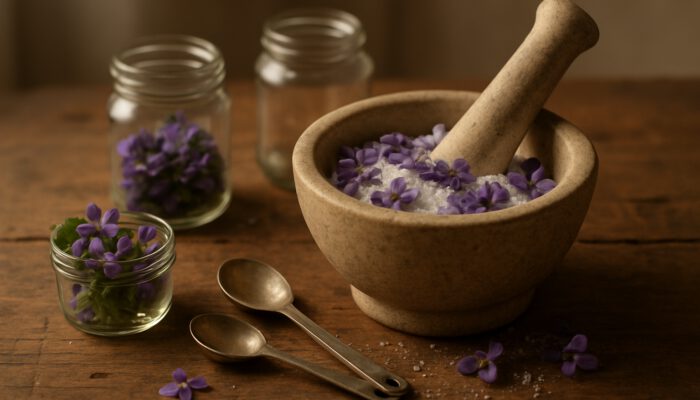
Before embarking on the enjoyable journey of making traditional violet sugar, gather all necessary tools. Clean jars are essential for preserving your final product, while precise measuring spoons ensure accurate ingredient ratios. A mortar and pestle is crucial for crushing violets, allowing their fragrant essence to blend seamlessly with the sugar. Having these tools on hand will enhance your culinary process and make your time in the kitchen more enjoyable.
Equally important is how you arrange your workspace. Keep your tools and ingredients organised and within easy reach, which will save you time and prevent spills or accidents. A well-organised kitchen fosters a successful infusion process, transforming your culinary activity into a satisfying experience.
What Characteristics Define an Effective Culinary Workspace?
Selecting a clean, flat surface with adequate lighting is vital for your violet sugar preparation. A tidy environment promotes hygiene, ensuring the delicate flavours of the violets remain intact. Proper lighting allows for detailed inspection of your ingredients, making it easy to identify any imperfections in the petals.
Temperature is another crucial factor. A cool space is best for preserving the integrity of the violets and sugar during infusion. Avoid placing your work area near heat sources or in direct sunlight, as these conditions can compromise the delicate flavours and aromas you aim to achieve.
How to Efficiently Organise Your Culinary Supplies
Enhance your efficiency by arranging all required items within reach before you begin. This should include your jars, measuring spoons, mortar and pestle, and, most importantly, your violets. Keeping everything organised minimises unnecessary movement and allows you to concentrate fully on the task.
Utilising small containers for each ingredient can help maintain a tidy workspace and facilitate quick access. By preparing your supplies in advance, you can maintain a steady pace throughout the infusion steps, leading to a smoother and more enjoyable experience.
How to Cultivate a Focused Culinary Atmosphere
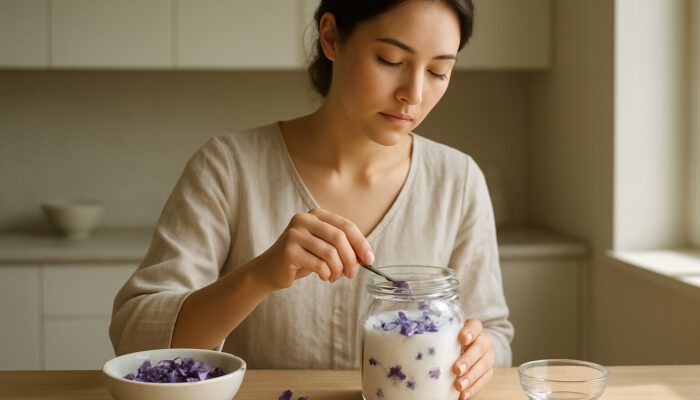
Creating a calm and distraction-free environment is crucial for maintaining your focus while preparing violet sugar. Turn off any distracting devices, including televisions and phones, and inform others that you need uninterrupted time in the kitchen. This focused mindset will help you stick to precise measurements and procedures essential for a successful infusion.
If complete silence feels uncomfortable, consider playing soft music or ambient sounds. This can enhance your concentration without becoming a distraction. By minimising interruptions, you can immerse yourself in the process, ensuring that every detail is attended to and that the final product meets the highest standards.
What are the Best Practices for Selecting Violets for Infusion?
How to Identify Fresh and Vibrant Blooms
Choosing vibrant, fresh violets is essential for optimal flavour extraction in your sugar. Look for petals that are free from blemishes and display a rich, deep colour. Fresh blooms not only enhance the visual appeal of your sugar but also contribute to a more intense aroma and flavour.
Inspect the violets closely to ensure they are free from wilting or decay. Freshness is critical for achieving the best results, so whenever possible, source your violets from a local market or garden. This practice supports local growers and guarantees that you are obtaining the freshest ingredients available.
What are Sustainable Methods for Sourcing Violets?
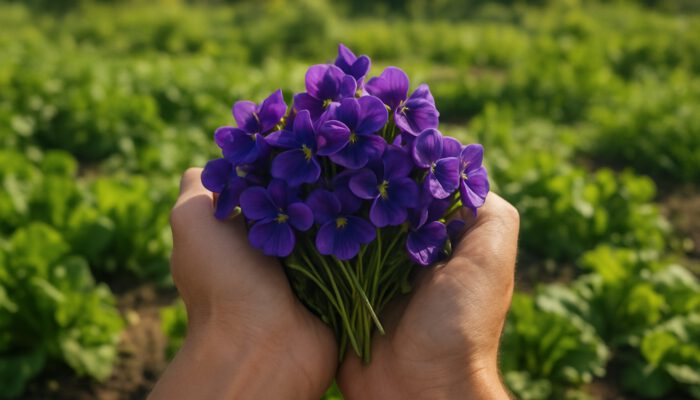
When selecting violets, prioritise sourcing them from ethical and sustainable growers. This choice supports environmentally friendly practices and ensures that the flowers are free from harmful pesticides and chemicals. Seek out local organic farms or flower markets that prioritise sustainability in their cultivation methods.
Choosing sustainable options contributes to a healthier planet while ensuring the purity and flavour quality of your violet sugar. Many growers are happy to share their practices, so don’t hesitate to inquire about how the flowers are cultivated. This knowledge can deepen your appreciation for the ingredients you use.
How to Verify Quality and Purity Standards for Violets
To maintain the delicate properties of violets during the sugar blending stage, confirming their purity is essential. Ensure that the violets you select are clean and untreated, free from any chemical residues that could compromise the flavour of your sugar.
When purchasing from a shop or market, ask about the growing conditions and any treatments used on the flowers. If you have access to home-grown violets, this is often the best option, as you can ensure they are free from chemicals. Clean and pure violets are the foundation of high-quality violet sugar.
What Ingredients Can Enhance the Flavour of Violet Sugar?
How to Choose the Ideal Sugar for Infusion
Selecting fine granulated sugar is crucial for creating classic violet sugar. This type of sugar dissolves evenly, effectively capturing the essence of the violets. The fine texture also ensures a smooth blend, enhancing your experience when using the sugar in various recipes.
Avoid coarse or raw sugars, as these may not dissolve properly and can result in a grainy texture. If you’re feeling adventurous, consider using organic cane sugar for a distinct flavour profile. The choice of sugar significantly impacts the final taste, so choose wisely to achieve the best results.
What Optional Enhancers Can Add Depth to Your Violet Sugar?
Incorporating optional enhancers can elevate the flavour profile of your violet sugar. Consider adding a hint of vanilla or a touch of citrus zest, such as lemon or orange, to complement the floral notes without overpowering them. These additions can create a more complex and enjoyable taste experience.
When blending enhancers, use them sparingly to maintain a delicate balance of flavours. Start with small amounts and taste as you go, adjusting based on your preferences. This approach allows you to create a custom blend that highlights the natural beauty of the violets while adding complexity to the overall flavour.
How to Achieve the Perfect Balance of Ingredients
Establishing the right proportions of ingredients is vital for crafting delicious violet sugar. Carefully measure your violets and sugar, as an imbalance can affect the taste. A common starting ratio is one part violets to three parts sugar, but feel free to adjust according to your taste preferences.
Keep in mind that the sweetness of the sugar should enhance rather than overshadow the natural violet flavour. Taste your mixture as you go, making small adjustments until you find the ideal balance. This attention to detail ensures that your final product is both delightful and aromatic.
Expert Tips for Crafting Classic Violet Sugar at Home
Essential Preparation Steps
Timing the infusion period is crucial for maximising scent retention and achieving balanced sweetness. Allow the violets to steep in the sugar for at least 24 hours; for a more robust flavour, consider extending this to 48 hours. This duration allows the sugar to absorb the delicate essence of the violets thoroughly.
During this time, taste the mixture periodically to monitor flavour development. If the aroma and taste reach your desired strength, you can move on to the next steps. This careful approach ensures your violet sugar is rich in flavour and aroma, making it a standout ingredient in your culinary creations.
Advanced Techniques for Effective Infusion
To ensure even flavour distribution throughout the sugar crystals, consider layering the ingredients during the infusion. Begin by placing a layer of sugar at the bottom of your jar, followed by a layer of violets, and continue this pattern until all ingredients are used. This method allows the sugar to absorb the floral essence more uniformly.
After layering, seal the container tightly to prevent moisture loss and allow the flavours to meld. Regularly check the mixture and gently shake the jar to redistribute the layers. This technique not only enhances flavour but also results in a visually appealing product with vibrant colours.
How to Implement Quality Control in Your Process
Testing small samples of your violet sugar is essential for refining the recipe before scaling up production. Start with a small batch to experiment with different ratios and infusion times. This approach allows for adjustments without committing to a large quantity.
Once you’re satisfied with the flavour, document your process for future reference. Keeping track of your measurements and methods will help you replicate your success in subsequent batches. Quality control is vital for perfecting your violet sugar and ensuring consistent results.
Methods for Drying and Infusing Violets
How to Effectively Air Dry Violet Petals
To retain the colour and fragrance of your violets, spread the flowers out in a single layer away from direct light. This technique allows the petals to air dry effectively over several days, preserving their delicate properties. Ensure they are placed in a well-ventilated area to prevent mould growth.
Monitor the drying process closely, checking the petals regularly for any signs of wilting or decay. Once they are completely dry, they will be ready for the infusion stage. Proper air drying is crucial for maintaining the quality of your violet sugar, ensuring a vibrant and aromatic final product.
How to Layer Sugar and Flowers for Optimal Infusion
Layering sugar and flowers in a sealed container is a highly effective method for creating violet sugar. Start by adding a layer of sugar at the bottom, followed by a layer of dried violets. Repeat this process until all ingredients are used, ensuring that the sugar completely covers the flowers.
This technique allows the essence of the violets to gradually infuse into the sugar, resulting in a consistent flavour throughout. Seal the container tightly to prevent moisture loss, and store it in a cool, dark place. This method enhances flavour and creates a visually stunning product with vibrant colours.
How to Monitor the Infusion Progress
Regularly checking the infusion progress is essential for achieving your desired intensity of violet flavour. Open the container periodically to assess the aroma strength and taste the sugar to evaluate flavour development. Depending on your preferences, you may want to adjust the infusion duration accordingly.
If the aroma is not as strong as you desire, consider extending the infusion time. Conversely, if the flavour becomes too intense, you can remove the violets early. This careful monitoring ensures that your final product meets your expectations and beautifully showcases the delicate nature of the violets.
How to Effectively Sun Dry Petals Outdoors
Sun drying petals outdoors can efficiently speed up moisture removal while preserving delicate flavours. Place the petals on trays in a sunny, well-ventilated area during warm days. Ensure they are protected from insects and excessive heat, which can compromise their quality.
Rotate the trays occasionally to encourage even drying. Once the petals are completely dry, they will be ready for use in your violet sugar. This method enhances the efficiency of the drying process and adds a natural sun-kissed aroma to your final product.
How Does the Colour Change During Infusion?
Understanding Natural Pigment Release
As the violets infuse into the sugar, the natural pigments from the petals gradually colour the sugar, creating a subtle purple hue. This colour development visually indicates the infusion process and adds an appealing aesthetic to your homemade creation.
The intensity of the colour deepens over time, reflecting the strength of the infusion. This gradual transformation is a beautiful aspect of making violet sugar, showcasing how simple ingredients can evolve into a vibrant culinary delight.
What Factors Influence the Depth of Colour?
Humidity and light exposure significantly affect how vividly the colour develops during storage. High humidity can cause the sugar to clump, potentially hindering colour development. Conversely, exposure to direct light can fade the vibrant hues, diminishing the visual appeal of your sugar.
To maintain colour integrity, store your violet sugar in a cool, dark place. Using opaque jars can also help protect the sugar from light exposure. By controlling these factors, you can ensure that your homemade creation retains its beautiful colour and aromatic qualities.
How to Prevent Discolouration Issues
To preserve the attractive visual quality of your homemade violet sugar, store it away from heat sources and direct sunlight. Heat can cause the delicate flavours and colours to degrade over time, leading to a less appealing product.
Consider using airtight containers to keep moisture and air at bay, which can also contribute to discolouration. Proper storage is crucial for preserving the vibrant colours and aromatic qualities of your sugar, ensuring it remains a beautiful addition to your culinary repertoire.
Research-Backed Benefits of Making Violet Sugar at Home
Exploring Nutritional Benefits
Violet compounds may impart mild antioxidant properties to your sweetened mixture. These antioxidants can help combat oxidative stress in the body, contributing to overall health. While violet sugar should not be treated as a health supplement, these properties enhance its appeal as a natural flavouring agent.
Incorporating violet sugar into your diet provides a delightful way to enjoy its potential benefits. The natural sweetness, combined with subtle floral notes, makes it a unique addition to various culinary creations, offering both flavour and a touch of wellness.
How to Broaden the Culinary Uses of Violet Sugar
Violet sugar can be seamlessly integrated into a wide range of culinary applications, enhancing desserts, teas, and other recipes. Consider using it as a sweetener in baked goods, such as cakes or cookies, where its floral notes can truly shine.
You can also sprinkle it over fresh fruit or use it to sweeten herbal teas for a unique twist. The versatility of violet sugar makes it a delightful ingredient to experiment with, adding elegance to both sweet and savoury dishes.
What to Know About the Longevity of Storage
When sealed properly, violet sugar can remain fresh for several months. Store it in an airtight container in a cool, dark place to prolong its shelf life. Proper storage not only maintains the flavour and aroma but also preserves the vibrant colour of your creation.
Consider labelling your jars with the date of preparation to keep track of freshness. This practice ensures that you enjoy your violet sugar at its best, allowing you to savour its unique characteristics over time.
Assessing Scientific Evidence
Scientific studies suggest that violet sugar may have therapeutic properties, including potential benefits for supporting immune function and promoting relaxation. While more research is needed to fully understand these effects, the natural compounds found in violets have been linked to various health advantages.
Incorporating violet sugar into your diet can be a delightful way to enjoy these potential benefits. By using it in moderation, you can enhance both your culinary creations and your overall well-being, making it a unique addition to your pantry.
Avoiding Common Mistakes in the Violet Sugar-Making Process
How to Prevent Over-Infusion of Mixtures
One common mistake when making violet sugar is over-infusing the mixture, which can result in bitter notes. It’s essential to adhere closely to recommended timeframes to achieve the desired flavour balance. Taste the mixture periodically to ensure it aligns with your preferences.
If you notice the flavour becoming too intense, consider removing the violets early. This careful monitoring will help you avoid unwanted bitterness and ensure a delightful final product that showcases the natural beauty of the violets.
How to Avoid Incorrect Ingredient Measurements
Using incorrect quantities of violets or sugar can significantly impact the flavour balance and overall appeal of your violet sugar. Too much violet material can overpower the sweetness, while too little may leave the sugar lacking in flavour.
To avoid this mistake, measure your ingredients accurately and consider starting with small batches to experiment with ratios. This approach allows you to refine your recipe without committing to a large quantity, ensuring a well-balanced final product.
Why Hygiene Practices Are Essential
Maintaining hygiene practices is crucial when preparing violet sugar. Always clean your equipment thoroughly to prevent contamination that could spoil the batch. This includes washing your jars, measuring spoons, and mortar and pestle before use.
By prioritising cleanliness, you can ensure that your violet sugar remains pure and free from unwanted flavours. This attention to hygiene will enhance the overall quality of your final product, making it safe and enjoyable to use.
How to Ensure Effective Storage Techniques
Failing to store your violet infusion correctly can lead to rapid degradation of delicate flavours and vibrant colours. Always keep your sugar in an airtight container, away from direct sunlight and heat sources. This practice is essential for maintaining the quality of your homemade creation.
Consider using opaque jars to further protect your sugar from light exposure. By taking these precautions, you can ensure that your violet sugar remains fresh and enjoyable for months to come.
Final Steps for Perfecting Your Homemade Violet Sugar
How to Eliminate Residue for a Smooth Texture
Once your violet sugar has infused to your liking, it’s time to remove any remaining flower pieces. Sieving out the residue will help achieve a smooth texture, making your sugar ready for use or gifting. Use a fine mesh sieve to catch any small particles while allowing the sugar to pass through.
This step is essential for creating a polished final product that showcases the vibrant colour and aroma of the violets. A smooth texture enhances the overall experience when using the sugar in various recipes, making it a delightful addition to your culinary repertoire.
How to Evaluate the Finished Product for Quality
To confirm that the flavour of your violet sugar meets your expectations, sample a small amount before full storage. This tasting will allow you to assess the balance of sweetness and floral notes, ensuring that the final product is just right.
If the flavour is not as strong as desired, consider adjusting your infusion time in future batches. This testing process is crucial for refining your recipe and achieving the perfect balance in your violet sugar, ensuring a delightful experience every time.
What is the Optimal Packaging for Longevity?
After sieving and testing your violet sugar, it’s time to package it for storage. Transfer the sugar into airtight jars, ensuring they are clean and dry to maintain freshness. Clear labelling is also essential, allowing for easy identification and tracking of the preparation date.
If you plan to gift your violet sugar, consider using decorative jars to add a personal touch and enhance the presentation. Proper packaging will help preserve the vibrant colours and aromatic qualities of your sugar, ensuring it remains a delightful addition to your culinary creations.
Frequently Asked Questions
Can any type of violet be used for sugar making?
While many violets are edible, it’s best to use varieties specifically known for culinary purposes, such as sweet violets. Ensure they are free from pesticides and chemicals.
How long does the infusion process typically take?
The infusion process generally takes 24 to 48 hours, depending on how strong you want the violet flavour to be. Taste periodically to find your preferred intensity.
Is it advisable to store violet sugar in the fridge?
It’s best to store violet sugar in a cool, dark place rather than the fridge. Refrigeration can introduce moisture, which may affect the sugar’s texture.
What flavours complement violet sugar well?
Violet sugar pairs beautifully with flavours such as lemon, vanilla, and honey. These additions can enhance its floral notes without overpowering them.
What are some ways to use violet sugar in recipes?
Violet sugar can be used in baking, as a sweetener for teas, or sprinkled over desserts. Its unique flavour adds a lovely touch to various dishes.
Is violet sugar safe for children?
Yes, violet sugar is generally safe for children, provided the violets used are edible and free from chemicals. Always consult with a healthcare provider if unsure.
Can I make violet sugar without drying the petals?
While drying the petals enhances the flavour, you can infuse fresh violets directly into sugar; however, the flavour may be less concentrated.
What is the shelf life of violet sugar?
When stored in an airtight container in a cool, dark place, violet sugar can last for several months. Proper storage is key to maintaining its quality.
Can violet sugar be used in cocktails?
Absolutely! Violet sugar adds a beautiful colour and floral flavour to cocktails, making it a delightful ingredient for mixology.
Are there any health benefits associated with violet sugar?
Violet sugar may contain mild antioxidant properties due to the compounds in violets. While not a health supplement, it can be a lovely addition to a balanced diet.
Explore Our Facebook Profile Now!
The post How to Make a Classic Violet Sugar at Home: Simple Recipe appeared first on https://cookinggods.com
The Article Classic Violet Sugar Recipe: Easy Steps to Make at Home Was Found On https://limitsofstrategy.com
References:
Https://limitsofstrategy.com/classic-violet-sugar-recipe-easy-steps-to-make-at-home/