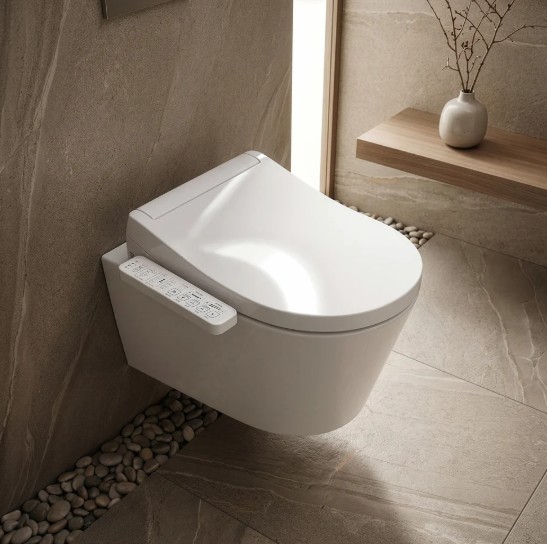
Upgrading to a smart toilet requires careful consideration beyond a simple exchange. Three pivotal factors must be evaluated: the alignment of your waste pipe with the new toilet pan, ensuring adequate water pressure for effective washing, and confirming the availability of sufficient power supply. It is crucial to check these details before making a purchase to facilitate a seamless upgrade.
Here’s a comprehensive assessment guide to help you before investing in a smart toilet.
How to Properly Align Your Toilet Waste for Smart Toilet Installation
The term ‘set out’ refers to the distance from the finished wall to the centre of your waste pipe. Each toilet model has specific installation instructions that outline the necessary set out distance.
These specifications can vary considerably across models, making it essential to consult the details for the specific toilet you are considering. For instance, Argent’s specification sheet for the Evoke wall-faced smart toilet states an S trap set out distance of 130 mm.
This indicates that a toilet suitable for one bathroom may not work in another, even if the waste pipes look similar. To ensure compatibility, measure from the finished wall (including tiles, not just the framing behind) to the centre of your waste pipe. Compare this measurement with the installation guidelines for the exact model you are assessing, instead of relying on a similar model from the same series. If your toilet’s waste line connects to the wall (a P trap), also verify the height specified by the manufacturer for the outlet.
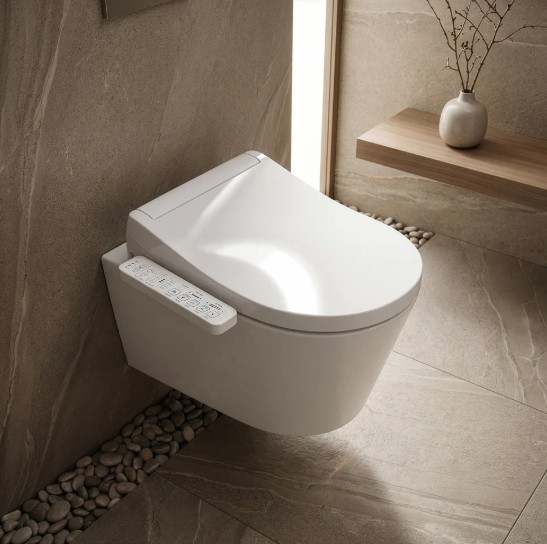
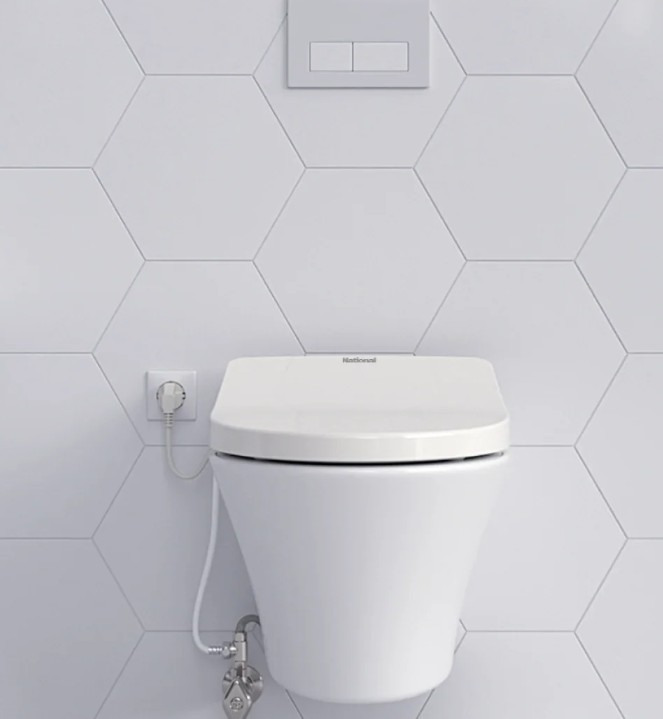
It is equally vital to consider the cistern. Both smart toilets discussed in this guide require an in-wall cistern: Argent’s Evoke specifications highlight this need, while Kohler’s installation drawing for the Veil intelligent toilet shows an in-wall cistern positioned on the floor and studs. This may necessitate opening the wall, so confirm whether your preferred model includes its own cistern or if one needs to be installed separately.
Wall-faced and back-to-wall designs effectively conceal the trap and connections, creating a clean look. This underscores the importance of accurate measurements ahead of installation, as adjustments cannot be easily made afterward.
How to Verify Your Water Pressure for Optimal Smart Toilet Function
The wash function of a smart toilet is dependent on your water supply, and each manufacturer specifies the required pressure range for their toilets. For example, the Kohler Veil drawing outlines that water supply pressure should be between a minimum of 70 kPa and a maximum of 500 kPa. Installing the toilet in accordance with AS/NZS 3500.1, the plumbing and drainage standard, is crucial.
The upper limit is consistent with regulatory standards. The Plumbing Code of Australia (NCC Volume Three, Part B1) sets a maximum static pressure of 500 kPa at discharge points within any building.
Low water pressure is a common issue. If the pressure at your toilet is below the manufacturer’s minimum requirements, it will not operate correctly. Indicators of insufficient water pressure include:
- Weak flow from showers and taps, especially when other taps are in use.
- Your existing toilet cistern takes an extended time to refill.
- Bathrooms on upper floors experience significantly lower pressure compared to those on the ground floor.
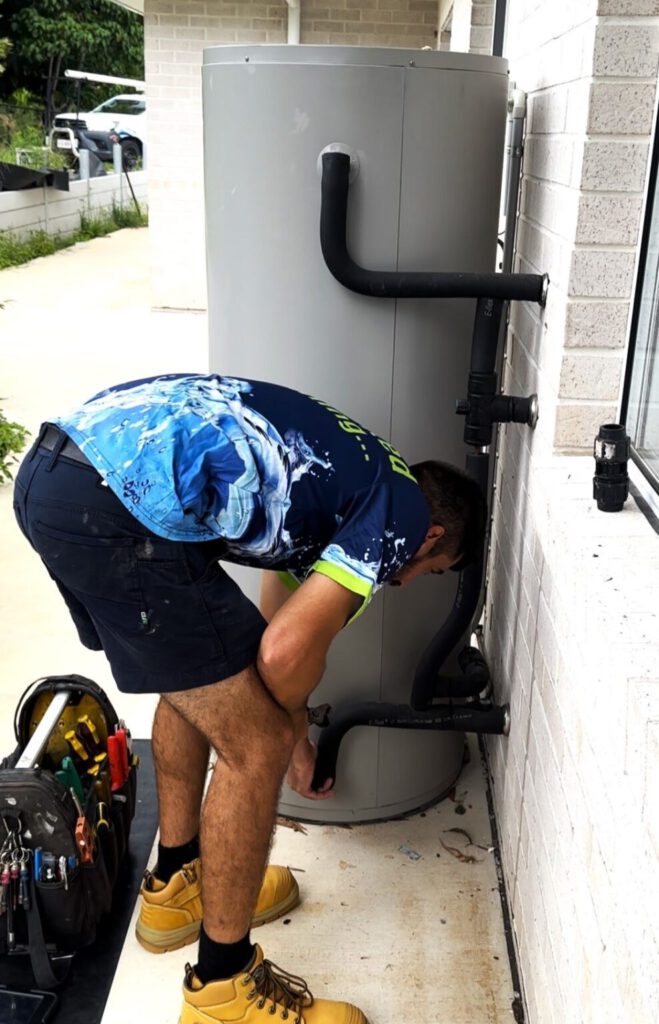
Do not assume your water pressure is adequate. A plumber can accurately measure the supply pressure before you make a purchase, providing clarity on whether the model you are interested in is compatible with your home. While reviewing the manufacturer’s specifications, also take note of the recommended locations for the water connection and stop tap, as they may differ from your current setup.
Understanding the Power Requirements for Smart Toilets: The Need for a Licensed Electrician
Smart toilets function on mains power, and if a suitable power supply is not already available, one will need to be installed.
Manufacturers specify particular power requirements:
- Kohler’s Veil drawing requires a dedicated minimum supply of 10 amps at 220 to 240 volts, complete with earth leakage protection (an ELCB or GFCI).
- Argent’s Evoke specifications call for an electrical rough-in on an isolated 10 amp circuit.
- Verotti’s installation guidelines for its intelligent toilet state that electrical components must be protected by a 10 amp RCD and switch, located outside the bathroom, with connections made inside an IPX4 or superior junction box, complying with AS/NZS 3000 wiring regulations.
In New South Wales, this work must be carried out by a licensed electrician. The NSW Government’s home electrical safety page stresses that all electrical installation tasks should be performed by a qualified electrician. If you are not qualified, do not attempt to install, replace, or relocate power points. Blue Rhino will handle the plumbing aspects of the installation, while a licensed electrician will manage the electrical work.
It is important to plan the installation sequence carefully. Typically, the electrical work should be completed prior to the installation of the new toilet. In cases of wall-faced or back-to-wall pans, the power entry may end up positioned behind or beside the toilet. Ensure that both the electrician and plumber adhere to the same manufacturer’s specifications.
What Repairs to Expect for Floors and Walls When Upgrading Your Toilet
Removing an old toilet may reveal issues that have been hidden for years. Here are some potential challenges you may encounter:
- Tiles that were cut to fit the old pan, which may not be adequately covered by a differently shaped smart toilet.
- Old screw holes in the floor from the previous toilet installation.
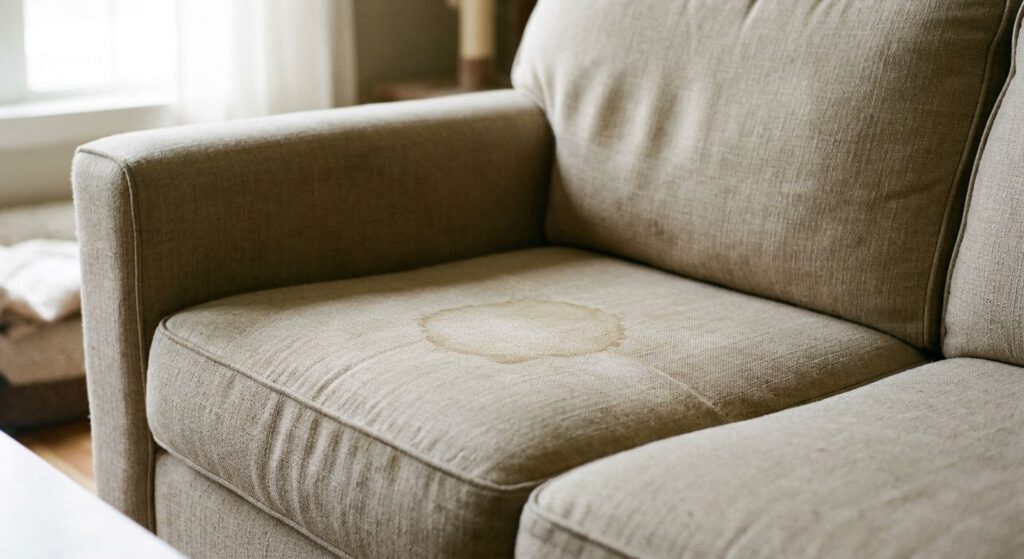
- Discoloured or stained grout or tiles around the area of the old footprint.
- Marks or holes on the wall if the previous toilet had a separate or elevated cistern.
Before making a purchase, compare the footprint of the new toilet with that of the old one using the manufacturer’s drawings. If tiles need patching, check whether you have spare tiles available. Finding a match for older tiles can be difficult, and a visible patch can complicate what might seem like a straightforward replacement.
Should You Retrofit or Renovate? Choosing the Best Approach for Your Smart Toilet Upgrade
If your bathroom is relatively new and has a compatible set out, adequate water pressure, and easily accessible power points, installing a smart toilet with its own cistern can be done without complications.
Alternatively, consider a smaller initial upgrade. A bidet seat can be fitted onto your existing toilet, providing a wash function without the need to replace the pan, as long as your toilet is compatible. You can verify whether a bidet seat will fit your toilet before making a decision.
An upgrade becomes necessary when:
- The waste set out does not align with any preferred models, necessitating repositioning of the pipe.
- The wall needs to be opened to accommodate an in-wall cistern or to provide power, which may result in mismatched tiles.
- You are planning to renovate the bathroom soon.
If two or more of these scenarios apply, it may be wise to incorporate the smart toilet into a broader bathroom renovation, allowing for simultaneous addressing of the floor, walls, and plumbing. Blue Rhino specializes in plumbing and bathroom renovations, enabling you to coordinate the toilet installation alongside overall room enhancements.
If you have a specific brand in mind, our page on Toto toilets provides installation guidance, while our bidet installation page explores seat and bidet options.
Your Comprehensive Checklist for Purchasing a Smart Toilet
Bring this checklist with you when shopping for a smart toilet and share it with your installer:
- Measure the set out distance from the finished wall to the centre of the waste pipe, noting whether it is an S trap (floor) or P trap (wall).
- Obtain the installation instructions for the specific model and ensure its set out aligns with your measurements.
- Identify the manufacturer’s water pressure requirements and have the pressure at your toilet assessed.
- Confirm whether the model requires an in-wall cistern and determine where the manufacturer recommends positioning the water connection and power entry.
- Schedule a licensed electrician to install the necessary power point or dedicated circuit.
- Compare the footprint of the new toilet with that of the old one, and check for spare tiles.
- Consider whether a bidet seat on your existing toilet would meet your needs.
Frequently Asked Questions About Smart Toilets
Is a power point necessary for a smart toilet?
Yes, smart toilets require mains power, and manufacturers specify the necessary requirements. Kohler’s Veil drawing requests a dedicated 10 amp supply with earth leakage protection, while Argent’s Evoke specifications require an isolated 10 amp circuit. The NSW Government mandates that all electrical installation work be performed by a licensed electrician, so ensure to include one in your planning.
Will a smart toilet fit in the same space as my previous toilet?
That depends on your set out, which measures the distance from the finished wall to the centre of the waste pipe, as well as the configuration of the cistern. Argent specifies a 130 mm set out for its Evoke wall-faced smart toilet, and both smart toilets referenced in this guide necessitate an in-wall cistern, which will require wall modification. Measure your existing setup and consult the specific model’s installation instructions before making a purchase.
What water pressure is required for a smart toilet?
Each manufacturer provides a specified pressure range. Kohler indicates a requirement of 70 kPa to 500 kPa for its Veil intelligent toilet, while the Plumbing Code of Australia restricts static pressure inside a building to 500 kPa. If your taps and showers exhibit weak flow, have the pressure evaluated before purchasing to ensure the toilet functions within the intended range.
Can I keep my existing toilet and simply add a bidet seat?
In many cases, you can, provided your toilet is compatible. A bidet seat replaces the existing seat and introduces a wash function without the need to purchase a new toilet. This setup still requires a water connection, and an electric seat necessitates nearby power. Our guide on assessing bidet seat compatibility with your toilet outlines the necessary checks to make before buying.
Consult Blue Rhino Before Committing to a Smart Toilet Purchase
If you are considering the purchase of a smart toilet, contact Blue Rhino Plumbing before making a decision. Located around Ryde and servicing Sydney, we can assess your set out and water pressure, helping you determine whether it’s a simple replacement or the first step in a larger bathroom renovation.
Original Article First Published At: Switching to a Smart Toilet: What Changes in Your Bathroom Before It Works
The Article: Smart Toilet: Transforming Your Bathroom Experience first appeared on https://writebuff.com
The post Smart Toilet: Revolutionising Your Bathroom Experience appeared first on Limits Of Strategy.