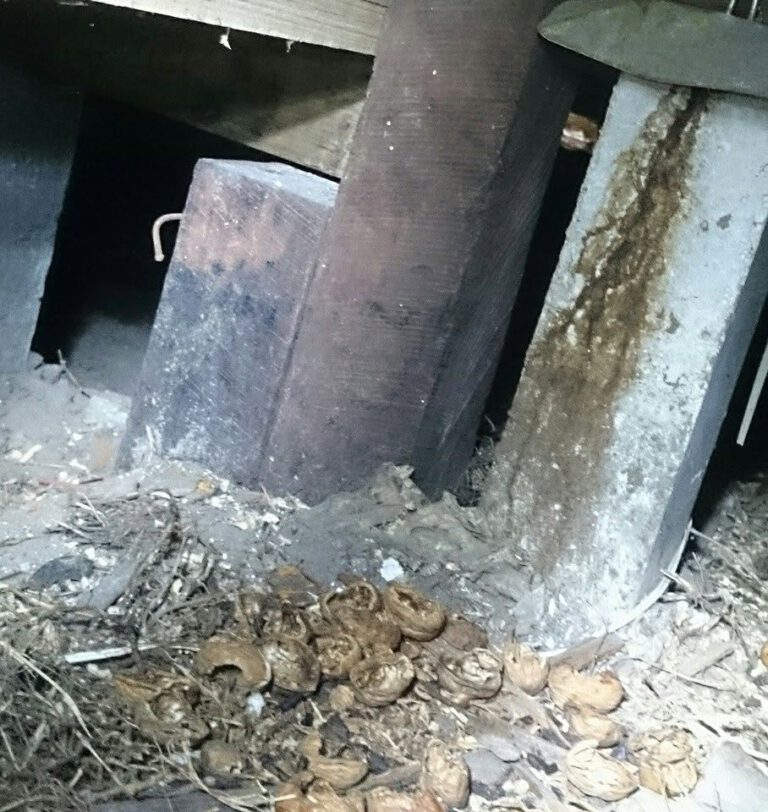
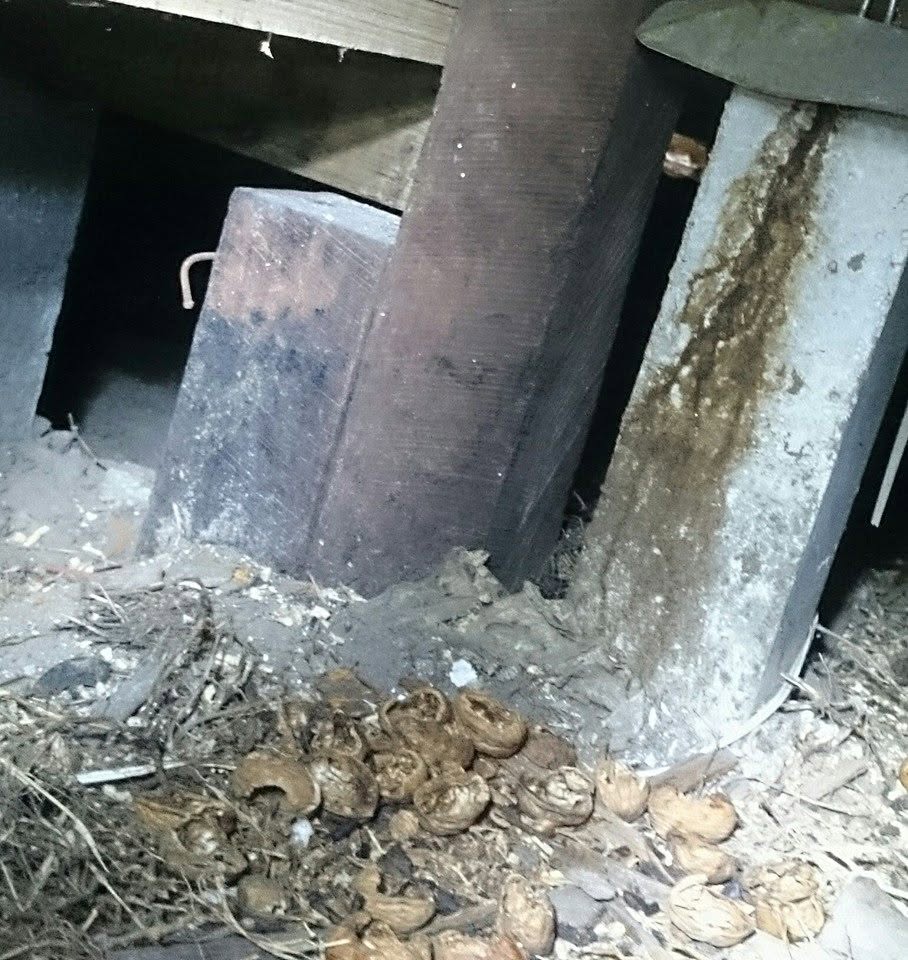
If you hear scratching sounds coming from beneath your kitchen floor at night, it is likely that the rodents are not actually in the kitchen. In older homes elevated on stumps with timber flooring and a void beneath, this space is often where the rats have made their nests.
The noises travel through the floorboards while the rats remain concealed below. This article will explain what is occurring beneath your home, the signs to look out for, and effective methods for rodent removal.
Which Rodent Species Are Commonly Found Nesting Under Stump-Style Houses?
Typically, the main culprits are rats, though mice may also be present. The dark, dry, and sheltered environment beneath a raised timber floor provides an ideal habitat for these rodents. The City of Casey aptly summarises their attraction to warmth, shelter, food, and water.
According to Boroondara Council, burrows beneath buildings are a significant sign of rodent presence on a property. It adds that rats and mice frequently travel along walls, using the same paths to access food. The bearers and joists—timber beams that support the floor—offer edges for the rodents to navigate in a similar manner.
The species of rat you encounter can influence their entry points. As noted on our rodent control page, Norway rats typically enter at ground level, while roof rats are accomplished climbers. The Victorian Department of Health categorises Norway rats as skilled diggers, primarily active during nighttime, making the soil beneath a raised floor particularly suitable for them.
How Can You Identify Signs of Rodents Beneath Your Home from Inside?
Most individuals first notice rodent activity beneath their homes from within. Here are crucial signs to keep an eye on:
- Scratching Noises: Boroondara Council highlights that scratching, squeaking, clawing, and gnawing sounds are clear indicators of rodent activity. These sounds are often heard through the floorboards, especially at night.
- Droppings Along Skirting Boards: The Department of Health describes Norway rat droppings as resembling bananas or sausages. Finding these droppings along skirting boards or beneath the sink indicates that rats are coming up from below.
- Unusual Behaviour from Pets: The City of Casey notes that pets displaying increased excitement may suggest rodent activity. If a dog is intensely sniffing a particular spot on the floor or a cat is fixated on a floor vent, take notice.
- Decreased Pet Food Supplies: Casey also states that a pet food bowl that appears significantly emptier in the morning may indicate a visitor is coming up at night.
- Holes at the Base of Walls: The Department of Health advises that holes created by rats typically measure around 80 mm across and may indicate the presence of nests. Inspect the base of external walls and around pipes where they penetrate the floor.
Not every noise you hear beneath the floor is caused by rats. Possums and birds can also find their way under a house, and droppings can quickly help identify the source. If you are unsure whether you are dealing with rats or mice, our article on five distinguishing signs will assist, or simply send us a photo of the droppings when you reach out.
How Does Winter Influence Rat Activity Beneath Houses?
As temperatures drop, rats seek warmer shelter, as outlined on our rodent control page. Our mice control page explains that mice tend to migrate indoors as Melbourne’s weather cools. The space under the house often becomes the first warm and dry refuge they encounter.
This area is protected from wind and rain and is directly beneath the rooms where people cook, eat, and stay warm. At night, it remains quiet, making it an ideal winter haven for rats.
If your home has ducted heating running beneath the floor, this creates an additional warm pathway for rodents. Our article on ducted heating and winter rodent activity provides insights on what to observe around the vents.
Why Are Kitchen Repairs Insufficient for Eliminating Rats Under the Floor?
Many homeowners initiate their pest control efforts in the kitchen. They may set traps under the sink, seal gaps behind the dishwasher, and tidy the pantry. While these actions are beneficial, they often neglect the rats nesting beneath the floor.
The entry points used by rats are usually located below the floor line. Pipes and cables run from beneath the house up through the floor, creating gaps that serve as access points. Boroondara Council recommends sealing gaps and holes around pipework, emphasising that mice can enter through even smaller openings than rats. The Department of Health indicates that mice can squeeze through gaps as small as 8 mm.
If rats are nesting under the house, that is where your treatment must be focused.
Sealing gaps too soon can be counterproductive. As stated on our rodent control page, baits should be deployed first to reduce the population, followed by sealing efforts. Closing off entry points while rodents are still inside can trap them.
What Should You Look for When Inspecting for Signs of Rats Under the House from the Outside?
You do not have to crawl beneath your home to search for signs of rats. Most relevant indicators can be observed from your garden. Walk around the exterior and look for the following:
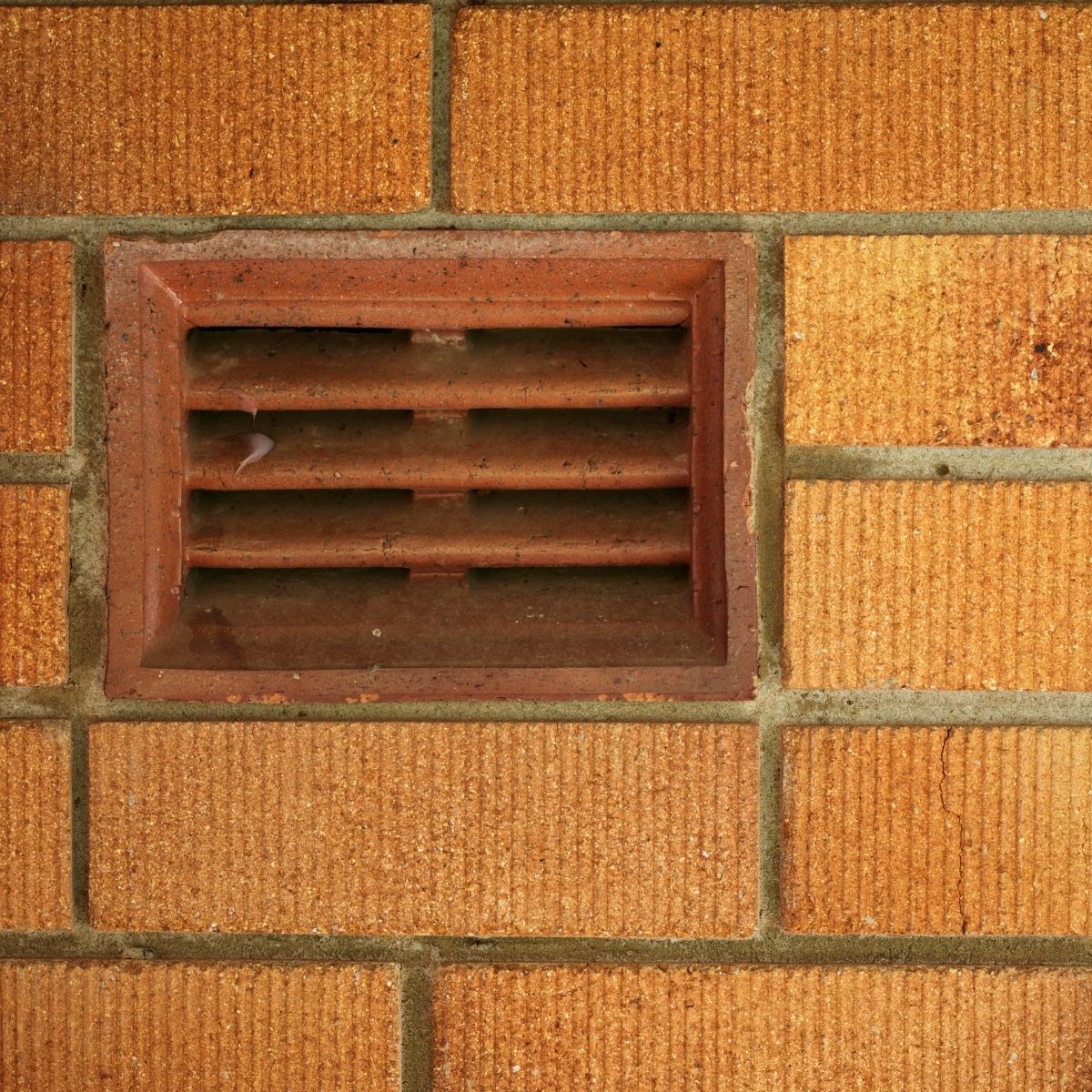
- Subfloor Vents: These vents, located at the base of the walls, allow air to circulate beneath the floor. Check for vent covers that are broken, pushed in, or missing.
- Gaps at the Base of Walls: Look for holes, loose or decayed boards, and gaps where the wall meets the ground.
- Pipes and Cables: Inspect where these enter the house, especially in areas where recent work has been performed by tradespeople.
- Burrows and Runs: The City of Casey identifies burrowing holes around buildings and pathways along fence lines as signs of rodent activity.
- Food and Shelter in the Garden: The Department of Health recommends removing clutter, excess vegetation, food scraps, and potential nesting sites. Woodpiles against the house, fallen fruit, and open compost heaps all provide ample reasons for rats to linger nearby.
Ensure that subfloor vents remain open; the last question below elaborates on why this is crucial.
For further advice on how to rodent-proof your home, refer to our earlier article on the subject.
Effective Strategies for Eliminating Rats Under Your Home
When you contact us, please describe what you are hearing and where, as well as any findings such as droppings or gnaw marks. This information assists us in planning our visit.
Our treatment focuses on the areas where the rats are nesting, as the subfloor is included in our rodent control service. We utilise a range of professional baits and adhere to the latest industry regulations. Each bait is placed in a locked box to ensure the safety of pets and wildlife.
Multiple treatments may be necessary to effectively eradicate the rodent population.
We will seal any accessible gaps during our visit. If your home requires extensive work, such as structural repairs, we will recommend a qualified tradesperson to address those issues. You can view the costs associated with rodent treatments on our pest control prices page.
Rats Under the House: Common Questions Answered
Can Rats Access the House from Below the Floor?
Yes, rats can gain entry from below. Pipes and cables rise through the floor, and the gaps surrounding them provide easy access. Old floorboards and areas around floor vents can also serve as entry points. Mice require minimal space; the Victorian Department of Health notes they can squeeze through openings as small as 8 mm. If you are discovering droppings inside, they are likely originating from below.
Is It Necessary to Crawl Under the House to Check for Rats?
No, you can gather significant information by inspecting the exterior of the house. Examine the subfloor vents, the base of the walls, and the locations where pipes and cables enter the home, as well as the ground along the fence line for burrows and runs. Inside, look for droppings along skirting boards and listen for scratching noises at night. When you schedule a rodent treatment with us, our service includes the subfloor area.
Will Rats Under the House Leave on Their Own?
It is unlikely. As indicated on our rodent control page, rats do not resolve their issues independently, and the longer they are allowed to remain, the more they reproduce, making eradication even more challenging. The Victorian Department of Health reports that a female Norway rat can produce five or six litters annually, with her young able to breed at just three to four months old. Waiting for a quiet period may result in an increased rat population, not a decrease.
Should I Block the Subfloor Vents to Prevent Rat Access?
No, blocking the vents is not advisable. These vents facilitate air circulation beneath the floor, and the Australian Building Codes Board explains that a damp subfloor can lead to timber rot and fungal growth. Keep the vents open. If a vent cover is damaged, displaced, or missing, replace it to ensure it functions correctly and limits rodent access.
Schedule Rodent Control for Rats Under Your Home
If you are hearing scratching noises beneath the floor, it is wise to arrange for treatment promptly, as rats breed quickly, and early intervention is more effective. Let us know what you are hearing and your suburb, and we will guide you through the rodent treatment process for your home.
Contact us at 1300 737 821 or book your rodent treatment online.
Original Article First Published At: Rats Under the House: Why Older Melbourne Homes on Stumps Hide the Real Problem
The Article: Rats Under the House: The Hidden Issue in Melbourne’s Stump Homes first appeared on https://writebuff.com
The post Rats Under the House: Uncovering Melbourne’s Stump Home Problem appeared first on Limits Of Strategy.
References:
Rats Under the House: Uncovering Melbourne’s Stump Home Problem