How to Select the Optimal Format for Engaging and Impactful Tutorials
Essential Steps for Effective Strategic Planning

Thorough planning forms the backbone of impactful video tutorials. A clearly defined strategy allows you to cover all essential product features while ensuring your audience remains engaged. Begin by establishing specific objectives and organising your content in a logical sequence. This structured method facilitates smooth demonstrations, minimising interruptions and distractions, which ultimately enhances viewer retention.
Think about your viewers’ journey throughout the tutorial. Each segment should build on the previous one, fostering a comprehensive understanding of the product. By anticipating potential viewer queries and addressing them proactively, you enrich the learning experience, making it more meaningful and encouraging further exploration of the product.
In What Ways Do Scripts Improve Clarity in Tutorials?
Developing detailed scripts is crucial for achieving clarity in your video tutorials. A well-crafted script ensures a steady pace, enabling thorough coverage of every critical aspect of the product during filming. This method produces high-quality content that appeals to a broad audience eager for practical insights.
Scripts help in organising your thoughts, which is particularly beneficial when explaining intricate features. By focusing on one topic at a time, you can present information in an easily digestible format, allowing viewers to fully grasp how to utilise the product.
What Factors Should You Consider When Choosing the Right Visual Style for Your Audience?
Selecting an appropriate visual style is essential for meeting audience expectations and enhancing understanding. Clean, well-organised layouts that effectively highlight product details can significantly improve viewer comprehension. Avoid clutter that may confuse viewers trying to follow each step in sequence.
Consider adopting consistent colour schemes and typography that reflect your brand identity. This approach not only creates a cohesive look but also boosts brand recognition. By prioritising clarity in your visual presentation, you create a smoother learning experience for your audience, making it easier for them to grasp the product’s features.
What Tools and Equipment Will Elevate Your Tutorials?

How to Set Up Cameras and Lighting for Best Results
Choosing the right equipment is vital for producing professional-quality videos that effectively showcase products. Investing in a high-quality camera and an appropriate lighting setup can attract more viewers interested in detailed demonstrations of the product’s features and benefits. High-definition video quality significantly enhances the viewer’s experience.
Utilising softbox lights or ring lights can help eliminate shadows and ensure that your product is well-lit from all angles. This not only enhances visual appeal but also accurately represents colours and textures, which can influence potential buyers’ decisions. A well-illuminated video can greatly boost viewer engagement.
What Software Options Should You Explore for Seamless Editing?
Investigating various recording programs is essential for creators to find solutions that simplify editing and produce high-resolution output. Popular software options such as Camtasia, OBS Studio, and Adobe Premiere Pro offer unique features tailored to different needs, ranging from basic screen recordings to advanced editing capabilities.
Selecting the right software can optimise your workflow, allowing you to concentrate more on content creation rather than technical challenges. Look for programs that feature user-friendly interfaces and strong support communities, enabling you to resolve issues quickly and effectively, ensuring your tutorials remain engaging and informative.
How to Achieve Superior Audio Quality for Increased Engagement
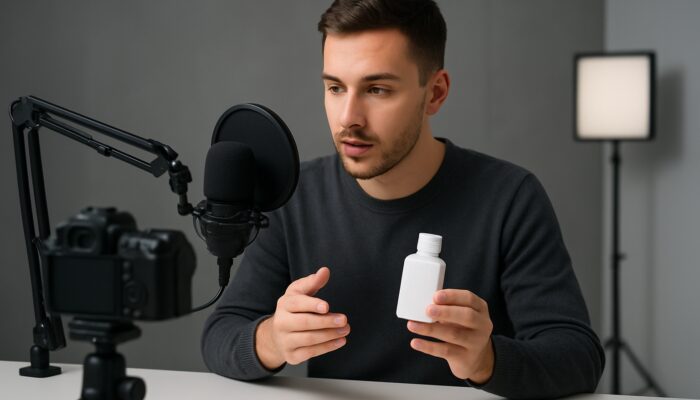
Clear audio recording is essential for effective video tutorials. It prevents misunderstandings during explanations, ensuring your audience receives precise instructions on how to use the product. Investing in a high-quality microphone can have a significant impact on the overall experience, as poor audio quality often leads to viewer frustration and disengagement.
During recording, consider using pop filters and windshields to minimise background noise and enhance voice clarity. Focusing on audio quality allows viewers to concentrate on the content without distractions, creating a more effective learning environment. Remember, audio quality is just as important as visual quality when producing engaging tutorials.
How to Implement Reliable Storage and Backup Solutions
Reliable storage devices are critical for safeguarding all recorded footage and edited videos. Using external hard drives and cloud storage solutions ensures that your content is securely backed up and easily accessible for future updates or uploads across multiple platforms. Data loss can pose significant challenges in the content creation process.
Establishing a systematic storage strategy, including regular backups, can save you time and stress in the long run. This allows you to focus on generating new content instead of worrying about lost files. A solid backup plan is a vital component of a successful video production workflow.
How Can Visual Elements Transform Product Demonstrations?
What Effective Animation Techniques Can You Utilise?
Animations are powerful tools for highlighting specific functions and simplifying complex processes. By breaking down intricate tasks into clear, visual segments, viewers can replicate actions after watching the entire tutorial sequence. This method enhances comprehension and information retention.
Consider incorporating animations to emphasise key features or illustrate concepts that may be challenging to convey verbally. This strategy not only makes the tutorial more engaging but also accommodates various learning styles, ensuring that visual learners can absorb information effectively and apply it practically.
What Techniques Ensure High-Quality Screen Captures?
High-quality screen recordings are crucial for accurately capturing every click and menu navigation. This technique provides step-by-step visual references that support learning without the need for additional text explanations beyond spoken narration. Screen captures can significantly enhance the overall clarity of your demonstrations.
When using screen capture, ensure that the resolution is sufficiently high to maintain clarity during playback. This attention to detail prevents viewers from missing critical information due to pixelation or blurriness. Effective screen capture techniques can elevate an ordinary tutorial into a dynamic learning experience.
What Are the Benefits of Incorporating Visuals into Your Tutorials?
- Enhances understanding of complex concepts
- Maintains viewer interest
- Illustrates points dynamically
- Boosts information retention
- Caters to diverse learning styles
- Facilitates smoother content navigation
Visual elements are key for maintaining engagement throughout longer videos. By dynamically illustrating points rather than relying solely on verbal descriptions, you create a more compelling narrative that keeps viewers invested in the content. This approach not only enhances understanding but also encourages viewers to explore the product further.
Expert Tips for Creating Video Tutorials Focused on Product Demonstrations
What Are the Best Practices for Lighting Techniques?
Effective lighting is essential for accurately showcasing product textures and colours. Successful tutorials typically feature products in well-lit settings that highlight their characteristics. For example, technology gadgets benefit from soft, diffused lighting that reduces glare and shadows, allowing viewers to appreciate details that influence their purchasing decisions.
Real-life examples, such as makeup tutorials or cooking demonstrations, illustrate how effective lighting can enhance viewers’ experiences. By prioritising lighting setups that accurately reflect the product, creators can significantly improve viewer satisfaction and usability, resulting in higher conversion rates.
How to Create Effective Scripts?
Experts recommend dividing scripts into concise segments that focus on one feature at a time. This method promotes natural delivery and allows for easier revisions based on feedback gathered from test audiences during production. Short, focused segments help maintain viewer engagement and facilitate better understanding.
Incorporating audience feedback into your scripting process can also lead to more relevant and effective tutorials. By understanding what resonates with your viewers, you can tailor your content to better meet their needs, resulting in a more successful tutorial that drives engagement and satisfaction.
What Best Practices Should You Follow for Tool Integration?
Effectively combining multiple tools requires testing their compatibility beforehand. This step is crucial to avoid technical issues that might disrupt workflow and compromise the professional appearance of the final demonstration video. Ensuring your tools work harmoniously together can save time and improve overall production quality.
Consider using tools known for their integration capabilities, such as OBS Studio for recording and Adobe Premiere for editing. This strategy streamlines your workflow and allows you to focus on creating high-quality content without the stress of technical complications.
Which Equipment Provides Optimal Results for Demos?
How to Evaluate Different Microphone Options?
Various microphones can significantly impact voice clarity during narration. Testing different options ensures that the selected device delivers clear audio that complements visual elements without introducing background noise or distortion. Investing in a quality microphone offers substantial benefits in viewer satisfaction.
Consider using lavalier microphones for hands-free recording or shotgun microphones for focused audio capture. Each type has its advantages, and selecting the right one based on your recording environment can enhance the overall audio quality of your tutorials, making them more enjoyable for viewers.
How to Ensure Stability with Tripods?
Stable support is essential to prevent camera shake and maintain focus on the product throughout recording. A reliable tripod facilitates smooth transitions between angles, effectively showcasing various features from multiple perspectives. This stability is vital for achieving a professional look in your videos.
When choosing a tripod, consider factors such as height adjustability and weight capacity. A well-chosen tripod can greatly enhance the quality of your recordings, allowing you to achieve the desired shots while maintaining stability and clarity.
What Are the Advantages of Investing in Quality Equipment?
- Reduces time spent in post-production
- Elevates overall video quality
- Boosts viewer engagement
- Improves audio and visual clarity
- Streamlines editing processes
Reliable equipment can transform video production. High-quality gear enhances the overall appearance and feel of your tutorials, making the editing process more efficient. This can lead to more appealing tutorials that resonate with potential customers researching products online.
Proven Strategies for Crafting Engaging Video Tutorials for Product Demonstrations
How to Incorporate Real-World Examples for Improved Pacing?
Timing each segment of your tutorial is crucial for maintaining viewer engagement. Real-world examples illustrate how effective pacing can enhance understanding and prevent glossing over important details. By structuring your content to allow for pauses and emphasis, you create a more digestible learning experience.
Consider using visual markers or on-screen prompts to guide viewers throughout the tutorial. This approach not only keeps the audience engaged but also reinforces key points, ensuring that critical information is clearly communicated and retained during the demonstration.
What Are the Best Recommendations for Editing Flows?
Organising clips logically is essential for progressively building knowledge. Experienced creators advise structuring your editing flow to ensure audiences can follow along without losing context or interest during longer tutorial sessions. A well-edited video can significantly improve viewer retention.
Utilising visual cues, such as text overlays or transitions, can help reinforce the narrative and guide viewers through complex topics. By maintaining a clear flow, you enhance the overall learning experience, making it easier for viewers to grasp the product’s functionalities.
What Techniques Should You Use to Test Your Strategies?
Conducting regular reviews of audience feedback is essential for refining your approaches. Analysing which strategies yield the highest engagement and completion rates across various product types enables you to adapt your content effectively. This data-driven approach helps you make informed decisions regarding future tutorials.
Utilise analytics tools to track viewer behaviour and gather insights into what resonates with your audience. By understanding their preferences, you can continually improve your content, ensuring it remains relevant and captivating for your target demographic.
How Can You Incorporate Interactive Q&A Segments?
Integrating opportunities for real-time questions during product demo videos fosters a deeper understanding and connection with the material presented. This approach not only clarifies doubts but also boosts overall engagement levels, resulting in higher completion rates across diverse audience segments. Interactivity can significantly enhance viewer satisfaction.
Consider using live streaming platforms or interactive video tools that allow viewers to submit questions during the tutorial. This not only creates a more engaging experience but also positions you as a responsive creator who values audience input, further building trust and loyalty.
How to Prioritise SEO-Friendly Scripting?
Developing scripts that incorporate relevant keywords and maintain clear structures enhances the discoverability of your tutorial videos. By ensuring potential users can easily find valuable content, you improve their learning experience while expanding your reach. SEO-friendly scripting is a crucial aspect of modern video marketing.
Include keywords naturally throughout your script while maintaining a conversational tone. This balance ensures your content is both engaging and optimised for search engines, helping you attract a larger audience eager to learn about the product features you’re showcasing.
Which Metrics Should You Use to Assess the Effectiveness of Your Tutorials?
Why Is Tracking Viewer Retention Rates Important?
Monitoring watch times reveals which segments engage viewers most effectively. By analysing viewer retention rates, you can identify areas for improvement, allowing you to make necessary adjustments that enhance future tutorials. Understanding viewer behaviour is essential for creating more effective content.
Utilise analytics tools to pinpoint when viewers drop off during your videos. This data provides valuable insights into which parts of your tutorial may be too lengthy or unclear, enabling you to refine your approach and boost viewer engagement in future releases.
How Can You Collect Valuable Feedback?
Gathering comments and survey responses offers insights into viewer needs and highlights areas that require improvement. This feedback loop is critical for enhancing content clarity and presentation style across successive video releases. Engaging with your audience can lead to a more tailored and effective tutorial experience.
Consider implementing post-video surveys or encouraging comments to collect actionable feedback. By actively seeking viewer input, you demonstrate a commitment to quality and responsiveness, which can enhance viewer loyalty and increase the likelihood of repeat views.
What Are the Benefits of Measuring Your Results?
- Facilitates better decision-making
- Enhances resource allocation
- Aligns tutorials with audience preferences
- Improves content quality over time
- Increases viewer satisfaction
Data-driven evaluations are vital for optimising your video tutorials. By measuring results, you can make informed decisions about future projects, ensuring your content aligns closely with audience preferences and learning objectives. This proactive approach leads to continuous improvement and greater viewer engagement.
Final Steps for Publishing Your Video Tutorial
What Are the Best Practices for Cuts and Transitions?
Smooth edits are fundamental for maintaining a professional flow in your video tutorials. By removing errors and unnecessary segments, you can produce a polished final product ready for distribution. This attention to detail can significantly enhance viewer perception of your content.
Use transitions thoughtfully to guide viewers from one segment to another. Well-placed cuts and transitions improve narrative flow, making it easier for viewers to follow along and retain key information. A seamless editing process can elevate the overall quality of your tutorials.
How to Adhere to Platform-Specific Upload Requirements?
Following platform guidelines is crucial for ensuring videos display correctly across various devices. Adhering to specifications for format, resolution, and aspect ratio helps reach your target audience without technical barriers that could hinder accessibility or impact engagement. Each platform has distinct criteria.
Before uploading, ensure your video meets the specifications of platforms like YouTube, Vimeo, or social media sites. This attention to detail guarantees that your content is accessible to a broader audience, maximising its reach and impact in a competitive online landscape.
How to Design Compelling Thumbnail Images?
Attention-grabbing thumbnails are essential for encouraging clicks on your video tutorials. A well-designed thumbnail visually summarises the content and piques curiosity about the product features discussed in the tutorial. This first impression can significantly influence whether viewers choose to engage with your content.
Use bold colours, clear text, and relevant imagery to create striking thumbnails that stand out in crowded feeds. An engaging thumbnail can entice viewers to click and explore your tutorial, ultimately increasing your video’s reach and potential impact.
Frequently Asked Questions
What format works best for video tutorials?
The ideal format for video tutorials typically comprises a clear structure that includes an introduction, main content, and a conclusion. It should engage viewers through visual elements and narration, ensuring that key points are effectively highlighted.
What is the recommended duration for a video tutorial?
Video tutorials should ideally be between 5 to 15 minutes long. This timeframe allows for comprehensive coverage of the topic while retaining viewer engagement without overwhelming them with excessive information.
What essential equipment is required for producing video tutorials?
Key equipment includes a high-quality camera, microphone, tripod, and lighting setup. Screen capture software and video editing tools are also crucial for creating polished tutorials that effectively convey information.
How can I enhance audio quality in my videos?
To improve audio quality, invest in a high-quality microphone, minimise background noise, and consider using pop filters. Recording in a quiet environment and monitoring audio levels can also enhance clarity.
Which software is best suited for editing video tutorials?
Popular software options for editing video tutorials include Adobe Premiere Pro, Final Cut Pro, and Camtasia. Each offers unique features, so choose one that aligns with your editing needs and expertise.
How can I evaluate the success of my video tutorials?
Success can be assessed through viewer retention rates, engagement metrics, and feedback collection. Analysing these factors helps refine future content and enhances overall effectiveness.
Should I use animations in my tutorials?
Yes, animations can enhance understanding by visually breaking down complex processes. They make tutorials more engaging and assist viewers in grasping key concepts more easily.
What tips do you recommend for scripting video tutorials?
While scripting, keep segments brief and focused on one feature at a time. Use clear language and incorporate audience feedback to refine your approach and ensure relevance.
How can I create more appealing thumbnails?
To enhance thumbnail appeal, use bold colours, clear text, and relevant images. Ensure they are visually striking to attract attention and encourage viewers to click on your content.
What advantages come with using high-quality equipment?
Quality equipment enhances video clarity, reduces post-production time, and elevates overall production value. This leads to more engaging tutorials that resonate with viewers and increase their likelihood of making a purchase.
Explore our X profile for more insights!
The Article Creating Video Tutorials for Product Demos: Essential Tips was first published on https://marketing-tutor.com
The Article Video Tutorials for Product Demos: Key Tips You Need Was Found On https://limitsofstrategy.com