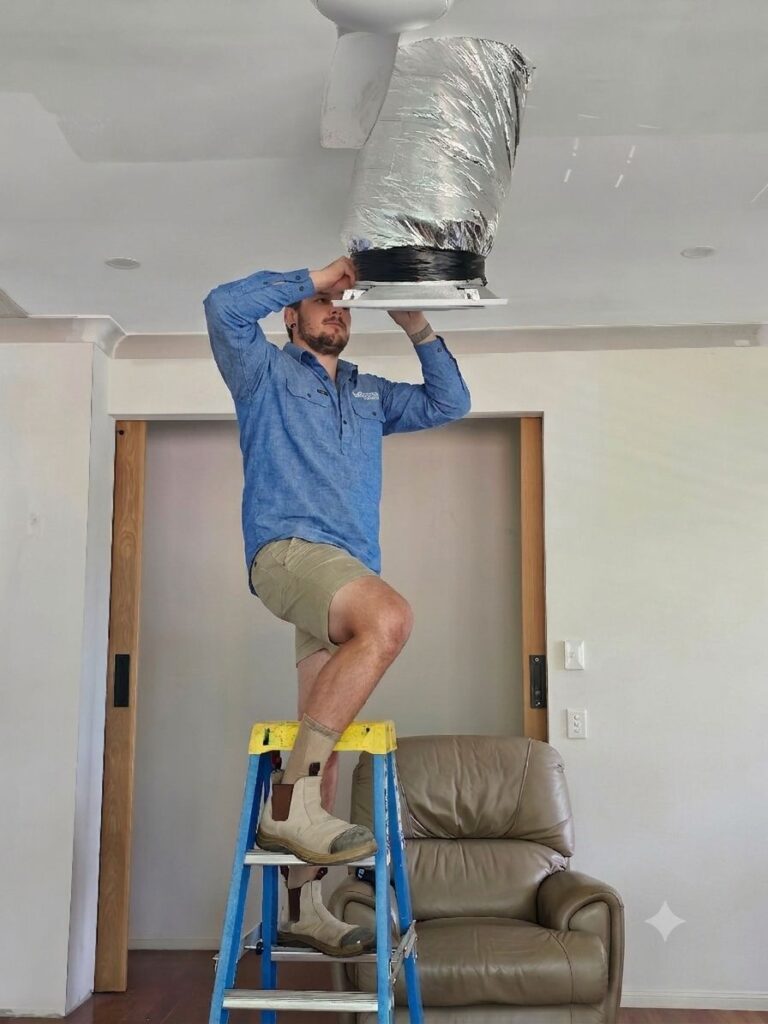
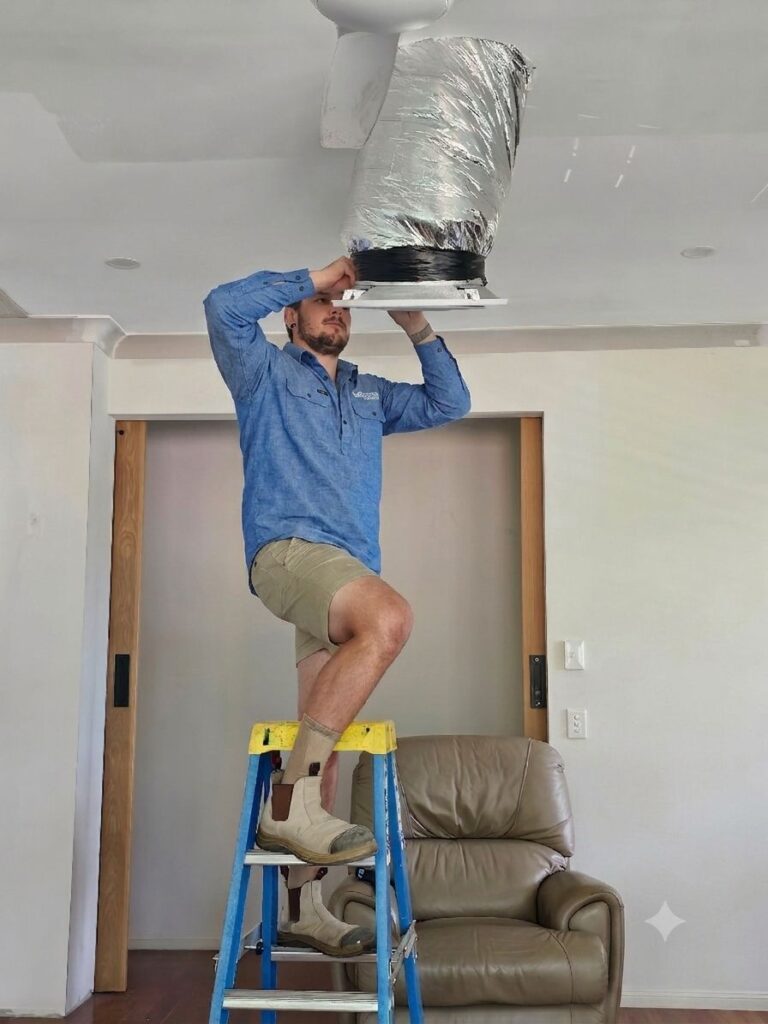
When embarking on a construction project, extension, or a knock-down-rebuild that requires excavation and machinery in proximity to existing buildings, obtaining a dilapidation report is crucial before any ground disturbance takes place. Our extensive experience with inspections across Brisbane reveals a common scenario: after the project is finished, a neighbour spots a crack they believe appeared as a result of your work, leading to misplaced blame.
In summary: A dilapidation report meticulously documents the condition of surrounding properties before construction commences, featuring dated photographs and detailed observations. Should damage claims arise later, this documentation serves as evidence of pre-existing conditions, effectively resolving disputes before they escalate into formal claims.
At Zoom Building & Pest, we are a QBCC-licensed inspection company (QBCC licence 15279880) operating throughout Brisbane and Moreton Bay. Here’s why property owners, builders, and developers prioritise securing a dilapidation report before commencing work, along with protective measures that many overlook until issues emerge.
Key Components of a Dilapidation Report
A dilapidation report provides a comprehensive account of a property’s existing condition prior to any construction or demolition activities. It includes meticulous observations of cracks in walls and ceilings, shifts in slabs, driveways, and paths, as well as the condition of fences and retaining walls. This information is documented through date-stamped photographs and clear notes. For larger projects, the report also encompasses neighbouring properties that may be affected by vibrations from excavation, piling, or heavy machinery. To discover how this documentation can shield you from liability, explore our guide on how a dilapidation report protects your interests.
Reasons Property Owners Secure a Dilapidation Report Before Construction
Preventing Unfounded Damage Claims
Construction activities close to property boundaries almost invariably cause some degree of movement or vibration. Without an initial record, disputes can easily arise, leaving you to defend against your neighbour’s claims. A dilapidation report offers the necessary evidence to demonstrate that a crack existed previously, often diffusing potential conflicts before they escalate into formal claims.
A Common Requirement for Development Approval
Local councils in Brisbane often mandate a dilapidation report as part of the development approval process, especially for projects adjacent to existing structures, shared boundaries, or public infrastructure. Failing to secure this documentation when required can lead to delays in your approval process. It’s prudent to check this requirement early to avoid last-minute rushes.
Minimising Neighbourhood Disputes and Legal Complications
A dilapidation report provides unbiased, dated evidence of your property’s condition. When disagreements arise, a straightforward comparison of before-and-after conditions usually resolves most issues quickly and informally, preventing prolonged disputes that could necessitate QCAT involvement, disrupting your project, and straining your budget.
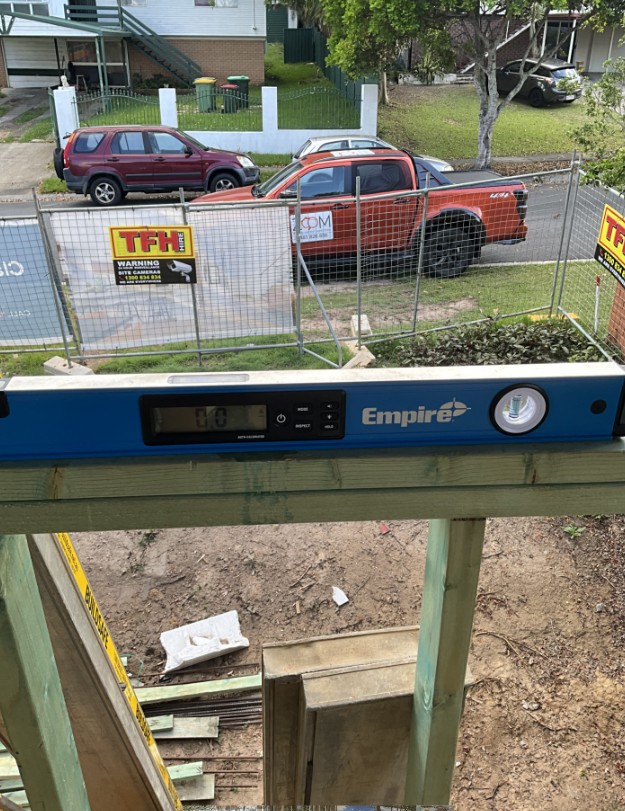
Frequently Overlooked Advantages of Dilapidation Reports
Streamlining Insurance Procedures
Insurance companies assessing a construction project look for evidence of risk management. A dilapidation report demonstrates that you have recorded the conditions of neighbouring properties before commencing work, which can facilitate the process of securing insurance coverage and simplify any future claims.
Safeguarding Resale Value
Should you decide to sell or refinance in the future, having documentation that indicates the project was executed responsibly—with neighbouring conditions thoroughly recorded and no unresolved damage issues—instils confidence in potential buyers or lenders regarding the property’s integrity.
Enhancing Clarity and Confidence for Your Builder
An independent evaluation of the property before work commences ensures that your builder and engineers start from a mutual understanding. This clarity sets expectations from the outset and removes a common source of blame.
Optimal Timing for Obtaining a Dilapidation Report
As a guideline, secure a dilapidation report before engaging in any activities that disturb the ground or shake surrounding structures:
- <a href="https://writebuff.com/dilapidation-reports-essential-for-property-owners-before-construction/">Before excavation or earthworks</a> — Activities such as digging, piling, and bulk earthworks carry the highest risk of causing damage to adjacent properties.
- Before demolition — Even minor vibrations can propagate, making it critical to log nearby buildings prior to any demolition work.
- In narrow or heritage-listed streets — Older buildings and shared walls are subject to stricter scrutiny and regulations.
- When required by council or a developer — If a dilapidation report is a condition of approval, not having one could delay your project.
How Zoom Simplifies the Process of Obtaining a Dilapidation Report
The process is straightforward. You inform us about the project scope and which properties require documentation, and we provide a quote based on the size and complexity of the site. We conduct a thorough inspection, documenting existing conditions in detail, and deliver a written report with photographic evidence. This documentation can be shared with your builder, insurer, or council. With this information on file, you can commence your project with confidence, knowing your position is thoroughly documented. To initiate the process, request a quote or call 0481 826 856.
Common Questions Regarding Dilapidation Reports
Zoom Building & Pest Inspections is owned and operated by Ben Nejad of B N Total Construction Pty Ltd — a QBCC-licensed building and pest inspection company (QBCC licence 15279880) servicing Brisbane and the Moreton Bay region. To arrange an inspection or request a report, call 0481 826 856 or request a quote through our website.
Original Article First Published At: Why Every Property Owner Should Get a Dilapidation Report Before Starting Construction
The Article: Dilapidation Reports: Essential for Property Owners Before Construction first appeared on https://writebuff.com
The Article Dilapidation Reports: Crucial for Property Owners Pre-Construction Was Found On https://limitsofstrategy.com
References:
Https://limitsofstrategy.com/dilapidation-reports-crucial-for-property-owners-pre-construction-2/