One of the most frequent questions posed by homeowners in Melbourne revolves around the transition from evaporative cooling. This traditional cooling method has been a popular choice for many years; however, it struggles to perform effectively in humid weather. Furthermore, it necessitates open windows for proper functioning and fails to provide any warmth during the chilly winter months that Melbourne is known for.
Upgrading to a refrigerated reverse cycle ducted air conditioning system is an effective solution to mitigate these issues. With this advanced system, you can enjoy superior cooling even on the most humid summer days in Melbourne, as well as efficient heating throughout winter. Additionally, it allows you to completely seal your home, enabling effortless control of indoor temperatures—all managed through a single, integrated unit.
This comprehensive guide outlines the transition process, estimated costs, and key factors to consider before you make your decision. Don’t hesitate to contact us today to discuss your evaporative changeover cost and to check your eligibility for the VEU rebate.
What Are the Essential Steps for Transitioning From Evaporative Cooling to Refrigerated Air Conditioning?
The transition from one cooling system to another can often involve more complexity than homeowners initially anticipate. By understanding what this transition entails, you will be empowered to make a well-informed decision regarding your home’s climate control options and ensure optimal comfort throughout the year.
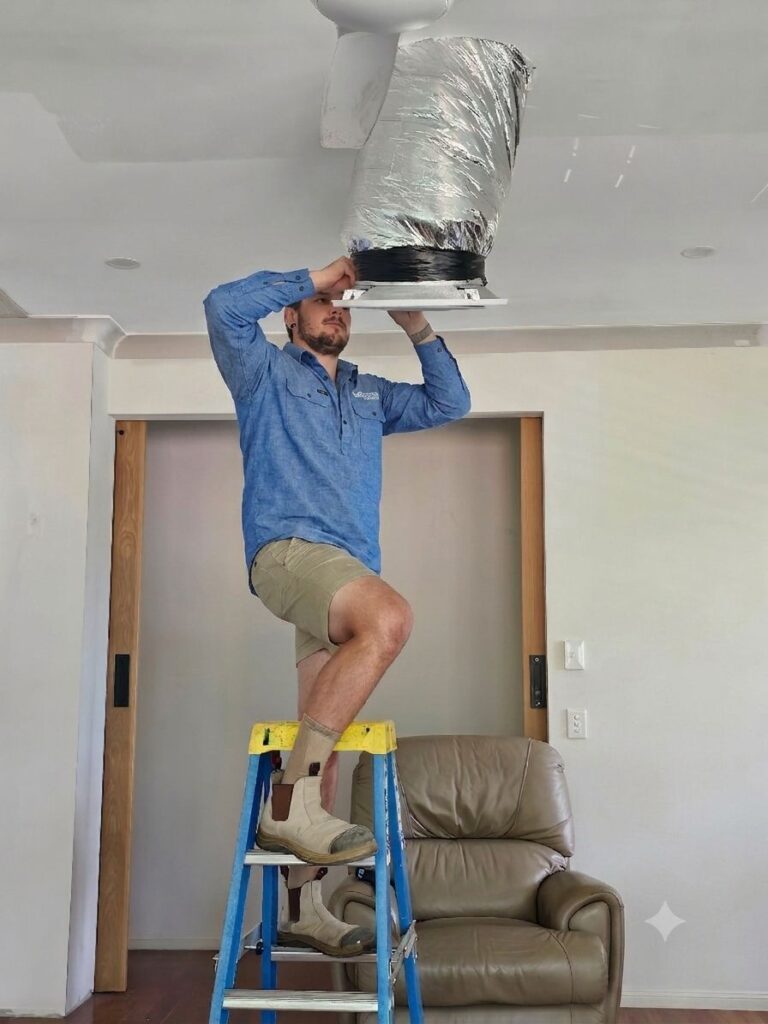
Evaporative coolers are generally installed on the roof and utilise a duct system that differs significantly from that of refrigerated air conditioning. The existing ducts used for evaporative cooling are typically larger and uninsulated, making them incompatible with a new refrigerated setup. As a result, the changeover process involves several crucial steps:
- Removing the existing evaporative unit from the roof and securely sealing the area where it was located to prevent leaks or debris.
- Removing the current evaporative ductwork to clear the way for the new installation.
- Installing new insulated ductwork specifically designed to optimise the efficiency of refrigerated air conditioning systems.
- Positioning both the outdoor and indoor units required for the new reverse cycle system.
- Completing all necessary electrical work to support the new setup, ensuring everything meets safety standards.
Typically, this entire operation requires a full day to complete. However, for larger homes, the process may extend to two days. The end result is a brand-new system designed to provide optimal comfort, rather than merely implementing a temporary fix to the existing infrastructure.
Why Do Numerous Homes in Melbourne Combine Evaporative Cooling with Gas Heating Systems?
Most homes in Melbourne have been designed with two distinct systems: gas ducted heating for the colder winter months and evaporative cooling for the warmer summer months. This dual-system approach effectively caters to the unique climatic requirements of each season, ensuring year-round comfort.
If your home fits this description, you will be pleased to know that it is possible to replace both systems with a single, efficient reverse cycle ducted system during one installation process. Moreover, as you are removing a gas heating appliance, you become eligible for the Victorian government’s VEU rebate. This rebate directly reduces your installation costs, making the transition smoother without the burden of excessive paperwork.
The pricing outlined below reflects this scenario—replacing both your gas ducted heating and evaporative cooling systems with a new reverse cycle system, inclusive of the VEU rebate.
| System Size | Up to | All-in price (incl. VEU rebate & ducting) |
|---|---|---|
| 12.5KW | 6 outlets | From $6,300 |
| 16–17KW | 10 outlets | From $7,300 |
The prices mentioned are all-inclusive and account for every cost—GST, the VEU rebate, removal of old systems, roof patching, and complete installation of new ductwork and grilles. Furthermore, premium systems from reputable brands are available at higher price points. We will guide you through the available options during our comprehensive assessment of your home to ensure you find the best solution.
What Are My Options If My Home Exclusively Uses Evaporative Cooling Without Gas Heating?
If your home solely relies on evaporative cooling and you wish to continue using that system, we can replace your existing unit with a new evaporative system starting from $4,400. However, be aware that no VEU rebate applies in this scenario because evaporative cooling operates on electricity, meaning no gas appliance is being removed, which is a prerequisite for the rebate.
On the other hand, if you are considering an upgrade to a refrigerated reverse cycle system—which offers both heating and cooling throughout the year and operates effectively even in high humidity—we can assist you with that as well. Reach out to us today, and we’ll explore both possibilities tailored specifically to your home’s requirements.
Understanding the VEU Rebate: How It Can Make Your Transition More Affordable
The Victorian Energy Upgrades (VEU) program offers a rebate when you replace a gas heating appliance with a qualifying premium reverse cycle electric system, whether it be ducted or split. This rebate is applied upfront, meaning the prices in the table above already reflect its deduction. You will not need to submit separate claims or wait for a payment; we handle all necessary paperwork on your behalf, allowing for a seamless transition.
To qualify for this rebate, the new system must be highly rated for energy efficiency. Rest assured that every system installed by Beyond meets this essential criterion, ensuring you receive a quality product that benefits both your comfort and your wallet.
For further information, please refer to the VEU rebate information page, which provides more detailed insights into eligibility and benefits.
Why Is Evaporative Cooling Becoming Less Popular Among Homes in Melbourne?
Initially, evaporative cooling systems were designed to excel in dry heat conditions. However, as Melbourne’s summers have increasingly become more humid, these systems have proven to be less effective when cooling is most needed. Additionally, these systems require keeping windows and doors open, which inadvertently allows dust, pollen, and outdoor air to infiltrate your home, thereby compromising indoor air quality.
In contrast, refrigerated reverse cycle air conditioning operates efficiently regardless of humidity levels. This system enables you to keep your home fully sealed while maintaining a controlled indoor temperature, and it also provides reliable heating during winter. Many homeowners who transition to this system often express a desire that they had made the switch sooner, as they enjoy the enhanced comfort and efficiency that their new installation provides.
If you have solar panels installed, you can power your cooling system using solar energy during the summer months. In winter, this arrangement helps keep your home warm during the day when your solar panels generate the most electricity, optimising your energy usage and reducing your overall costs.
Common Questions Regarding the Transition Process
Why can’t the existing evaporative ducts be utilised in the new system?
The existing evaporative ducts are designed to be larger and lack insulation; they are engineered to handle high volumes of air at low pressure. In contrast, refrigerated systems operate differently and require smaller, insulated ductwork to maintain optimal temperatures during the air distribution process. Reusing the old evaporative ducts would result in inefficiencies and significant energy loss. Therefore, installing new ductwork is a crucial aspect of the changeover process.
What happens to the roof opening once the evaporative unit is removed?
As part of the installation process, we will patch the roof opening where the old evaporative unit was located. The unit will be removed, the roof opening will be sealed and weatherproofed, and the new refrigerated system’s outdoor unit will be positioned either at ground level or mounted on a wall bracket, rather than remaining on the roof.
Does the new system provide both heating and cooling functionalities?
Absolutely. This dual functionality is one of the primary reasons many homeowners in Melbourne opt for this upgrade. A reverse cycle ducted system is capable of providing both heating and cooling from the same vents, effectively replacing both gas heating in winter and evaporative cooling in summer with one comprehensive solution that maximises comfort.
Am I eligible for the VEU rebate if my home only has evaporative cooling without gas heating?
No, the VEU rebate is specifically available for the removal of gas heating appliances. If your home is exclusively equipped with evaporative cooling and does not have gas ducted heating, you will not qualify for this rebate. However, we can still provide you with a competitive quote for the changeover—just reach out to us for more information.
How long does the installation process typically take?
In most cases, the changeover process can be completed in a single day; however, larger homes or those with more intricate roof configurations might require an additional day for completion. We will provide you with an estimated timeline during our assessment of your home to ensure transparency and set proper expectations.
Will the new system operate efficiently on humid days when evaporative cooling systems struggle?
Yes, indeed. Refrigerated air conditioning works by extracting heat from the air inside your home, and its efficiency remains unaffected by humidity levels. In fact, it often performs better on humid days compared to dry conditions, which sharply contrasts with the challenges faced by evaporative cooling systems during such weather.
If I have solar panels, will that help lower my running costs?
Absolutely, and significantly so. Summer is the peak production period for solar panels, coinciding with the times when you will be operating your cooling system most heavily. By utilising solar energy to power your air conditioning during the day, you can dramatically reduce your energy expenses. Be sure to inform us about your solar setup when requesting a quote, and we can discuss zoning options that maximise your solar benefits for even greater savings.
The Article: How Much Does It Cost to Change Evaporative Cooling to Refrigerated Air Conditioning? first appeared on https://writebuff.com
The Article Cost of Converting Evaporative Cooling to Refrigerated AC Was Found On https://limitsofstrategy.com