Your Comprehensive Guide to Selecting the Ideal Materials for DIY Catnip Toys
Choosing Resilient Fabrics for Durable Catnip Toys
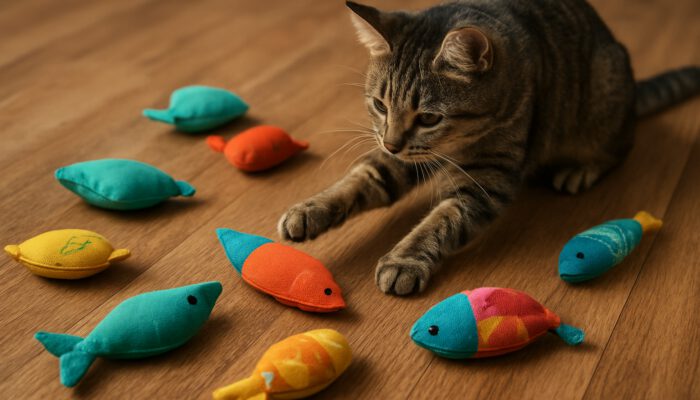
To create DIY catnip toys that endure your cat’s spirited play, selecting sturdy fabrics is crucial. Choose durable natural materials like cotton or canvas. These options not only guarantee longevity but also prioritise safety, as they are less prone to breaking into harmful small pieces during playtime.
Cats can be rough on their toys, so opting for high-quality materials reduces the frequency of replacements. Natural fibres are also less likely to trigger allergic reactions compared to synthetic alternatives, making them a healthier choice for your furry friend. Focus on quality rather than cost; a well-constructed toy can provide endless fun, whereas cheaper options may lead to disappointment and safety concerns.
Design elements are equally vital. Toys that feature stitching or seams should be reinforced to avoid tearing, particularly when filled with enticing catnip. By selecting robust materials, you can craft toys that withstand wear and keep your cat engaged and content.
How to Select Premium Organic Catnip for Optimal Playtime Appeal
Choosing high-quality, organic catnip is key to making effective DIY catnip toys. Fresh and potent catnip provides stimulating sensory experiences for your pet. Look for organic options that are free from pesticides and harmful chemicals to ensure a safe play environment. Seek out reputable suppliers or local retailers that specialise in organic products to guarantee freshness and quality.
The strength of catnip can vary, so it’s wise to smell and inspect it before purchasing. Look for vibrant green colours and a strong, pleasant fragrance. For toy-making, dried catnip is generally the best choice, as it maintains its scent longer, ensuring sustained interest for your feline companion.
Proper storage of catnip is essential. Store it in airtight containers, away from light and heat, to preserve its potency. By sourcing and using high-quality organic catnip, you can enhance the attraction of your DIY toys, ensuring they remain intriguing for prolonged periods.
Which Filling Materials Boost Catnip Toy Effectiveness?
When crafting DIY catnip toys, the type of filling significantly influences their appeal. Safe stuffing materials, such as polyester fiberfill or <a href=”https://elgatoencasa.com/sustainable-toys-for-dogs-eco-friendly-options-for-pets/”>organic cotton</a>, add texture and substance. These options are durable, non-toxic, and provide a satisfying weight for your cat to carry and bat around.
Consider adding crinkle paper or other soft materials that make noise during play. This auditory stimulation can heighten your cat’s interest and encourage active engagement. By experimenting with various fillings, you can design toys that cater to your cat’s individual preferences and play styles.
Avoid materials that can easily break apart, such as foam or small beads, as these can pose choking hazards. By selecting safe and engaging filling options, you create toys that not only entertain but also encourage healthy play behaviours in your cat.
Key Techniques for Crafting DIY Catnip Toys
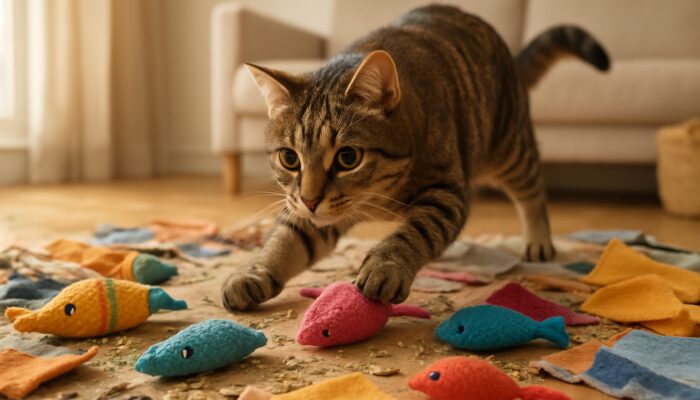
Precision in Cutting and Shaping Toy Patterns
Accurate cutting and shaping are essential for the successful construction of DIY catnip toys. Begin by creating templates for your designs, ensuring that the shapes are balanced and manageable for your cat. Irregular shapes can introduce an element of unpredictability, making the toys more engaging during playtime.
Use sharp scissors or a rotary cutter for clean edges, which contribute to even seams. This precision reduces fraying and helps maintain the toy’s structure, enhancing its longevity. Adding features like tails or ears can increase the toy’s charm and entice your cat to pounce and play.
After cutting your patterns, assemble the toys. Aim to create items that not only look appealing but also perform well during play. A well-made toy rolls, bounces, or wiggles in ways that capture your cat’s interest, providing a more enjoyable experience for both you and your pet.
How to Create Strong and Secure Seams in Your Toys
Durable seams are vital for the longevity of your DIY catnip toys. Whether using a sewing machine or hand-stitching, ensure your seams are tight and secure to prevent stuffing or catnip from escaping. Consider double-stitching for added strength, particularly in areas that may experience more wear during play.
A zigzag stitch offers extra durability and flexibility, allowing the fabric to withstand the rigours of play. Pay special attention to corners and edges, as these areas typically show signs of stress first. By reinforcing these points, you can produce toys that last longer and provide continuous enjoyment for your cat.
Regularly inspect your toys for signs of wear or damage. If you notice loose seams or fraying fabric, take time to repair them. This proactive approach ensures that your DIY catnip toys remain safe and effective, continually enriching your furry friend’s playtime.
Why Robust Toy Construction is Essential
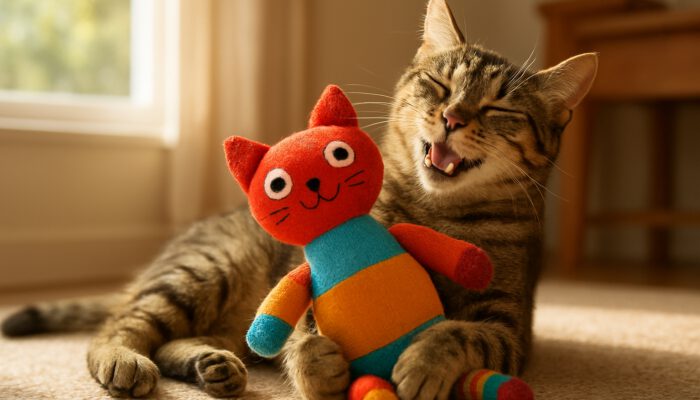
- Improved longevity with high-quality materials
- Increased safety through secure stitching
- Engaging designs that maintain your cat’s interest
- Cost-effectiveness by reducing the need for replacements
How Do Cats Respond to Scents in DIY Catnip Toys?
Exploring Feline Sensory Perception
Cats possess a heightened sensitivity to specific scents, particularly those emitted by catnip, which can trigger their instinctual behaviours. The active compound in catnip, nepetalactone, attaches to receptors in a cat’s nasal tissue, eliciting a euphoric response that encourages playful behaviour. This natural attraction makes well-scented toys effective for stimulating both physical activity and mental engagement.
The aroma of catnip can prompt various behaviours, ranging from playful pouncing to rolling and rubbing. By incorporating potent catnip into your DIY toys, you create a sensory experience that captivates your cat’s attention and promotes active play. Understanding these responses allows you to design toys that resonate with your cat’s instincts, enhancing their overall well-being.
It’s essential to recognise that not all cats respond to catnip. Approximately 50-70% of cats exhibit a reaction, influenced by genetics. For those that do not react, consider alternative scents, such as silvervine or valerian root, to ensure all felines can enjoy stimulating playtime.
What is the Optimal Amount of Catnip for Engagement?
Determining the right quantity of catnip for your DIY toys is crucial to prevent overstimulation while still providing enough aroma to pique curiosity. Typically, a small handful of dried catnip suffices for most toy designs. This quantity delivers a strong scent without overwhelming your cat, encouraging engagement without inducing anxiety.
Observe your cat’s reactions during playtime. If they seem overly excited or agitated, consider reducing the amount of catnip in the toy. Conversely, if your cat displays little interest, you may need to slightly increase the quantity. Finding the right balance ensures that your DIY toys remain effective and enjoyable.
You can also experiment with different methods of incorporating catnip. For example, placing it inside a small pouch within the toy can help control the scent release over time. This technique keeps the toy appealing for longer, providing continuous enrichment for your cat.
How to Maintain Scent Freshness Over Time
To prolong the life of your DIY catnip toys, periodically reapplying catnip is necessary. Over time, the oils that give catnip its attractive aroma can dissipate, leading to decreased interest from your feline friend. To refresh the scent, simply open the toy and add a small amount of fresh catnip to ensure it remains engaging for your cat.
Another effective method for preserving scent is to store the toys in airtight containers when not in use. This practice helps maintain essential oils and keeps the toys smelling fresh. Regularly checking and refreshing the catnip can significantly extend the lifespan of your DIY toys, making them a staple in your cat’s playtime routine.
Consider introducing new scents or variations to maintain your cat’s interest. Combining catnip with other enticing aromas can create a richer sensory experience. By proactively managing scent freshness, you can ensure that your DIY catnip toys continue to bring joy and stimulation to your furry companion.
Expert Insights for Crafting Captivating DIY Catnip Toys
What Behaviour Studies Indicate About Cat Engagement
Behaviour studies reveal that the materials used in toys significantly affect a cat’s engagement and activity levels. For example, toys made from natural fibres tend to withstand a cat’s claws and teeth better, resulting in longer-lasting play experiences. Research shows that cats are more inclined to engage with toys resembling their natural prey, such as those with irregular shapes or added textures.
Experts advise using a combination of durable fabrics and enticing fillings to create toys that align with a cat’s instinctual behaviours. Toys that crinkle or produce noise can motivate a cat to pounce and explore, providing both physical and mental stimulation. By understanding these dynamics, you can design toys that not only entertain but also encourage healthy activity levels in your cat.
Observing your cat’s interactions with different designs can offer valuable insights into which materials and shapes are most appealing. Tailoring your DIY projects based on these observations can enhance satisfaction for both you and your pet, ensuring that playtime remains a cherished part of your cat’s daily routine.
Steps for Effectively Testing Your DIY Toys
To assess the effectiveness of your DIY catnip toys, implement a structured testing process. Start by introducing one toy at a time and carefully observing your cat’s responses. Take note of their engagement levels, including how frequently they interact with the toy and the types of behaviours they display, such as pouncing, batting, or carrying.
Keep a journal to document these observations over time. This record helps you identify patterns and preferences, allowing you to refine your designs based on what resonates most with your cat. If a particular toy fails to capture their interest, assess its features and consider modifications, such as adjusting the shape, size, or filling.
Incorporating feedback from multiple cats can also be beneficial. If possible, invite friends or family with cats to participate in testing sessions. This collaborative approach can provide a broader understanding of what makes a toy appealing across different feline personalities and preferences.
Avoiding Common Pitfalls in DIY Toy Creation
When making DIY catnip toys, several frequent mistakes can diminish their appeal or safety. One common error is using unsuitable materials that may degrade or present health risks. Always select non-toxic, durable fabrics and fillings that are safe for your pet to chew on.
Neglecting to secure seams properly is another common issue. Loose stitching can lead to toys falling apart, creating choking hazards or messes. Ensure that all seams are reinforced and regularly check the toys for signs of wear and tear.
Failing to consider your cat’s size and play style can result in toys that are either too small or too large. Proper sizing is essential to ensure that your cat can comfortably manipulate the toy. By steering clear of these common mistakes, you can create higher-quality DIY catnip toys that provide safe, engaging play experiences for your furry friend.
What Safety Measures Should You Implement for DIY Catnip Toys?
Conducting Regular Inspections for Loose Parts
Routine inspections of your DIY catnip toys are critical to ensure safety during play. Loose parts can become choking hazards, so examine for signs of wear or damage before allowing your cat to play. Look for frayed edges, loose threads, or areas where stuffing might be escaping.
If you find any issues, take the time to repair or replace the toy. This proactive approach helps maintain a safe environment for your pet, reducing the risk of accidents. Consider implementing a regular check schedule, especially if your cat plays particularly rough with their toys.
Educating yourself about safe materials for pets is crucial for overall safety. Always prioritise non-toxic fabrics and fillings, ensuring that your DIY creations are not only enjoyable but also safe for your furry friend to engage with.
Ensuring Proper Sizing of Toys
Correct sizing of DIY catnip toys is vital for safe play. Toys that are too small can pose a choking risk, while those that are too large may be difficult for your cat to handle. Take your cat’s size and play style into account when designing your toys, ensuring they can easily carry, bat, and pounce on them.
For kittens or smaller breeds, select smaller toys that are easy for them to grasp. Larger breeds or adult cats may prefer bigger toys that they can wrestle with and carry. By customising the size of your toys to your cat’s specific needs, you enhance their play experience and minimise the risk of accidents.
Incorporating features like tails or loops can make the toys easier to handle. These elements provide your cat with additional ways to engage with the toy, promoting more active play and reducing frustration.
Advantages of DIY Toys for Your Cat’s Well-Being
- Encourages physical activity and exercise
- Stimulates mental engagement and curiosity
- Promotes healthy play behaviours
- Reduces stress and anxiety through interactive play
Selecting Safe Materials for Your Toys
When crafting DIY catnip toys, choosing safe materials is essential. Non-toxic fabrics, such as organic cotton or untreated wool, should be your primary selections. These materials ensure that your cat can play safely while promoting overall health during interactive sessions.
Avoid synthetic fabrics that may contain harmful chemicals or dyes, as these can pose risks if ingested. Steer clear of small embellishments or parts that could easily detach, as these can create choking hazards.
By prioritising safe materials, you create toys that your cat can enjoy without concerns about harmful substances. This commitment to safety enhances the overall play experience, allowing you to focus on the joy and enrichment that DIY catnip toys can provide.
Monitoring Initial Play Sessions for Safety
Supervising your cat during their first few play sessions with newly crafted catnip toys is crucial for ensuring safety. Close observation allows you to address any unexpected issues and guarantee a positive experience for your pet. If your cat shows signs of distress or unusual behaviours, you can intervene immediately.
During these initial sessions, take note of how your cat interacts with the toy. Are they engaged and playful, or do they seem hesitant? This insight can help you determine if adjustments are necessary to enhance their enjoyment.
Establishing a routine of supervision not only promotes safety but also builds trust between you and your pet. As your cat becomes more comfortable with their toys, you can gradually allow for more independent playtime, knowing that you’ve taken the necessary precautions to ensure their well-being.
Effective Strategies for Crafting DIY Catnip Toys
Expert Techniques for Scent Layering
Scent layering is an effective method for enhancing the allure of DIY catnip toys. By combining multiple aroma sources, you can create toys that maintain interest and encourage diverse play patterns. For instance, blending catnip with other enticing scents like silvervine or valerian can provide a richer sensory experience for your cat.
Consider employing different compartments within the toy to contain various scents, allowing your cat to explore and engage with each layer. This strategy keeps playtime exciting while encouraging your cat to utilise their natural hunting instincts to investigate the different aromas.
Regularly refreshing the scents and experimenting with new combinations can help sustain your cat’s interest over time. By grasping the principles of scent layering, you can create DIY toys that provide ongoing stimulation and enrichment for your feline friend.
Insights from Professional Cat Trainers
Professional cat trainers emphasise the importance of engaging toys in promoting specific behaviours. For example, toys designed to encourage fetching can be particularly beneficial for cats that enjoy interactive play. By incorporating features like strings or feathers, you can create toys that stimulate your cat’s natural instincts to chase and capture.
Trainers also suggest using toys that encourage climbing or jumping to improve physical fitness. Toys that dangle or are suspended can motivate your cat to engage in more active play, promoting healthy exercise habits.
Observing your cat’s natural behaviours can provide valuable insights into which designs are most effective. By tailoring your DIY projects based on these observations, you can create toys that entertain while also contributing to your cat’s overall development and well-being.
Steps for Introducing Variations in Your Toys
To keep playtime fresh and exciting, regularly changing the features of your DIY catnip toys is essential. Introducing new elements, such as different textures or sounds, can help maintain engagement levels across various cats and households. For example, consider adding crinkle paper to a toy that previously only contained catnip for enhanced stimulation.
Experimenting with different shapes and sizes can create a diverse range of toys that cater to your cat’s evolving preferences. Regularly swapping out toys or reintroducing old favourites can reignite interest and excitement, preventing boredom during playtime.
Incorporating feedback from your cat’s reactions can guide your design choices. If certain features elicit more enthusiasm, emphasise those aspects in future creations. By remaining attentive to your cat’s preferences, you can ensure that your DIY catnip toys continue to be a source of joy and enrichment.
Essential Maintenance and Storage Tips for DIY Catnip Toys
How to Clean Your Toys While Preserving Their Aroma
Keeping your DIY catnip toys clean while preserving their scent is vital for ongoing enjoyment. To clean your toys, use gentle washing methods, such as hand washing with mild soap and water. Avoid harsh chemicals or detergents that may strip the toys of their enticing aromas.
After washing, allow the toys to air dry completely before reintroducing them to your cat. This practice ensures that any residual moisture doesn’t lead to mould or unpleasant odours. If the scent has faded, consider refreshing the catnip before returning the toy to your pet’s play area.
Regular cleaning not only keeps the toys hygienic but also enhances their appeal. By preserving catnip oils and ensuring a clean play environment, you create a more enjoyable experience for your cat.
Advantages of Effective Storage Practices
- Maintains scent potency over time
- Prevents damage from environmental factors
- Organises toys for easy access
- Extends the lifespan of your DIY creations
Rotating Toys for Optimal Engagement
To keep playtime engaging, regularly rotating your catnip toys is a smart strategy. By reintroducing toys at optimal intervals, you can sustain your cat’s interest and enthusiasm. This method prevents boredom and encourages your cat to engage in active play, supporting healthy exercise habits.
Consider establishing a rotation schedule, allowing each toy to be featured for a designated period before being swapped out. This approach not only keeps playtime fresh but also helps you monitor which toys your cat enjoys the most.
When reintroducing toys, think about adding new features or refreshing the scent to enhance their appeal. By maintaining a dynamic and engaging play environment, you contribute to your cat’s overall well-being.
Best Practices for Storing Catnip Toys
Proper storage of catnip toys is crucial for maintaining their scent and overall condition. Store your DIY creations in cool, dry places away from direct sunlight to prevent essential oils from degrading. Airtight containers are ideal for preserving freshness, ensuring that your toys remain appealing for extended periods.
Avoid storing toys in damp or humid areas, as this can lead to mould growth and unpleasant odours. Regularly inspect stored toys for signs of wear or damage, addressing any issues before reintroducing them to playtime.
By implementing appropriate storage methods, you can extend the life of your DIY catnip toys, ensuring they remain a source of joy and enrichment for your feline companion.
Conducting Routine Inspections for Safety
Frequent inspections of your DIY catnip toys are necessary to maintain their safety and effectiveness. Look for signs of excessive wear, loose threads, or potential damage that could pose a risk to your cat during play. If you notice any issues, take the time to repair or replace the toy to prevent accidents.
Establishing a routine for inspecting toys helps catch problems early, ensuring your cat’s play environment is safe and enjoyable. Pay particular attention to seams and areas where stuffing may begin to escape, as these are often the first signs of wear.
By being proactive about toy maintenance, you can ensure that your DIY catnip creations continue to provide safe, engaging play experiences for your feline friend.
Frequently Asked Questions
Which Materials Are Optimal for DIY Catnip Toys?
Natural fabrics like organic cotton and canvas are excellent choices for DIY catnip toys. They are durable, safe for chewing, and less likely to cause allergies compared to synthetic materials.
How Can I Ensure My Catnip Toys Are Safe?
Regularly check your toys for loose parts, frayed edges, or damage. Use non-toxic materials and supervise your cat during initial play sessions to ensure safety.
How Often Should I Refresh the Catnip in Toys?
Refreshing the catnip every few weeks or whenever you notice your cat losing interest is advisable. This helps maintain the toy’s appeal and keeps playtime engaging.
Do All Cats Enjoy Catnip Toys?
Not all cats respond to catnip; around 50-70% exhibit a reaction. If your cat doesn’t react, consider other scents like silvervine or valerian root.
What Safe Filling Options Are Suitable for Catnip Toys?
Safe filling choices include polyester fiberfill, organic cotton, and crinkle paper. Avoid materials that can easily break apart, as they may pose choking hazards.
How Can I Make My Toys More Engaging?
Integrate different textures, sounds, and scents into your toys. Experiment with shapes and sizes to cater to your cat’s play style and preferences.
What Is the Best Way to Clean My DIY Catnip Toys?
Hand wash your toys with mild soap and water, avoiding harsh chemicals. Let them air dry completely before reintroducing them to your cat.
What Should I Do If My Cat Shows No Interest in the Toy?
If your cat is uninterested, try adding more catnip or mixing in other enticing scents. Observe their play style to adjust the toy’s design accordingly.
How Can I Store Catnip Toys to Preserve Their Scent?
Store catnip toys in airtight containers in a cool, dry place away from direct sunlight. This helps keep the essential oils intact and the toys appealing.
What Common Mistakes Should I Avoid When Making DIY Catnip Toys?
Common mistakes include using inappropriate materials, failing to secure seams, and not considering your cat’s size. Steering clear of these errors can improve the safety and appeal of your toys.
Join Us on Facebook for More Tips!
The Article DIY Catnip Toys For Playtime: Creative Ideas For Feline Fun First Published On https://elgatoencasa.com
The Article DIY Catnip Toys: Creative Ideas for Feline Playtime Fun Was Found On https://limitsofstrategy.com