If you’re exploring chin filler options, you may be addressing one of two major concerns. Your chin might seem overly recessed from a side view, or you may notice dimples and creases in the skin when you talk, smile, or purse your lips. In selfies, these issues can appear similar, yet they are fundamentally distinct and require different treatment approaches.
This in-depth guide will help you determine which issue you are facing, clarify the purpose of chin filler, explain the advantages of Botox, and identify circumstances where both treatments might be necessary.
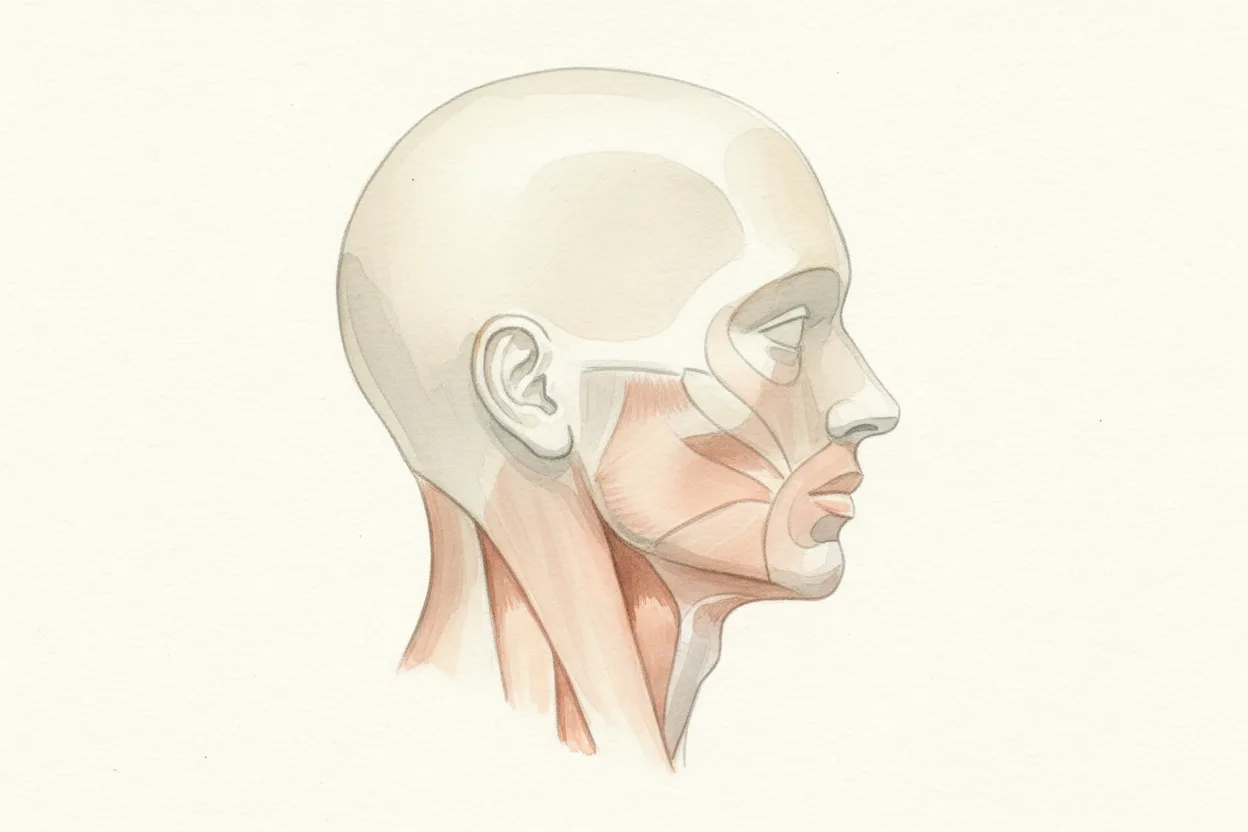
Identifying Key Chin Issues: Is It Shape or Movement?
Chin-related concerns typically fall into two categories: shape and movement. Chin filler is effective for addressing shape, while Botox targets movement. Understanding which issue you have is essential for your consultation preparation.
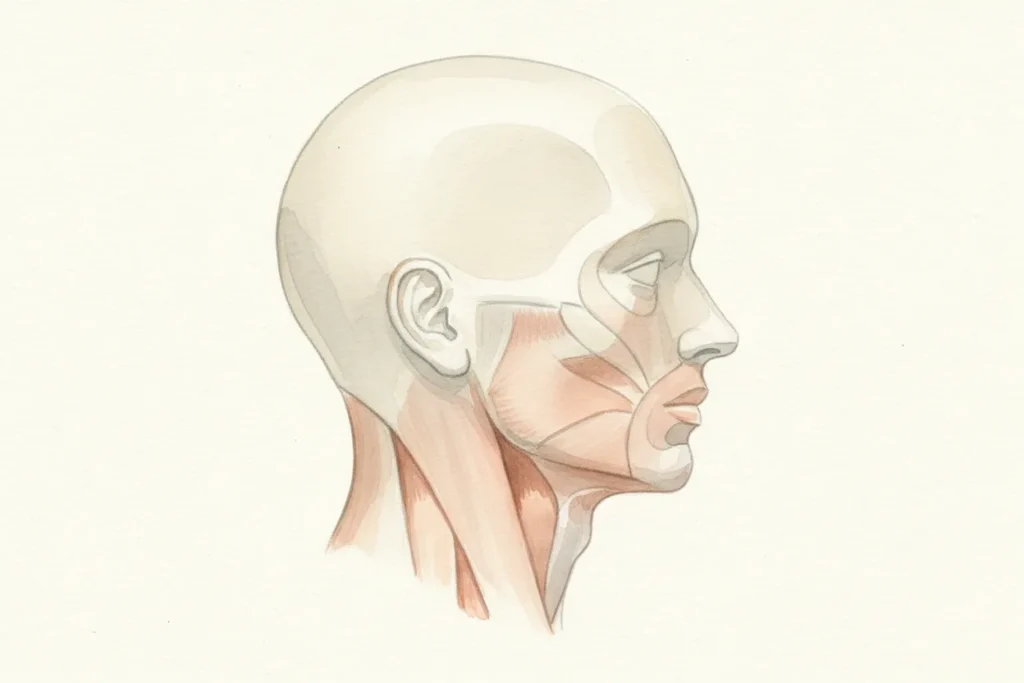
- Shape: This refers to a chin that appears short, is positioned further back in profile, or blends into the jawline and neck. These concerns involve volume and structure, remaining noticeable even when your face is relaxed.
- Movement: This issue presents as small dimples forming on the chin when the mentalis muscle contracts. Often described as an “orange peel” or “pebbled” chin, this is most prominent during speech, pouting, or lip movements.
A simple self-assessment in front of a mirror can provide helpful insights. Observe your chin from the side while keeping your face relaxed, then push your lower lip upwards as if pouting. If your chin appears recessed even at rest, it indicates a shape issue. If it becomes uneven only during movement, it suggests muscle activity. Many individuals experience a combination of both concerns. This assessment is a guideline and not a definite diagnosis; an in-person evaluation will yield more accurate insights.
Transforming Your Chin Profile with Chin Filler
Chin filler is used to enhance volume, bringing the chin forward and creating a more defined profile. The U.S. Food and Drug Administration (FDA) has approved chin augmentation as a use of dermal fillers for adults aged 22 and older.
Certain products have received specific approvals. For instance, in January 2021, the FDA approved Restylane Defyne for injection in the chin area, enhancing the appearance of the chin profile in individuals over 21. The FDA describes this gel as temporarily adding volume and fullness.
Keep in mind that results are not permanent. The FDA advises that some fillers are gradually absorbed by the body, requiring repeat treatments to maintain the desired effects. The American Society of Plastic Surgeons indicates that deep injections may last up to 12 months, while some newer products can last up to two years. Hyaluronic acid fillers can be reversed, as an enzyme can be injected to dissolve them if necessary.
Be prepared for potential side effects. The FDA lists common side effects associated with Restylane Defyne in the chin area, including bruising, itching, lumps or bumps, pain or tenderness, redness, and swelling. The most significant risk from any filler treatment is the chance of inadvertent injection into a blood vessel, which could lead to severe complications like tissue death, vision issues, or stroke. It is crucial to select a licensed healthcare provider experienced in administering fillers.
It is essential to understand that filler cannot prevent muscle movement; it solely focuses on enhancing shape. If your chin shows dimples due to overactive muscle activity, filler alone may not effectively address the issue.
Using Botox to Smooth a Dimpled Chin
Botox functions by relaxing the chin muscle, reducing its pull on the skin and helping to soften the appearance of dimpling. It acts as a neuromuscular blocking agent, inhibiting the signals that trigger muscle contraction and subsequently minimising skin bunching.
Research supports the effectiveness of this treatment. A double-blinded, placebo-controlled study conducted by Beer and colleagues, published in the Journal of Drugs in Dermatology in 2005, involved injecting Botox into one side of the chin and saline into the other among 20 participants. Both physicians and patients noted a visible difference on the Botox-treated side, both at rest and during muscle contraction. Although this study is limited, it supports the efficacy of Botox in this area.
Be aware of the implications of labelling. The Botox Cosmetic prescribing information from AbbVie includes four approved treatment areas: frown lines between the brows, crow’s feet, forehead lines, and platysma bands in the neck. Treatment of the chin falls outside these approved indications, categorising it as an off-label use. Your injector should thoroughly explain this status before proceeding with treatment.
A boxed warning in the prescribing information indicates that the effects of botulinum toxin can extend beyond the injection site. If you experience difficulty swallowing, speaking, or breathing after any Botox treatment, seek medical attention immediately.
As with Botox administered in other facial areas, the results are temporary and will require repeat treatments. The duration of effectiveness varies based on the treated area, dosage, and individual response, which we will discuss in our section on the longevity of Botox effects.
When Are Both Chin Filler and Botox Necessary?
Both treatments are recommended when your chin appears recessed at rest and also develops dimples during movement. In this scenario, filler provides the required shape, while Botox relaxes the muscle responsible for the uneven texture.
Many individuals may find that only one of the two treatments suffices. If your profile appears satisfactory and the only concern is dimpling while speaking, Botox alone may effectively address the issue. Conversely, if your chin appears smooth during movement but seems short or weak from the side, filler might be the better option.
The order of treatments and whether both can be administered simultaneously will be determined during your consultation. This decision will be based on how your chin looks at rest and in motion, as well as how your skin and muscles respond. Ask your injector to clarify the recommended sequence and provide justification for their approach.

Exploring Alternatives to Chin Filler
The best alternative to chin filler depends on the specific concern you are addressing. In some instances, a different treatment may be more appropriate, while in other cases, opting for no treatment at all may be the best decision.
- For dimpling issues only: Botox for the chin muscle, as previously described, can alleviate the concern without adding volume.
- For fullness beneath the chin: This relates to excess fat rather than shape. Kybella is an FDA-approved injectable specifically for moderate to severe fat accumulation beneath the chin in adults. Its prescribing information states that up to six treatments, spaced at least one month apart, may be administered, but its effectiveness on fat outside this area has not been established.
- For permanent changes: According to the American Society of Plastic Surgeons, chin surgery involves reshaping the chin with either implants or through bone reduction. Such decisions should be made in consultation with a board-certified plastic surgeon.
- For minor adjustments: Sometimes, it may be best to leave things as they are. A thorough consultation should allow for the possibility of concluding with a “not yet” response.
A Comprehensive Approach to Your Chin Filler and Botox Consultation
An effective chin consultation begins by addressing your specific concerns rather than focusing solely on treatment options. Here’s a structured approach to ensure clarity.
- Begin with photographs: Take front and side images while your face is relaxed and when you pout or press your lips together.
- Identify the concern: Determine whether the issue relates to shape, movement, fullness under the chin, or a combination of factors.
- Select the appropriate treatment: Use filler for shape concerns, Botox for movement issues, and Kybella for fullness beneath the chin.
- Discuss the product: Confirm which filler will be used, if it’s a hyaluronic acid filler that can be dissolved, and what the FDA has approved it for.
- Discuss Botox for the chin: Understand that this is an off-label use, the planned dosage, and when you will be reassessed.
- Provide your health history: Disclose medications, allergies, and any past reactions. As noted on ZenVita’s dermal fillers page, clients who are pregnant or nursing are ineligible for filler treatments.
- Schedule a follow-up: Plan a review appointment to assess results before undertaking any additional treatments.
Frequently Asked Questions About Chin Filler and Botox
Is there any discomfort associated with chin filler?
Some discomfort is normal. Restylane Defyne, approved by the FDA for chin use, contains lidocaine, a numbing agent, which is why the FDA lists a lidocaine allergy as a contraindication. Post-treatment pain or tenderness is one of the common side effects, along with bruising and swelling. Inform your injector if you have previously reacted to numbing medications.
What is the typical duration of chin filler results?
The duration varies based on the product used and individual factors. The American Society of Plastic Surgeons states that deep filler injections may last up to 12 months, with some newer products lasting up to two years. The FDA advises that some fillers may be absorbed over time, necessitating repeat treatments to maintain your desired shape.
Is Botox for the chin FDA approved?
No. The Botox Cosmetic label specifies approved treatment areas, including frown lines, crow’s feet, forehead lines, and platysma bands in the neck. The use of Botox in the chin muscle is considered off-label. A small placebo-controlled study published in the Journal of Drugs in Dermatology observed visible differences on the treated side. Your injector should clarify the off-label status prior to treatment.
Can chin filler be reversed if desired?
Yes, hyaluronic acid fillers can be reversed. The American Society of Plastic Surgeons explains that an enzyme can be injected to dissolve these fillers. This is a critical consideration when selecting your filler, as a reversible option offers a safety net that permanent solutions do not.
What are the alternatives to chin filler?
The suitable alternative depends on the specific issue at hand. Dimples during movement may only require Botox for the chin muscle. Fullness beneath the chin is a matter of fat, which can be addressed with Kybella. For a permanent alteration in shape, surgical options should be explored with a qualified plastic surgeon. If the desired change is minor, simply leaving your chin as it is can be a perfectly acceptable choice.
Book Your Chin Consultation in Aurora Today
If you’re unsure whether your chin requires filler, Botox, both, or neither, a consultation is the perfect opportunity to gain clarity. At ZenVita Medspa Aesthetics and Wellness in Aurora, our nurse practitioner-led team will assess your chin in both resting and dynamic states, discuss which treatment aligns with your concerns, and guide you through a tailored plan before any procedures are undertaken. Learn more about our offerings in dermal fillers and Botox at ZenVita, and book your consultation here.
Original Article First Published At: Chin Filler and Botox: Which One Does Which Job
The Article: Chin Filler Vs Botox: Understanding Their Unique Benefits first appeared on https://writebuff.com
The post Chin Filler Benefits Compared to Botox: Key Insights appeared first on Limits Of Strategy.