Upgrading to a smart toilet requires careful consideration beyond simply swapping out the old unit. Three vital aspects must be addressed: aligning your waste pipe with the new toilet bowl, ensuring adequate water pressure for the washing function, and confirming the availability of sufficient power supply. It is essential to check these factors before making a purchase to guarantee a seamless installation process.
This guide provides a comprehensive assessment checklist to help you prepare for purchasing a smart toilet.
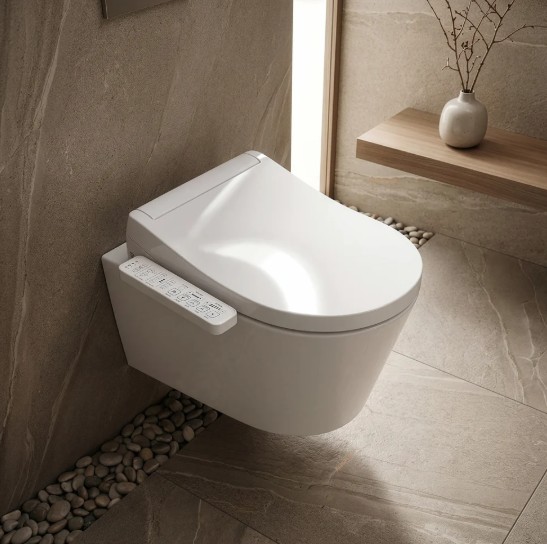
How to Properly Align Your Toilet Waste for Smart Toilet Installation
The term ‘set out’ refers to the distance from the finished wall to the centre of your waste pipe. Each smart toilet model comes with specific installation requirements that include this essential set out distance.
Measurements can vary significantly between different models, making it crucial to consult the specifications for the toilet you are interested in. For instance, Argent’s specification sheet for the Evoke wall-faced smart toilet specifies an S trap set out distance of 130 mm.
This indicates that a toilet suitable for one bathroom may not work in another, even if the waste pipes seem similar. To ensure compatibility, measure from the finished wall (including tiles, not just the framing) to the centre of your waste pipe. Then, compare this measurement with the installation specifications for the specific model you are considering, rather than relying on similar models from the same range. If your toilet’s waste line connects to the wall (a P trap), you should also verify the height specified by the manufacturer for the outlet.
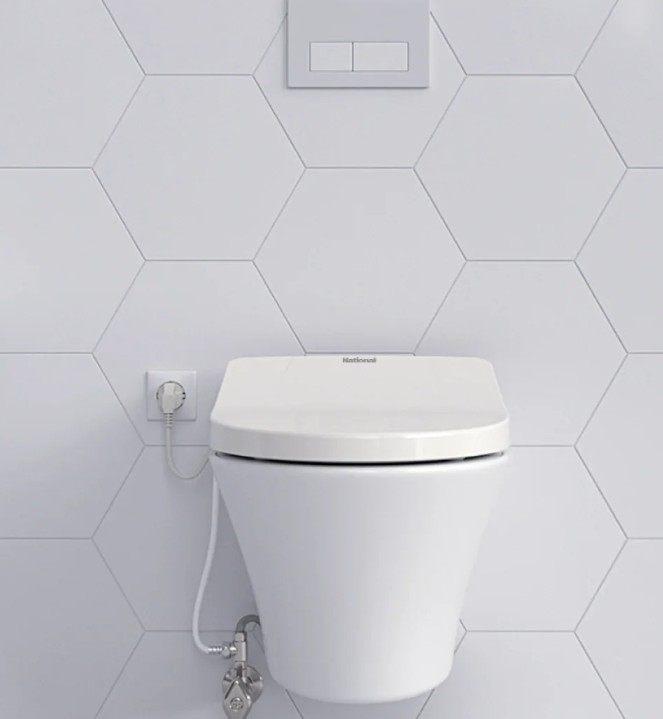
It is also critical to consider the cistern. Both smart toilets mentioned in this guide require an in-wall cistern: Argent’s Evoke specifications highlight this need, while Kohler’s installation drawing for the Veil intelligent toilet indicates an in-wall cistern installed on the floor and studs. This may involve opening up the wall, so confirm whether your chosen model includes its own cistern or if it needs to be installed separately.
Wall-faced and back-to-wall designs effectively conceal the trap and connections, providing a neat appearance. This underscores the importance of accurate measurements prior to installation, as adjustments cannot be easily made afterward.
How to Assess Water Pressure for Optimal Smart Toilet Performance
The wash function depends on your water supply, and each manufacturer defines the required pressure range for their toilets. For example, the Kohler Veil drawing specifies that the water supply pressure must be between a minimum of 70 kPa and a maximum of 500 kPa. It is vital to install the toilet in accordance with AS/NZS 3500.1, the plumbing and drainage standard.
The upper limit aligns with regulatory standards. The Plumbing Code of Australia (NCC Volume Three, Part B1) mandates a maximum static pressure of 500 kPa at discharge points within any building.
Low water pressure is a common issue. If the pressure at your toilet falls below the manufacturer’s minimum requirements, it will not function effectively. Indicators that your water pressure may be inadequate include:
- Showers and taps exhibit weak flows, especially when multiple taps are in use.
- Your current toilet cistern takes an unusually long time to refill.
- Bathrooms located on upper floors experience noticeably lower pressure compared to those on the ground floor.
Do not make assumptions regarding your water pressure. A plumber can accurately measure the supply pressure before you purchase a toilet, giving you a clear indication of whether the model you are considering is suitable for your home. While reviewing the manufacturer’s specifications, take note of the recommended locations for the water connection and stop tap, as these may differ from your existing setup.
Understanding Power Requirements for Smart Toilets: Why You Should Hire a Licensed Electrician
Smart toilets require mains power, and if a suitable power supply is not readily available, it will need to be installed.
Manufacturers provide specific power requirements:
- Kohler’s Veil drawing specifies a dedicated minimum supply of 10 amps at 220 to 240 volts, along with earth leakage protection (an ELCB or GFCI).
- Argent’s Evoke specifications require an electrical rough-in on a separate 10 amp circuit.
- Verotti’s installation guidelines for its intelligent toilet state that electrical components must be protected by a 10 amp RCD and switch, both situated outside the bathroom, with connections made inside an IPX4 or superior junction box, complying with AS/NZS 3000 wiring regulations.
In New South Wales, this work must be carried out by a licensed electrician. The NSW Government’s home electrical safety page stresses that all electrical installation tasks should be executed by a qualified electrician. If you lack qualifications, do not attempt to install, replace, or relocate power points. Blue Rhino will handle the plumbing aspects of the installation, while a licensed electrician will manage the electrical work.
Careful planning of the installation sequence is essential. Typically, the electrical work should be completed prior to the new toilet installation. With wall-faced or back-to-wall pans, the power entry may end up positioned behind or beside the toilet. Ensure that both the electrician and plumber adhere to the same manufacturer’s specifications.
What to Anticipate in Terms of Floor and Wall Repairs When Replacing Your Old Toilet
Removing an old toilet may reveal issues that have been concealed for years. Here are some potential challenges you might face:
- Tiles that were cut to fit the old toilet, which may not be adequately covered by a differently shaped smart toilet.
- Old screw holes in the floor from the previous toilet installation.
- Discoloured or stained grout or tiles around the area of the old footprint.
- Marks or holes on the wall if the previous toilet had a separate or elevated cistern.
Before making a purchase, compare the footprint of the new toilet with that of the old one using the manufacturer’s drawings. If tiles need patching, check if you have spare tiles available. Finding a match for older tiles can be difficult, and a visible patch may complicate what appears to be a straightforward replacement.
Should You Retrofit or Renovate? Choosing the Best Option for Your Smart Toilet Upgrade
If your bathroom is relatively new and has a compatible set out, sufficient water pressure, and an easily accessible power point, installing a smart toilet with its own cistern can be straightforward.
Alternatively, consider a smaller initial upgrade. A bidet seat can be fitted onto your existing toilet, providing a wash function without the need to replace the entire unit, as long as your toilet is compatible. You can verify whether a bidet seat will fit your toilet before making a decision.
An upgrade becomes essential when:
- The waste set out is incompatible with your preferred models, requiring repositioning of the pipe.
- The wall must be opened to accommodate an in-wall cistern or to provide power, which may lead to mismatched tiles.
- You are considering renovating the bathroom in the near future.
If two or more of these scenarios apply, it may be wise to incorporate the smart toilet into a broader bathroom renovation, allowing for simultaneous improvements to the floor, walls, and plumbing. Blue Rhino specializes in plumbing and bathroom renovations, enabling you to coordinate the toilet installation alongside overall room enhancements.
If you have a specific brand in mind, our page on Toto toilets provides installation guidance, while our bidet installation page explores seat and bidet options.
Your Comprehensive Checklist for Buying a Smart Toilet
Take this checklist with you when shopping for a smart toilet and share it with your installer:
- Measure the set out distance from the finished wall to the centre of the waste pipe, noting whether it is an S trap (floor) or P trap (wall).
- Obtain the installation instructions for the specific model and ensure its set out aligns with your measurements.
- Identify the manufacturer’s water pressure requirements and have the pressure at your toilet assessed.
- Confirm whether the model requires an in-wall cistern, and determine where the manufacturer recommends positioning the water connection and power entry.
- Schedule a licensed electrician to install the necessary power point or dedicated circuit.
- Compare the footprint of the new toilet with that of the old one, and check for spare tiles.
- Consider whether a bidet seat on your existing toilet would meet your needs.
Frequently Asked Questions About Smart Toilets
Is a power point required for a smart toilet?
Yes, smart toilets need mains power, and manufacturers outline the necessary specifications. Kohler’s Veil drawing specifies a dedicated 10 amp supply with earth leakage protection, while Argent’s Evoke specifications necessitate an isolated 10 amp circuit. The NSW Government mandates that all electrical installation work be performed by a licensed electrician, so ensure to include one in your planning.
Will a smart toilet fit in the same space as my previous toilet?
That depends on your set out, which measures the distance from the finished wall to the centre of the waste pipe, as well as the arrangement of the cistern. Argent specifies a 130 mm set out for its Evoke wall-faced smart toilet, and both smart toilets referenced in this guide require an in-wall cistern, which will necessitate wall modification. Measure your existing setup and consult the specific model’s installation instructions before making a purchase.
What water pressure is required for a smart toilet?
Each manufacturer provides a specified pressure range. Kohler indicates a requirement of 70 kPa to 500 kPa for its Veil intelligent toilet, while the Plumbing Code of Australia limits static pressure inside a building to 500 kPa. If your taps and showers display weak flow, have the pressure evaluated before purchasing to ensure the toilet operates within the intended range.
Can I keep my existing toilet and just add a bidet seat?
In many cases, you can, provided your toilet is compatible. A bidet seat replaces the existing seat and introduces a wash function without the need to buy a new toilet. This setup still requires a water connection, and an electric seat necessitates nearby power. Our guide on assessing bidet seat compatibility with your toilet outlines the necessary checks to make before buying.
Consult with Blue Rhino for Expert Guidance on Smart Toilets
If you are considering the purchase of a smart toilet, contact Blue Rhino Plumbing before making a decision. Located around Ryde and servicing Sydney, we can assess your set out and water pressure, helping you determine whether it’s a straightforward replacement or the first step in a larger bathroom renovation.
Original Article First Published At: Switching to a Smart Toilet: What Changes in Your Bathroom Before It Works
The Article: Smart Toilet: Transforming Your Bathroom Experience first appeared on https://writebuff.com
The post Smart Toilet: Revolutionising Your Bathroom Experience appeared first on Limits Of Strategy.