Do you often find yourself clearing delicate spider webs from your window frames? These webs are usually created by black house spiders. If you’re also spotting white tail spiders on your floors at night, there’s a clear connection between these two sightings.
While removing the webs is a crucial step, it doesn’t tackle the root problem. Let’s explore why these webs continue to reappear, why white tails are attracted to your home, and what effective solutions you can implement.
Identifying Black House Spiders and Their Unique Webs
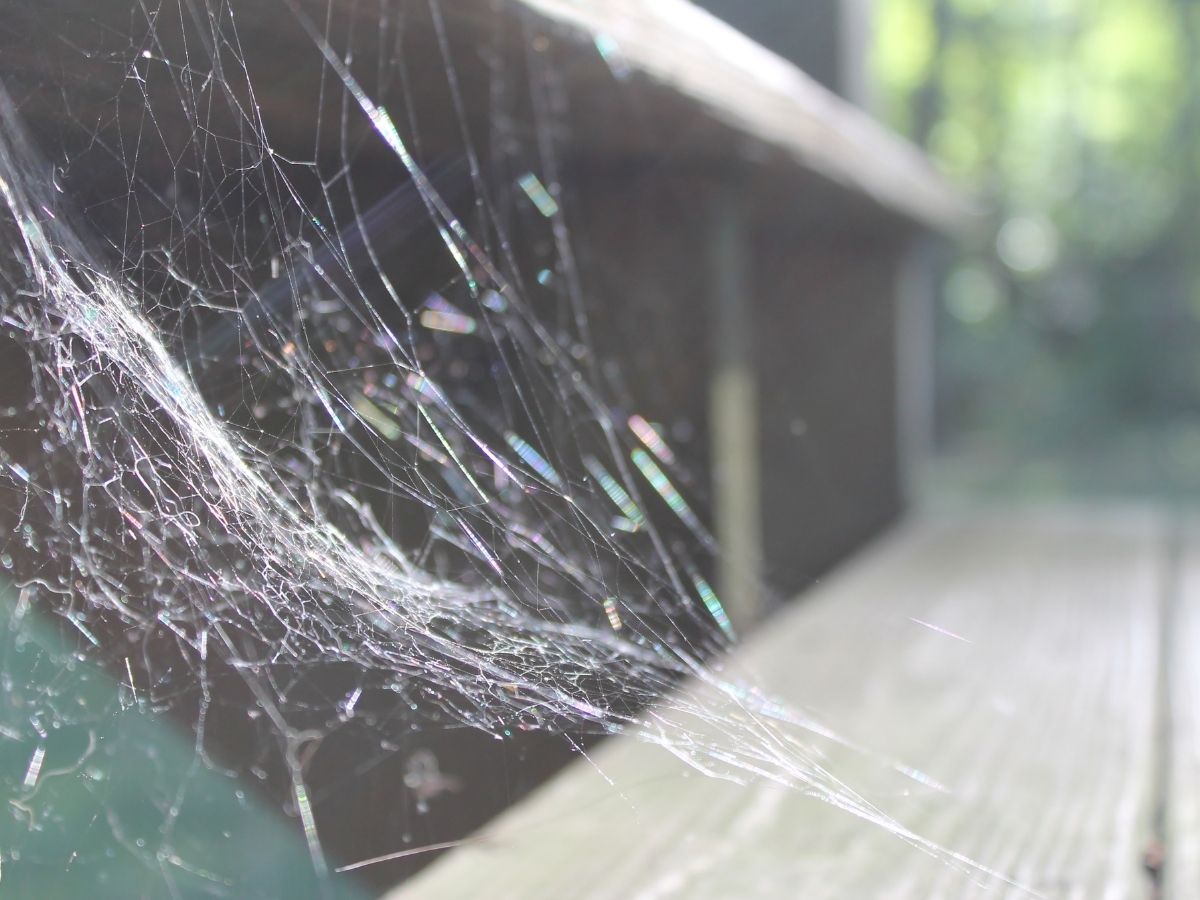
You can often identify a black house spider by its web long before you actually see the spider. According to the Australian Museum, these webs are intricate silk sheets that extend outward, featuring one or more funnel-shaped openings leading back to the spider’s hiding spot.
Fresh silk is fine in texture and arranged in a zigzag pattern. As time passes, older webs become tangled and messy, often adopting a grey, woolly appearance as the spider adds new layers.
Here are some key traits to look out for:
- The spider: A sturdy, dark spider covered in grey hairs on its front body, with dark brown to black legs and a charcoal-grey abdomen that might show subtle white markings. Female spiders are typically larger than males.
- The web: A disordered, lacy sheet with a funnel or hole at its centre, serving as a retreat for the spider when it feels threatened.
- The location: Common hiding places include window frames, wall crevices, tree trunks, logs, and rock walls, as noted by the Museum.
- The egg sacs: White silk egg sacs hidden within the spider’s retreat, which the female spider diligently guards until they hatch.
In Melbourne homes, these webs are often found in corners of window frames, gaps in brickwork, beneath eaves, and along fences. If you are uncertain about what you’re seeing, feel free to send us a photo for identification.
Why Removing Black House Spider Webs Alone Is Not Enough
While sweeping away the webs eliminates the silk, it often does not remove the spider itself. The Australian Museum explains that adult black house spiders typically find secure hiding spots in deep crevices.
When you clear away the web, the spider often remains hidden in the crack behind it. The Museum further indicates that female spiders usually remain with their webs unless forcibly displaced, continuously adding new layers. It’s important to note that new silk is primarily laid at night.
This explains why webs often reappear in the same areas shortly after being cleared. It’s the same spider in the same crevice producing fresh silk.
Window frames are a preferred habitat for black house spiders because they feed on insects like moths and beetles, which are attracted to the light of windows and lamps during the night. This light lures insects, which then serve as a food source for the spiders.
Do not stop clearing away webs, though. The Australian Museum advises that removing spider webs aids in controlling the population of white tails, making this action worthwhile.
This is just the initial step towards a solution. The reappearance of webs in the same spots indicates that the spiders are still residing there.
What Attracts White Tail Spiders to Homes? Their Search for Black House Spiders
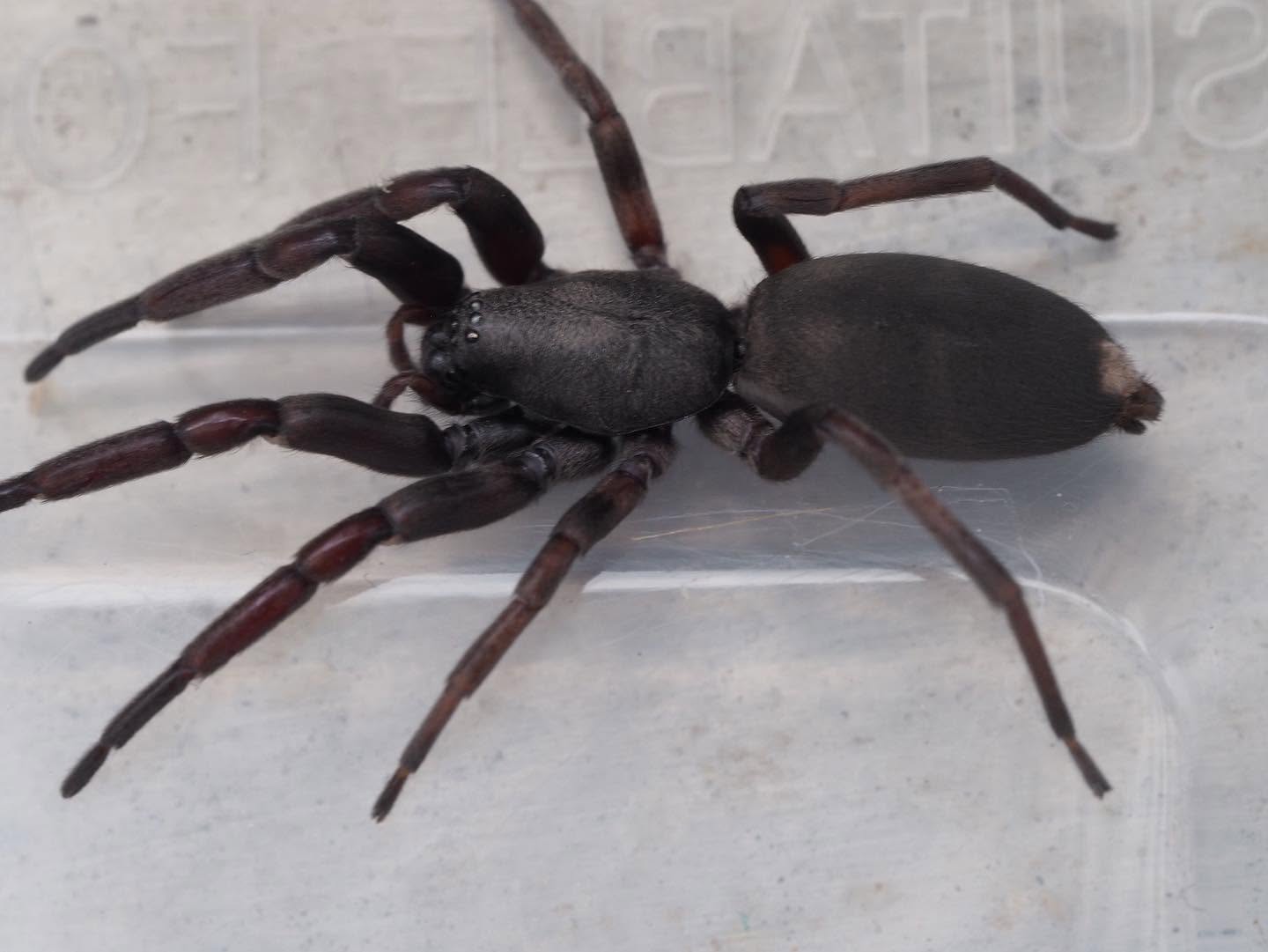
White tail spiders are often found indoors because they hunt black house spiders, their preferred prey. The Australian Museum states that during the summer and autumn months, white tails frequently invade homes, finding sheltered spots and an abundance of black house spiders to feast upon.
The Museum identifies white tails as natural predators of black house spiders. Health.vic supports this, noting that white tails often enter our homes in search of other spiders, including black house spiders.
While black house spiders are a primary target, they are not the only ones. The Museum has documented white tails preying on daddy long legs, redbacks, and other spiders. Black house spiders on your window frames are particularly vulnerable, making them an attractive target.
The Museum recommends capturing and removing any white tails you encounter and clearing away the webs of the house spiders they hunt. The webs indicate the locations of the spiders, which are the very targets the white tails seek.
For further information on white tails, including guidance on what to do if you are concerned about bites, please visit our spider control page.
Why Are White Tail Spiders More Active During the Night?
You are likely to encounter white tail spiders at night, as this is when they are most active. Both the Australian Museum and Health.vic highlight that they are primarily nocturnal, roaming around in search of other spiders to prey upon.
Unlike other spiders, white tails do not create webs and wait for prey. Health.vic points out that they only construct temporary silk retreats for moulting and laying eggs, which encourages their mobility. The Museum adds that specialised hairs on the ends of their legs enable them to traverse smooth or sloping surfaces, which is why they often end up on walls, ceilings, and floors.
When these conditions converge, window frames become busy zones after dark. Insects are drawn to the light, black house spiders lay fresh silk to capture them, and white tails venture out in search of their next meal.
As a result, some of these white tails may find their way indoors.
Health.vic advises that effective spider control starts with preventing spiders from entering your home. Installing flyscreens on windows and using weather strips or draught excluders under doors can significantly reduce the chances of their access. These measures are particularly effective for frequently used doors and windows.
Implementing an Effective Treatment Plan for Black House Spiders and Their Webs
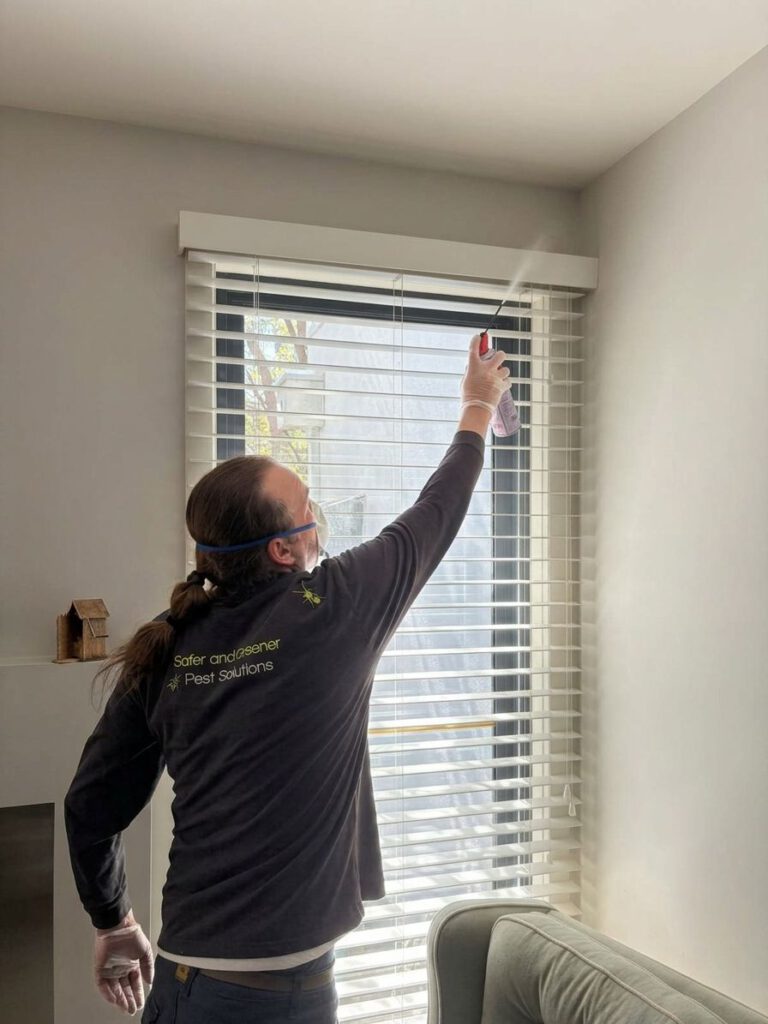
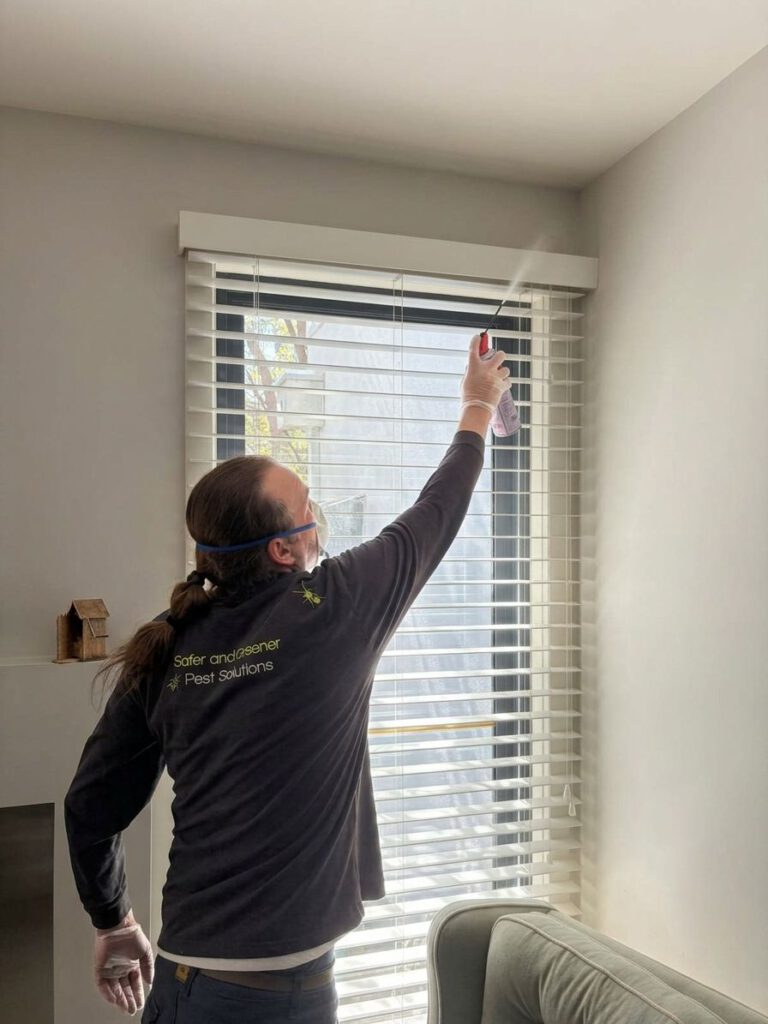
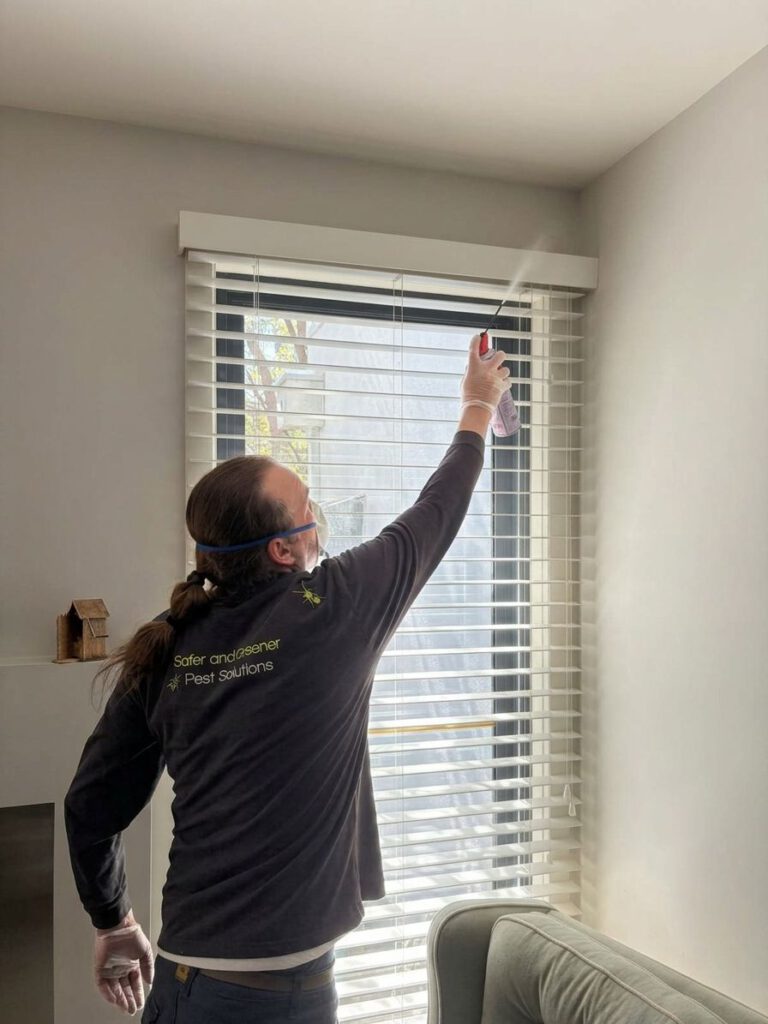
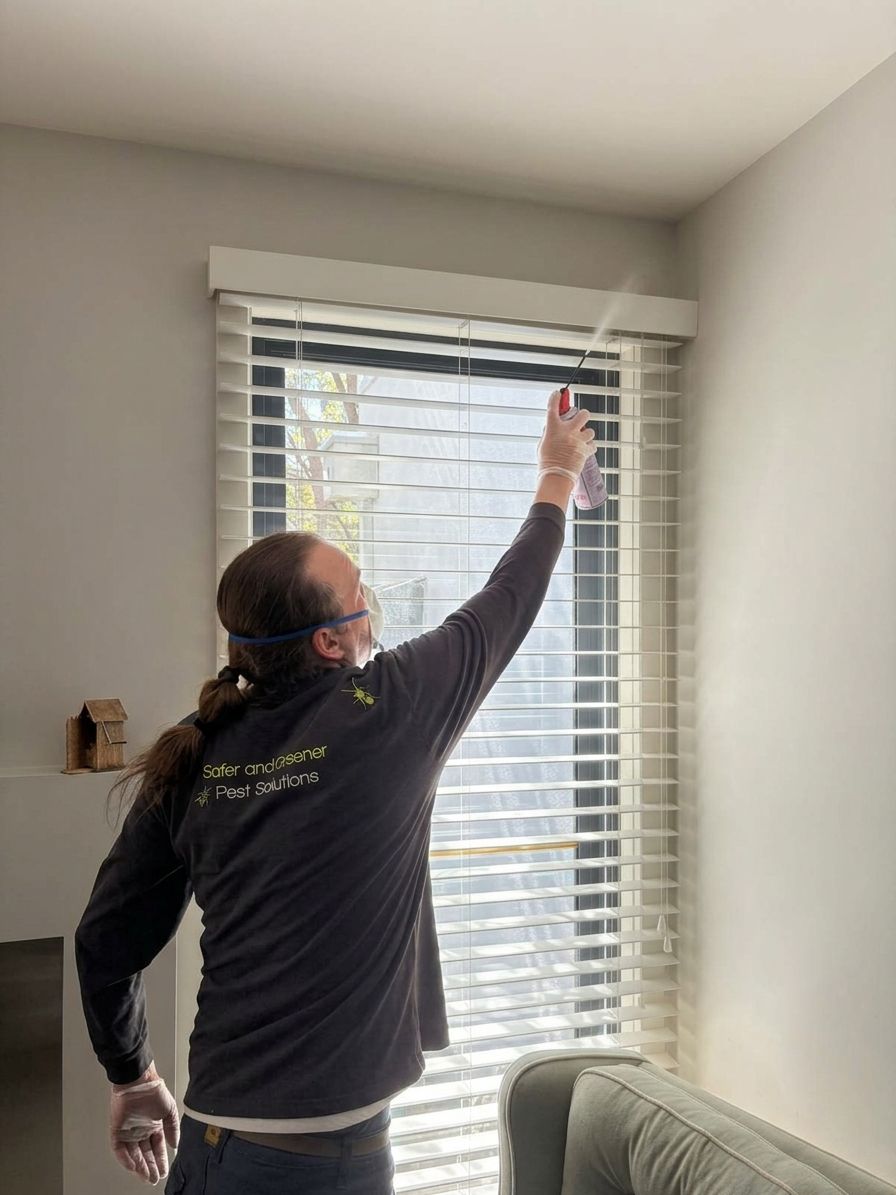
The crucial step in addressing the issue is treating black house spiders at their dwelling locations, not just removing their webs. Our spider treatment includes applying a surface treatment in areas where spiders rest, allowing them to come into contact with it as they move around.
On the exterior of your home, this involves treating areas where black house spiders typically construct their webs:
- Eaves and gutter lines: These sheltered spots are where spider webs first accumulate.
- Window and door frames: Treated from the outside, especially in the corners where lacy webs form.
- Outside walls and weep holes: These are the gaps and crevices found low on the brickwork.
- Fences, pergolas, and alfresco areas: Common resting spots for spiders in the garden.
- The garden and washing line area: Areas frequently traversed by family members.
By treating the spiders outside your home, you reduce the likelihood of white tails entering.
This method is why many families with children and pets opt for an outside-only treatment. There is no need for anyone to leave the house, and the pests are effectively managed at their entry points and weep holes.
If you are considering whether to choose an outside-only treatment or an inside-and-out option, our guide on selecting between the two explains the differences. To gain insight into your home from the perspective of crawling pests, take a walk around the exterior of your house first.
One important note after your treatment: remnants of old webs will remain until they are either brushed away or naturally disintegrate. Ensure that you remove what you can reach.
Optimal Timing for Spider Treatments: Once or Twice Annually
Most homes in Melbourne typically receive one or two general pest treatments each year, with spider control included in these services. It is wise to schedule your first treatment before the warmer months, as this is when spider activity peaks and webbing accumulates quickly.
This timing aligns with the lifecycle of the spiders themselves. The Australian Museum states that black house spiders mature during summer and generally live for about two years, while white tails are most commonly observed around homes during summer and autumn.
If you notice those lacy webs returning to your window frames later in the year, or if white tails reappear in your hallway, contact us to discuss whether a second treatment is necessary.
You can check the costs for a general treatment based on the size of your home on our pest control prices page. When you’re ready, schedule your spider treatment with SOS Pest Control, and let us know where the webs keep reappearing.
Common Questions About Black House Spiders
Are Black House Spiders Related to Funnel-Web Spiders?
No, they are not. The funnel-shaped entrance of their webs may lead to confusion. The Australian Museum clarifies that black house spiders are not related to Australian funnel-webs and significantly differ in appearance, size, and life cycle. Health.vic notes that black house spiders are often mistaken for funnel-webs, particularly since Sydney funnel-webs are absent from Victoria.
What Are the White Sacs Found in Black House Spider Webs?
These are egg sacs. The Australian Museum explains that the female spider creates several white silk egg sacs, secures them within her retreat, and remains with them until they hatch. The spiderlings then disperse. If you see egg sacs on your window frames, expect more black house spiders to emerge soon.
Are Black House Spiders Dangerous?
The Australian Museum describes black house spiders as generally timid, with bites being rare. Most people prefer not to have them nearby, which is completely understandable. For concerns regarding bites, please consult our spider control page and speak with your healthcare provider.
Will an Outside-Only Treatment Effectively Target Black House Spiders?
Yes, as this is where they reside. Black house spiders typically build their webs on eaves, window frames, walls, and fences, all of which are addressed by an outside treatment. Spiders already inside, such as those in ceiling corners or behind curtains, will require inside treatment as well, so please inform us of any indoor spider sightings when you book.
Original Article First Published At: Why White Tails Follow the Black House Spiders on Your Window Frames
The Article: White Tails and Black House Spiders on Your Window Frames first appeared on https://writebuff.com
The post White Tails and Black House Spiders on Window Frames appeared first on Limits Of Strategy.