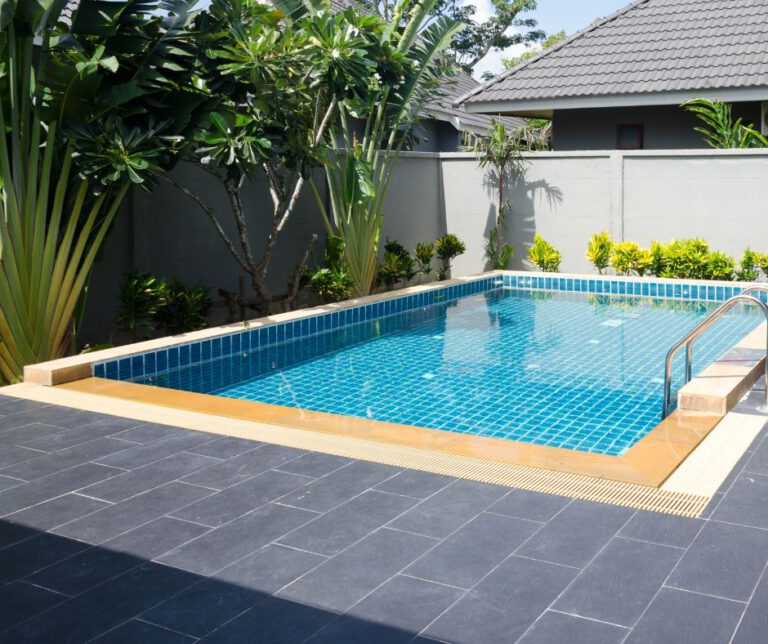
Your pool area may look spectacular, but you might be facing persistent drain backups in the vicinity. In Sutherland Shire and southern Sydney, our investigations using advanced camera technology to inspect blocked sewer or stormwater lines near pools frequently reveal invasive tree roots that have penetrated the joints of ageing pipes.
Resolving a blocked pool drain doesn’t always require removing pavers or digging up your garden. This article explores the underlying causes of blockages, the techniques we employ for detection, and how pipe relining offers a valuable solution by repairing the issue internally.
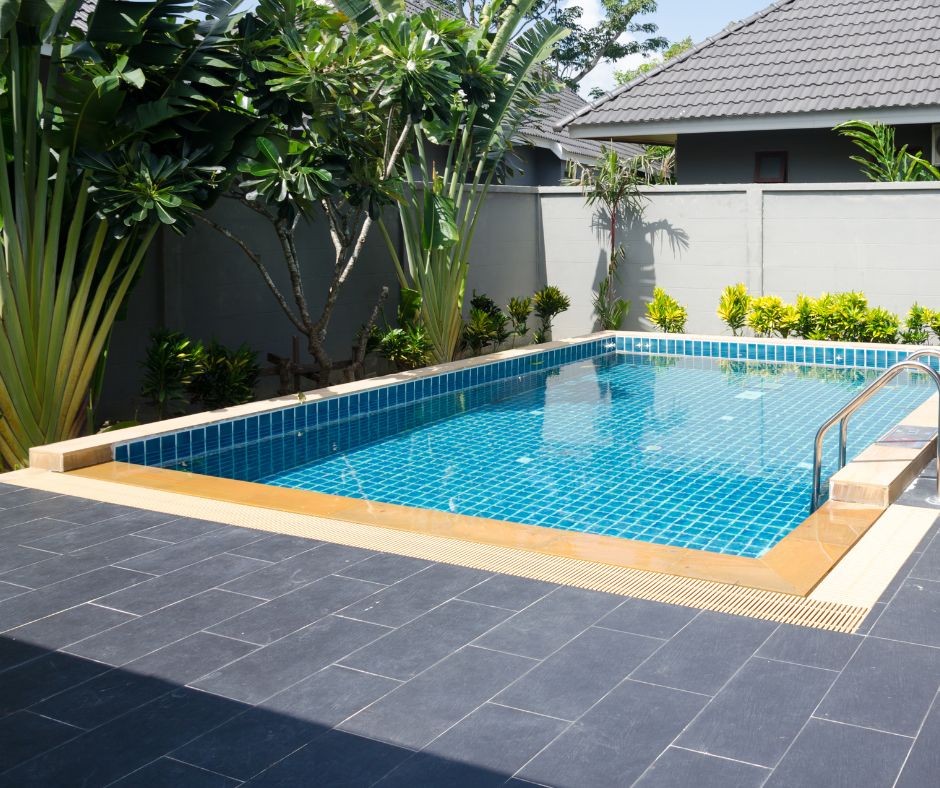
Which Drainage Systems Lie Beneath Your Backyard Pool?
In many Sydney backyard pools, the surrounding area is often covered with paving, tiles, decking, retaining walls, and garden beds. Below this hardscape, you will typically find several drainage lines:
- The sewer line from the household
- Stormwater drainage systems originating from the roof, paving, and pool surroundings
- The pool backwash line
- Overflow drains and subsoil drains
It is essential to differentiate that the pool’s filtration pipework, which connects the pump, filter, skimmer box, and return jets, operates under pressure and is separate from the drainage systems. This discussion focuses on the drainage lines that are particularly vulnerable to tree root intrusion.
How Do Tree Roots Cause Blockages in Pool Drains?
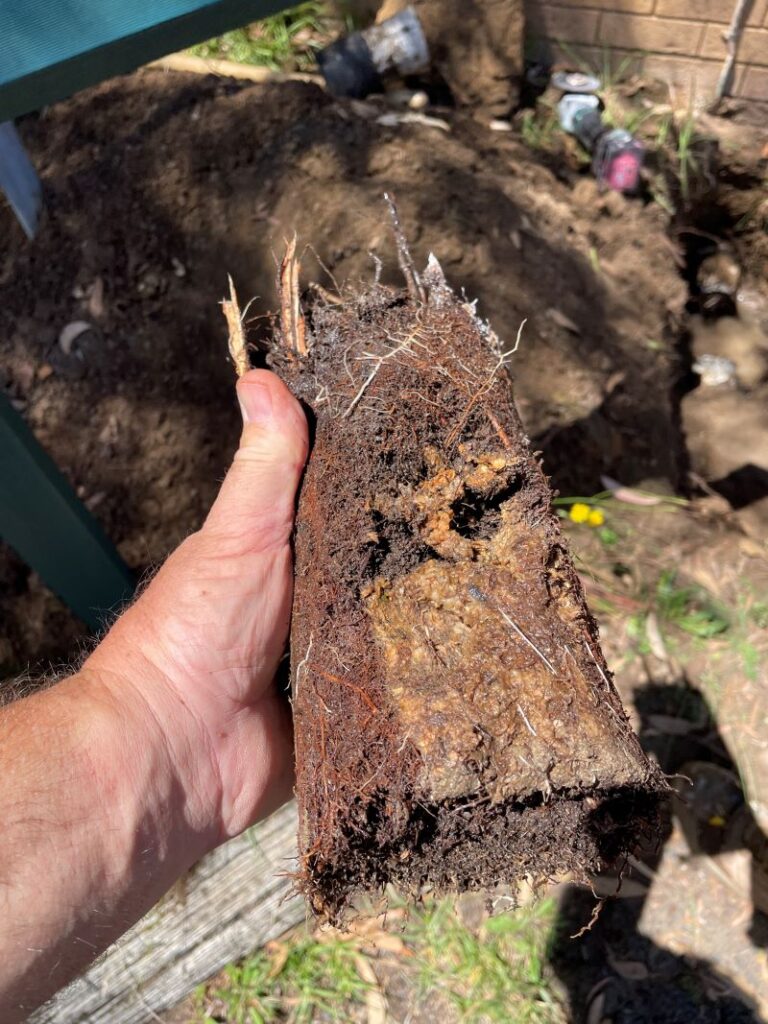
Tree roots are naturally attracted to moisture sources, and even a small leak at a pipe joint can draw them in. Roots from trees several metres away can extend towards a cracked joint in older terracotta, earthenware, or PVC pipes. Once a tiny root enters, it flourishes in the moist environment within the pipe, accumulating waste and debris, eventually resulting in a blockage.
When a drain near the pool becomes blocked, the backwash water has no place to go, which may lead to flooding on the pool deck. If the blockage occurs within the sewer line, it can cause showers, toilets, and floor wastes inside the home to back up.
If you are landscaping around a new pool, please refer to our guide on suitable tree species to plant to avoid blocked drains. This guide offers insights on trees that are safer to position near pipework.
What Signs Indicate a Blocked Pool Drain or Stormwater Line?
Stay vigilant for the following indicators around your pool and within your home:
- Pool water drains slowly or backs up during backwashing
- The backwash line overflows
- Water bubbles up through a garden drain or grate
- A sink or shower produces gurgling sounds when the pool is being backwashed
- Water accumulates on the pavers or lawn adjacent to the pool
Each of these symptoms points to a potentially blocked or damaged pipe underground, and a camera inspection will help us accurately pinpoint the issue.
Why Should You Avoid Excavation Around a Pool?
Gaining access to the drainage around a pool can be a challenging task that often results in damage. Reaching a pipe usually involves lifting travertine or granite pavers, cutting through concrete slabs or retaining edges, or removing garden beds, turf, or decking. After repairing the pipe, restoring the paving and landscaping can be extensive and costly.
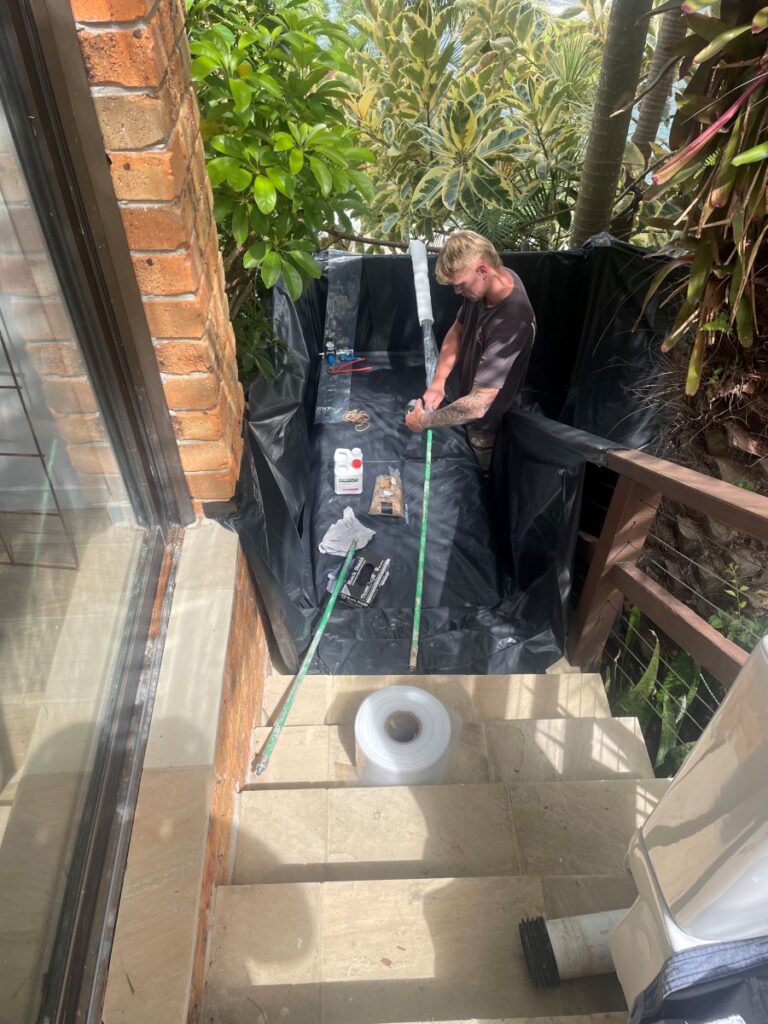
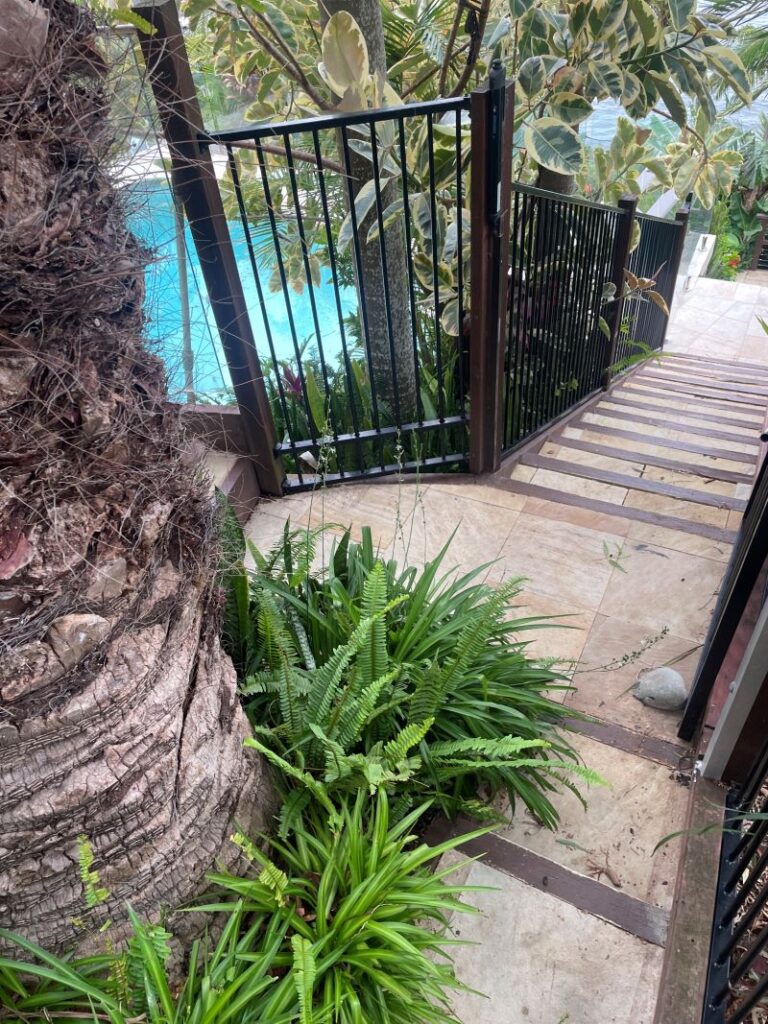
This is why we prefer relining methods over excavation. As highlighted in a recent case, relining allowed us to navigate around steep stairs and an established garden without causing disruption.
Case Study: Successful Pipe Relining Solutions Near a Pool in Sutherland Shire
A homeowner in Sutherland Shire contacted us regarding three pressing issues in their backyard:
- A blocked stormwater line adjacent to their in-ground pool
- Gurgling noises emanating from the back garden
- Water pooling in a tiled corner
Our CCTV drain inspection revealed significant root intrusion from a nearby tree, cracks in an old earthenware line, and multiple blocked junctions located approximately 3 metres beneath the pavers.
The images below illustrate the situation: the first shows the blocked pipe before intervention, while the second depicts the same pipe after the relining procedure was completed.
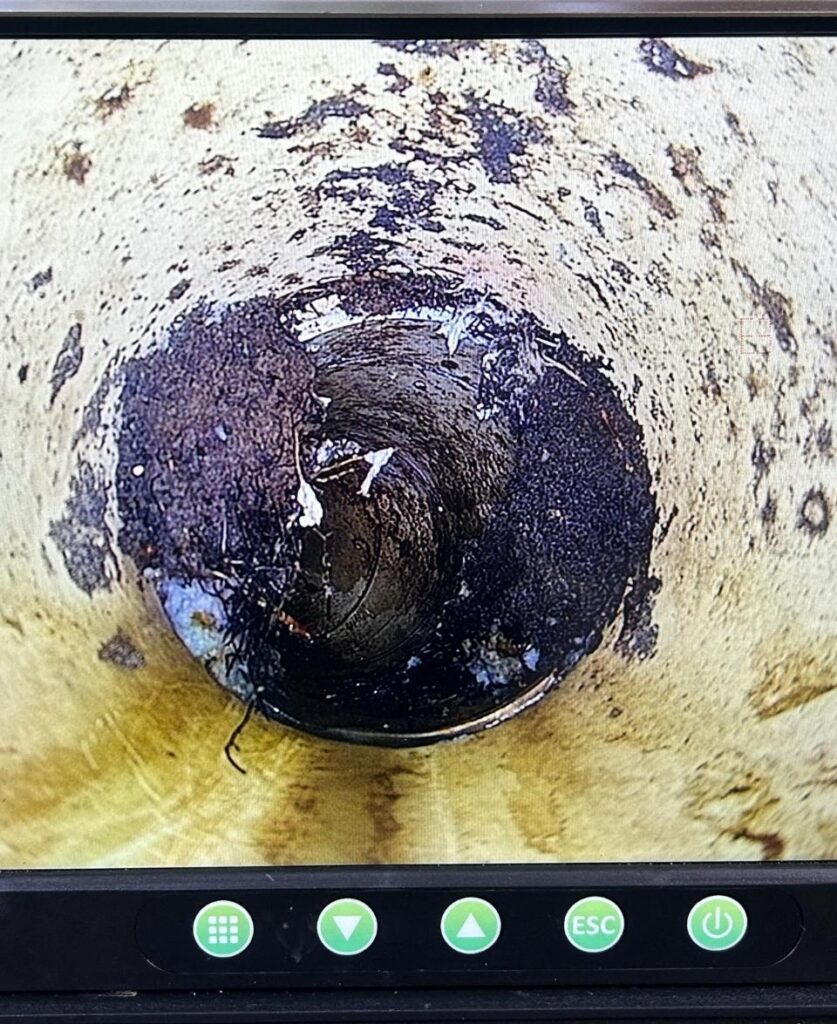
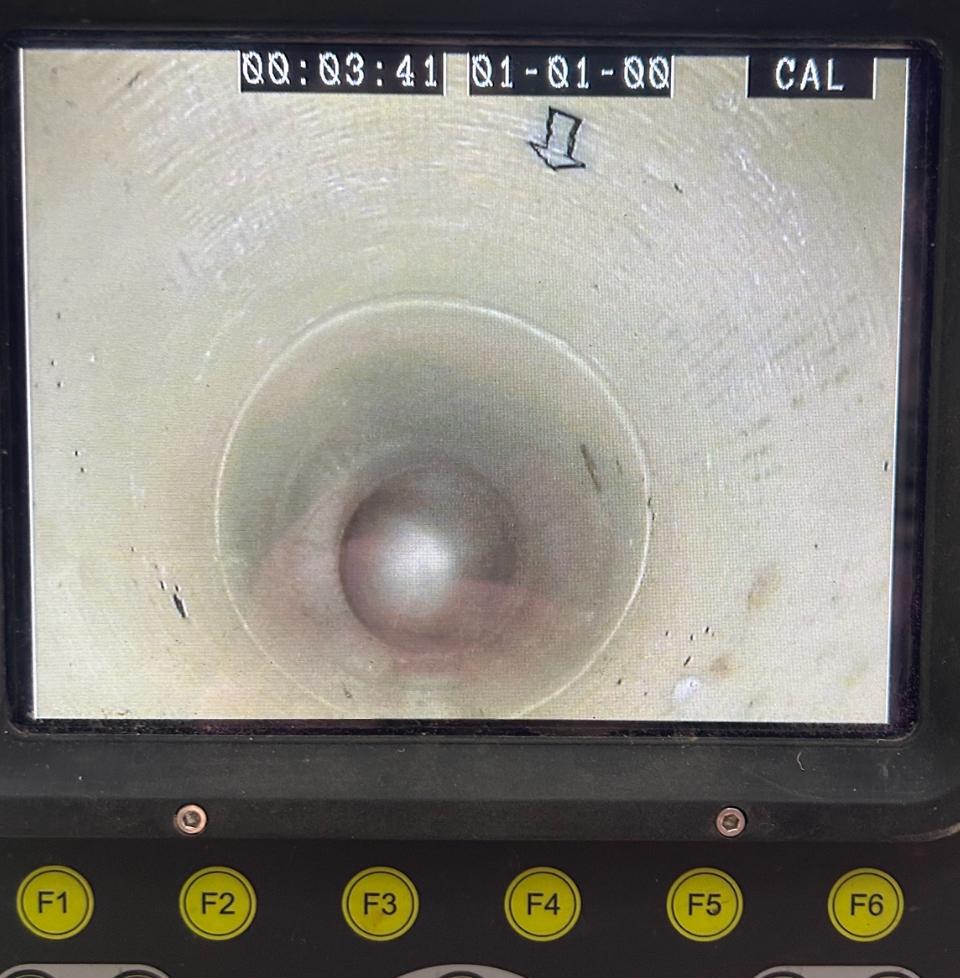
Instead of suggesting excavation, we performed the following steps:
- We cleared the line using high-pressure hydro jetting and root-cutting tools.
- We installed a resin liner throughout the damaged section to seal the cracked junctions and joints.
The stormwater line was restored to optimal flow, with no disruption to the pavers or garden beds. The entire process was completed in under six hours.
How Does Pipe Relining Work Without Excavation?
We employ a technique known as cured-in-place pipe relining. A resin-soaked liner is inserted into the damaged section of the pipe, pressed against the interior surface, and left to cure, effectively forming a new pipe within the old one. This method seals any cracks, leaking joints, and entry points exploited by tree roots. We access the pipe through an existing entry point, such as an inspection opening, ensuring that the surrounding pavers and garden remain undisturbed.
Our dedicated team supervises every phase of the relining process, from the initial camera inspection to the final stages, without involving subcontractors. For more information about the procedure, please visit our pipe relining Sydney page.
When Is Pipe Relining Not Suitable for Pool Drain Repairs?
Pipe relining is ideal for pipes that are damaged but retain most of their shape. If a section has collapsed to a point where a liner cannot be inserted, that segment will need excavation and replacement. Similarly, if a section has sunk and lost its gradient, the liner will follow the dip, resulting in stagnant water, which requires reinstallation of the pipe at the correct slope.
Occasionally, our camera inspections reveal that roots have infiltrated the Sydney Water main rather than your private pipes. In such cases, the responsibility for repairs lies with Sydney Water, and we provide the footage necessary to assist with the reporting process.
Frequently Asked Questions About Blocked Pool Drains
Can the Drain Pipes Surrounding a Pool Be Relined?
Absolutely. We can reline the sewer and stormwater pipes located beneath pool surrounds, provided the pipe maintains its shape. A camera inspection is conducted first to assess the damage and ensure that a liner can be installed. If any sections have collapsed or sunk, those areas will need excavation and replacement.
What Techniques Are Used to Clear a Blocked Pool Drain Without Excavation?
We eliminate the blockage using high-pressure hydro jetting and root-cutting tools. Afterward, we inspect the pipe with a CCTV camera. If the camera detects cracked joints or root entry points, we can install a resin liner from within the pipe through an existing access point. This repair effectively seals the damage without the need to lift pavers, cut slabs, or disturb the garden.
What Are the Common Causes of Blocked Drains Around Pools in Sydney?
Tree roots are a primary issue we encounter around pools, especially in older terracotta and earthenware pipes. Roots penetrate joints that leak water and continue to grow until they trap debris. A camera inspection will help identify the specific cause of the blockage in your drain.
Who Is Responsible for Removing Tree Roots from a Sewer Pipe in Sydney?
The property owner is responsible for their own pipes. According to Sydney Water’s guidelines regarding repair responsibilities, the owner must also clear tree roots that invade the junction at the connection point. If our camera footage shows that the roots are within the Sydney Water main, the responsibility for repairs lies with Sydney Water, and we will provide the necessary footage to report it.
How Long Does Pipe Relining Take Near a Pool?
The relining project in Sutherland Shire discussed in this article was completed in under six hours, which included root clearing and lining of the damaged section. The timeframe for your drain will depend on the length of the damaged area, the number of joints requiring sealing, and the accessibility of the entry point. We will provide you with a timeline following the camera inspection.
Schedule a CCTV Inspection for Your Blocked Drain Near the Pool
We aim to identify a method for repairing the drain from within the pipe before considering excavation, and we will show you the camera footage before commencing any work.
If you notice signs of a blocked drain near your pool, book a CCTV inspection or contact The Blocked Drain Guys at 0418 408 333. Craig or one of our team members will walk you through the inspection process and what we will be looking for.
Original Article First Published At: When Tree Roots Block Pipes Around Your Pool — And How to Fix It Without Digging Up Your Garden
The Article: Tree Roots Blocking Pipes Around Your Pool: Fixing Without Digging first appeared on https://writebuff.com
The post Tree Roots Blocking Pipes: Solutions for Your Pool Area appeared first on Limits Of Strategy.