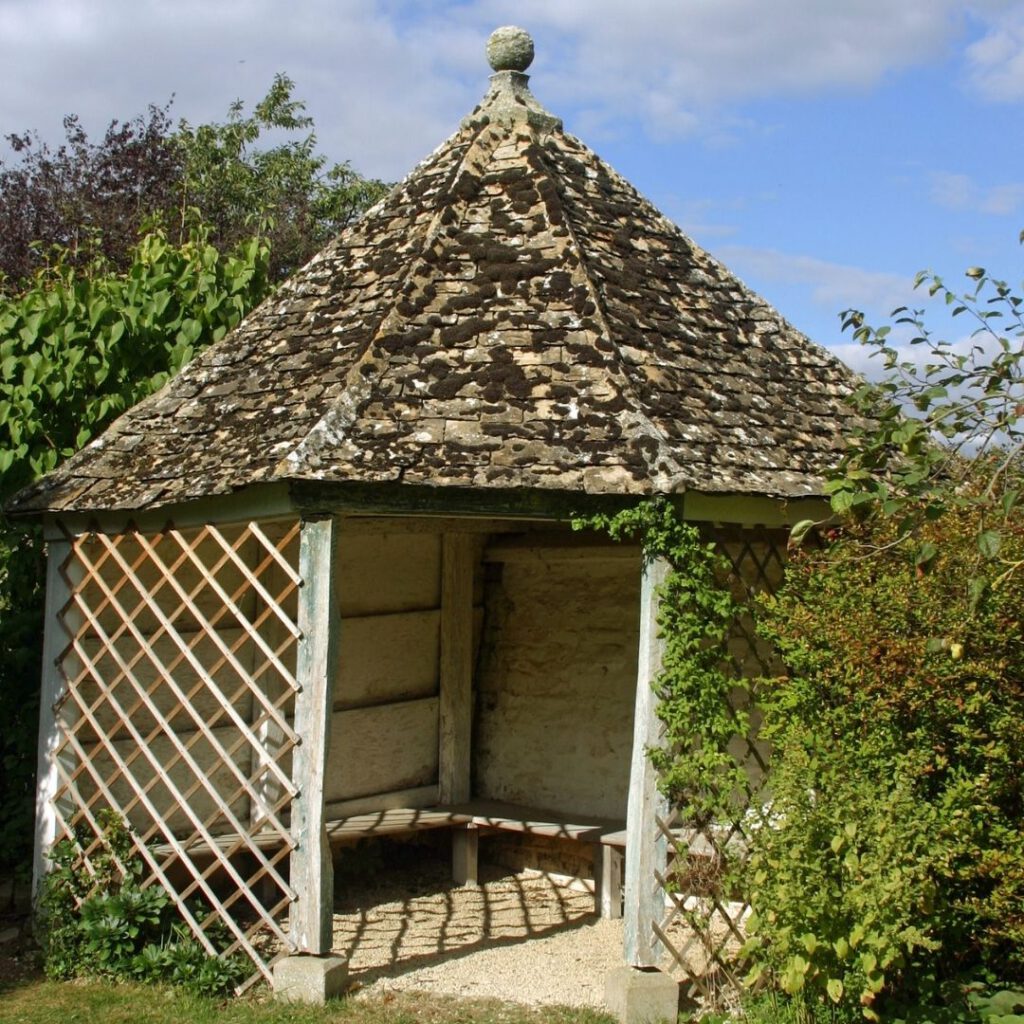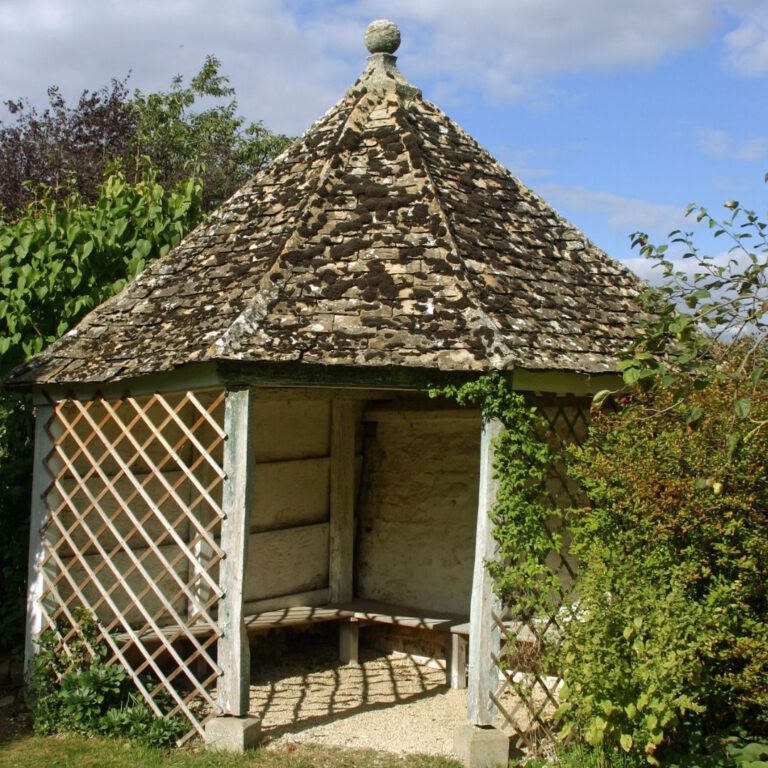
A Bali hut generally maintains its visual appeal for around five summers. After this timeframe, the thatch starts to degrade on the side that faces the elements. As a result, the roof becomes less effective at draining water, turning what was once a charming feature of your garden into an unsightly eyesore that you may wish to ignore.
Gazebos face a similar fate, though the reasons for their decline differ. Wooden versions often succumb to rot at the posts, while metal versions can develop rust at the joints. These problems often go unnoticed until someone leans against the structure, revealing its weaknesses.
This guide provides an in-depth overview of the process involved in removing a Bali hut or gazebo from a backyard in Sydney.
Understanding How Gazebos and Bali Huts Deteriorate
Shade structures typically begin to fail from the ground up, with the weather-exposed side deteriorating inward. Several common areas often show signs of decline.
- Thatch degradation: Alang alang thatch has a limited lifespan. Once it starts to thin, the roof retains moisture instead of shedding it, causing the battens underneath to rot.
- Post rot at ground level: Wooden posts often fail precisely where they meet the soil or concrete. While the tops may appear intact, the bases can be significantly compromised.
- Rust at joints: Steel and aluminium gazebos often deteriorate at the brackets and bolts long before any visible signs of wear appear on the panels.
- Impact of salt air: Structures near the coast frequently suffer from earlier deterioration of powder coating and fasteners, particularly in the eastern and northern suburbs.
- Storm damage: Severe weather can dislodge roofs from structures that are already showing signs of wear.
- Wildlife infestations: Thatch serves as excellent nesting material, attracting possums, rats, wasps, and spiders, which often leads to the decision to remove the structure.
A clear sign of decline is a sagging roofline. This usually indicates that the battens are failing, suggesting that the structure is closer to its end than it might appear from your back door.
Step-by-Step Guide to Safely Dismantling a Bali Hut
The process of dismantling a Bali hut is carried out in reverse order to its construction, with the roof being the largest component of the structure.
To start, the thatch is removed in sections, followed by the battens, the roof frame, and finally, the posts. A common misconception is the underestimation of the weight involved. While dry thatch is relatively light, thatch soaked with water and mixed with decomposed leaves can become extremely heavy and does not come off in neat sections. It also occupies significantly more space on a truck than an equivalent weight of timber, making the bulk of the hut roof a critical factor in planning the removal.
Removing the posts presents another challenge. Most huts have posts set in concrete footings, sometimes secured with brackets or directly buried in the ground. These may either be taken out along with the footings or cut at ground level. It is advisable to make this decision before the removal day to ensure a smooth operation.
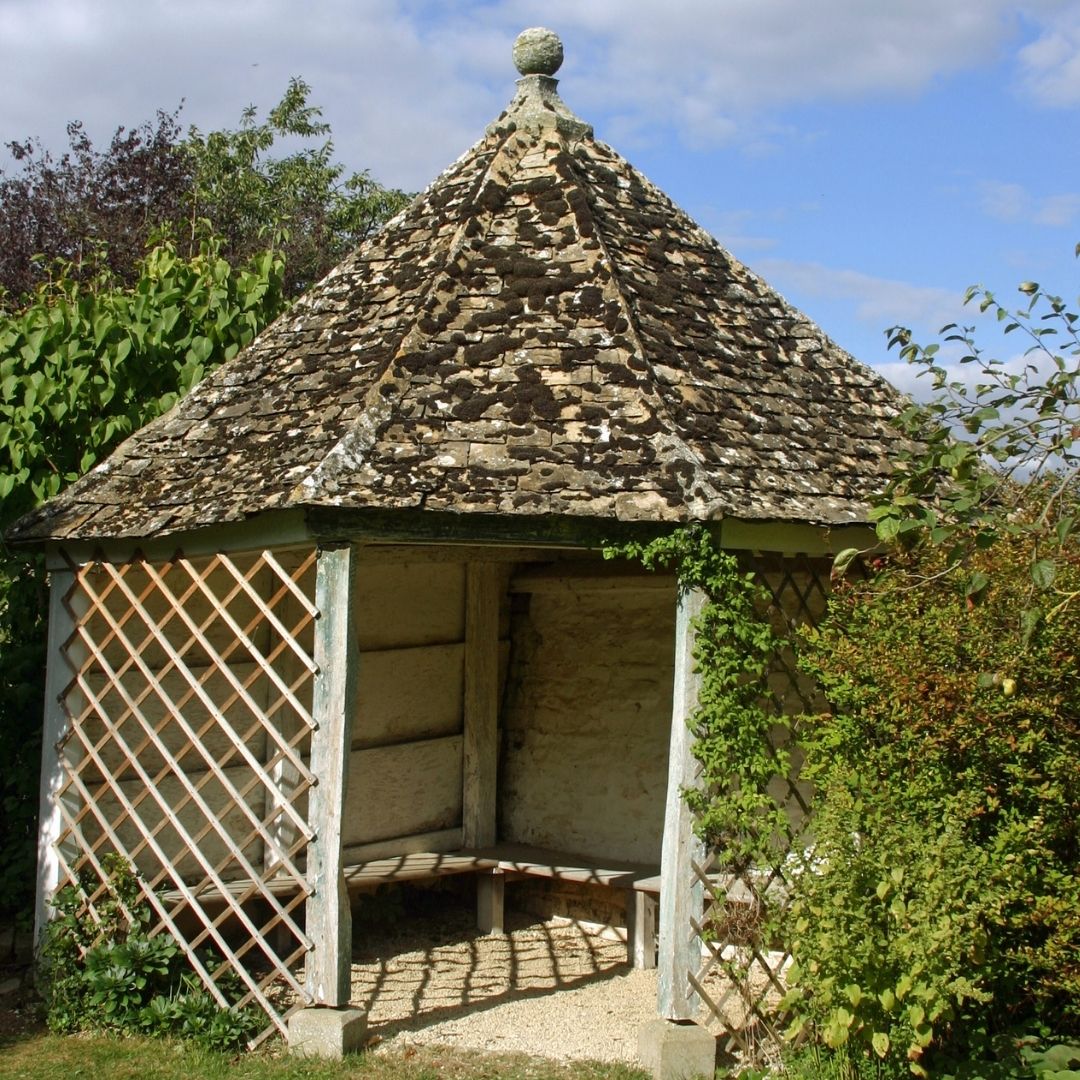
Detailed Process for Gazebo Removal
Freestanding gazebos usually offer a more straightforward removal process. Since they are not connected to a building, the structure can be approached from any side and dismantled in manageable sections.
Timber gazebos typically come apart starting with the roof panels, followed by the beams and finally the posts. While steel and aluminium versions may seem quicker to dismantle, the fixings can present challenges. Bolts exposed to salt air for extended periods often resist removal, necessitating cutting rather than unscrewing, which can prolong the timeline beyond the size of the structure itself.
Any structure attached to the house falls into a different category. Because these structures are integrated into the building, consulting with a builder before proceeding with removal is essential. Addressing this early ensures clarity about who will carry out the work.
Items Commonly Cleared Alongside the Structure
A hut or gazebo alone typically does not fill a truck, and these jobs often involve a more extensive clean-up of the backyard. The area beneath the gazebo frequently contains items in a similar state of disrepair.
- Outdoor furniture: This may include a table with a cracked surface, chairs with worn webbing, and a sun lounge that has remained unused since water began leaking through the roof.
- Old daybeds or bars: These fittings, often included with the hut, typically do not withstand the elements.
- Damaged pots and dead plants: A collection of these items often accumulates around shade structures.
- Green waste: Overgrowth tends to flourish once the area is no longer in use.
- Timber offcuts: Remnants from previous repairs often pile up behind the hut.
- Worn-out shade sails, umbrellas, and mats: These fabrics degrade alongside the structure.
Clearing all these items in one visit is the most efficient approach. Removing the structure, clutter, and green waste together allows you to reclaim your corner of the garden all at once, rather than in stages.
Best Timing for Gazebo or Bali Hut Removal
Two key factors significantly influence the efficiency of the removal process.
The first is weather conditions. Wet thatch is heavier, messier, and more difficult to handle than dry thatch. If possible, waiting for a series of dry days before commencing the job is advisable, as this makes a substantial difference. If waiting is not feasible, the work can still proceed, but be prepared for a heavier load compared to drier months.
The second factor pertains to subsequent tasks following removal. If you have a landscaper, deck builder, or turf team scheduled, ensure that the removal happens well in advance. Clearing the structure the same morning as the next trade arrives does not allow sufficient space for them to work effectively.
Important Considerations for Access, Footings, and Remaining Materials
When booking the service, it is vital to inform the team about:
- The access route: Specify the width of side gates, any steps, and whether materials need to pass through the house or navigate around it.
- The condition of the posts: Indicate whether they rest on pavers, concrete pads, or are directly embedded in the ground.
- Your preference for the footings: Removing them creates holes, while cutting them at ground level results in a flatter finish.
- Nearby obstacles: The presence of a pool, fence line, or neighbouring plants may affect the available working space.
- Items you wish to keep: Identify any slabs, decking, or pavers you want to retain instead of having cleared.
Removing a hut or gazebo typically requires at least two people due to the weight involved. It is crucial to avoid dropping roof sections from a height when someone is underneath.
How to Schedule Removal of a Gazebo or Bali Hut in Sydney
This service is part of our backyard demolition and junk removal offerings, which include freestanding structures and everything that has accumulated around them, including any plant overgrowth from the same area as green waste.
When you contact us, provide details about the structure: its approximate size, whether it is thatch, steel, or timber, how the posts are set, and what else in the yard is being cleared. This information is sufficient to assess the scope of the job.
For further insights, refer to our articles on council hard waste versus private junk removal. These outline why a hut roof is unsuitable for kerbside collection and how to dispose of a piano, addressing similar challenges associated with removing awkward items.
Frequently Asked Questions
Is thatch included in the removal process for a Bali hut?
Yes, the entire structure is removed. Thatch is the bulkiest part of a hut, so it’s essential to mention its age when booking. Thatch that has absorbed water over several seasons is considerably heavier and takes up more space than dry thatch, impacting the load size but not the overall feasibility of the job.
Can a gazebo be removed if it is placed right against a fence?
Typically, yes. The removal process will adjust to accommodate the limited space. If access is restricted on one side, the sections must be worked and lowered toward the open side rather than lifted directly out. Please mention this when you call, along with the distance from the boundary, to ensure proper planning.
What happens to the concrete footings where the posts are set?
The footings may either be removed with the post, leaving a hole to fill, or the post can be cut at ground level, leaving the footing buried. Neither option is inherently correct; if new turf, decking, or paving is planned, consult the contractor responsible for that work to determine their preference, and inform us before we start.
Is it safe to leave a rotting hut standing while I arrange for removal?
A sagging roofline indicates that the area beneath should not be used. Thatch and battens deteriorate gradually before collapsing suddenly, often after rainfall when the roof is at its heaviest. It is wise to keep people and furniture clear from underneath while you organise the removal.
Do you also remove outdoor furniture and pots simultaneously?
Yes, and it is advantageous to do so. The furniture, pots, green waste, and the structure all originate from the same corner of the garden. Clearing them together maximises the use of the truck, ensuring everything is efficiently removed in one trip rather than requiring a second visit for leftover items.
Original Article First Published At: Removing an old gazebo or Bali hut in Sydney
The Article: Removing a Gazebo or Bali Hut in Sydney Efficiently first appeared on https://writebuff.com
The post Efficient Gazebo and Bali Hut Removal in Sydney appeared first on Limits Of Strategy.