Expert Tips for Choosing the Best Ingredients for Praline
How to Select Top-Quality Nuts for Your Praline
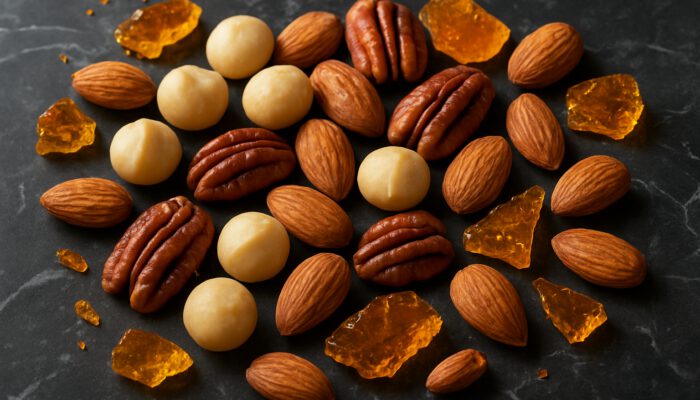
Choosing high-quality nuts is essential for crafting exquisite homemade praline. Nuts such as pecans, hazelnuts, and almonds not only contribute a satisfying crunch but also enhance the overall flavour, harmonising perfectly with rich caramelised sugar. Always opt for fresh, premium varieties, ideally raw or lightly roasted, to preserve their natural oils and taste.
The nuts you select will profoundly influence both the texture and flavour of your praline. For example, pecans bring a luxurious buttery richness, while almonds introduce a more delicate nuttiness. consider sourcing your nuts from reputable suppliers; Australian macadamias, for instance, can offer a distinctive twist, adding depth to your praline’s character.
Inspect your nuts for any signs of rancidity or moisture, as freshness is critical for achieving the desired crunch and flavour balance in your praline. By prioritising high-quality nuts, you lay the groundwork for a remarkable praline that is sure to impress everyone who tastes it.
Which Sugars Best Enhance the Flavour of Praline?
The type of sugar you choose is a vital component that influences the success and taste of your praline. Granulated white sugar is commonly used because of its excellent caramelisation properties, but alternatives like brown sugar or coconut sugar can add unique flavour elements to your confection.
For instance, brown sugar contains molasses, which infuses your praline with a richer, more complex flavour. Conversely, coconut sugar, known for its lower glycemic index, imparts a subtle caramel note that appeals to health-conscious individuals. Experimenting with different sugars can yield exciting and delicious variations in your praline recipes.
Regardless of the sugar type you choose, make sure it is free from clumps and impurities. Clean sugar will facilitate a smoother caramelisation process, giving your praline the perfect glossy finish and satisfying crunch that everyone loves.
Must-Have Measuring Tools for Praline Perfection
Accurate measurements are crucial for successful praline preparation, as precision leads to consistent outcomes. A digital kitchen scale is an essential tool, enabling you to weigh ingredients accurately, which is vital for obtaining the right texture and flavour. Measuring cups and spoons are also useful, especially for liquid ingredients like water or cream.
Utilising a candy thermometer can significantly enhance your praline-making experience. This tool ensures that the sugar reaches the precise temperature required for caramelisation, a crucial factor in achieving that perfect texture. Avoid relying solely on visual indicators, as sugar can quickly transition from perfectly caramelised to burnt if not monitored closely.
Investing in high-quality measuring tools is a wise choice that pays off in the long run. They help you steer clear of common pitfalls that can lead to unsatisfactory results, ensuring that your homemade pralines are delicious and enjoyable every time you make them.
Enhance Your Praline with High-Quality Additional Ingredients
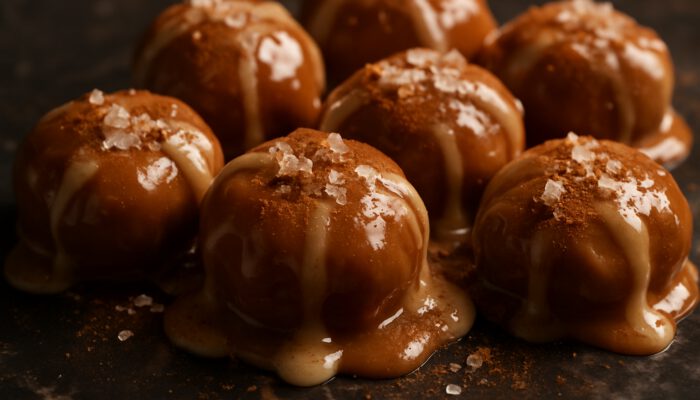
Integrating premium additional ingredients can elevate your homemade praline from merely good to truly exceptional. Elements like pure vanilla extract, sea salt, or spices such as cinnamon can dramatically enhance the overall flavour profile. A dash of vanilla adds warmth, while sea salt provides a delightful contrast to the sweetness of the caramel.
When sourcing these additional ingredients, always opt for pure extracts instead of synthetic alternatives. The difference in flavour will be profound, greatly enhancing the quality of your praline. For salt, consider using flaky sea salt, which adds a pleasing crunch and bursts of flavour that elevate your sweet creation.
Feel free to experiment with other flavourings as well. Ingredients like orange zest or espresso powder can introduce exciting variations that will leave a lasting impression on your friends and family, making your praline a standout treat for any occasion.
Step-by-Step Instructions for Crafting Perfect Praline at Home
What Flavours Pair Best with Praline?
Understanding flavour pairings can significantly enhance the appeal of your praline. Think about combining nuts with complementary flavours such as dark chocolate, sea salt, or spices like cinnamon and nutmeg. These combinations can create unforgettable taste experiences, perfect for various celebrations and gatherings.
For example, pairing pecans with rich dark chocolate and a sprinkle of sea salt results in a sophisticated treat ideal for gifting or special occasions. Alternatively, mixing almonds with a hint of cinnamon evokes a warm, cosy atmosphere, making it perfect for festive gatherings.
Always keep the balance of flavours in mind. The sweetness from the caramelised sugar should harmonise well with the nuttiness of the nuts and any additional flavourings you incorporate. This thoughtful approach will elevate your praline to new heights of deliciousness, captivating everyone who tries it.
Proven Techniques for Crafting Praline in Your Kitchen
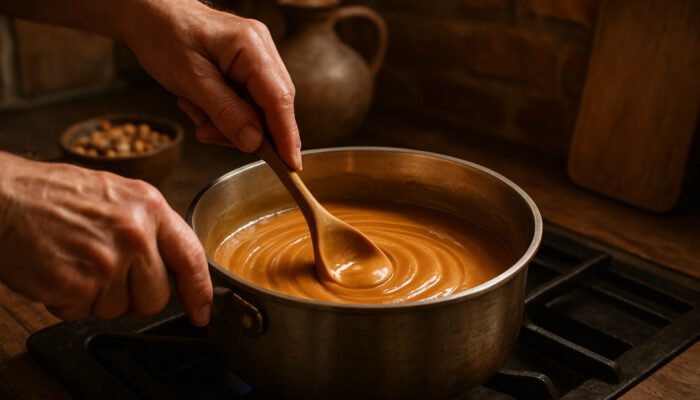
Real-world examples of effective techniques can help you achieve professional-quality pralines right in your kitchen. One effective method is to use a heavy-bottomed saucepan, which ensures even heat distribution and helps prevent hot spots that could lead to burning.
Another technique involves gently stirring the sugar mixture consistently. This practice encourages even dissolution and uniform caramelisation of the sugar. Once the sugar begins to turn golden, stop stirring, as continued agitation can lead to crystallisation, compromising the smooth texture you desire.
Cooling your praline on a silicone mat or parchment paper makes removal easy and prevents sticking. These straightforward yet effective techniques can elevate your homemade pralines to a level that rivals those found in gourmet shops.
A Beginner’s Step-by-Step Guide to Making Praline
If you’re new to making praline, it may seem daunting at first, but with clear steps, it becomes a manageable task. Start by gathering all your ingredients and tools before you begin cooking. This preparation ensures a seamless cooking process without interruptions, allowing you to concentrate fully on the delicious task at hand.
Next, follow a straightforward recipe, paying careful attention to the sugar’s temperature as it heats. Use a candy thermometer to monitor the sugar temperature closely. Once it reaches the desired temperature, quickly add the nuts and stir the mixture to coat them evenly with the caramel.
After pouring the mixture onto a prepared surface, let it cool completely before breaking it into pieces. Don’t be discouraged if your first attempt isn’t perfect; with practice, you will become more skilled and confident in creating delightful homemade pralines that everyone will enjoy.
Key Cooking Techniques for Achieving Praline Success
How to Properly Heat Sugar for Praline Making
Correctly heating sugar is a fundamental technique in praline creation. Gradually increasing the heat to avoid scorching is essential, as burnt sugar can ruin both flavour and texture. Begin with medium heat, allowing the sugar to dissolve entirely before raising the temperature.
As the sugar heats, watch for colour changes. It should transition from clear to a light amber and then to a rich golden hue. This process requires patience, as rushing can lead to burnt sugar. Use a candy thermometer to monitor the temperature, aiming for around 170°C for perfect caramelisation.
Once the sugar achieves the desired colour, promptly remove it from the heat to prevent further cooking. This meticulous attention to detail will ensure your praline attains that ideal balance of sweetness and crunch that everyone craves.
How to Evenly Mix Nuts into the Sugar Mixture
Incorporating nuts into the hot sugar mixture is a critical step that requires swift action for optimal results. As soon as the sugar reaches the right temperature, promptly add your chosen nuts to ensure they are thoroughly coated in caramel.
Gently but quickly stir the mixture, ensuring that each nut receives an even coating of caramel. This step is vital since the sugar hardens rapidly once removed from heat. Aim for an even coating to achieve a consistent texture throughout your praline.
If the mixture begins to harden before you’re finished mixing, briefly return it to low heat to soften it. This technique guarantees that all nuts receive an even coating, resulting in a delightful crunch in every bite of your homemade praline.
Best Cooling Methods for Achieving Perfect Praline Texture
Cooling your praline mixture on appropriate surfaces is key to obtaining the desired texture. After pouring the hot mixture onto a prepared surface, allow it to spread out evenly. Using a silicone mat or parchment paper prevents sticking and facilitates easy removal once set.
Avoid rapid cooling methods such as placing the hot mixture in the fridge or freezer, as this can lead to a grainy texture. Instead, let it cool at room temperature until it is fully hardened, which typically takes around 30 minutes, though this may vary depending on the ambient temperature and humidity.
Once cooled, gently break the praline into pieces, being careful to maintain the integrity of each piece. Using proper cooling techniques will yield a beautifully textured praline that is easy to serve and enjoy.
Smart Strategies for Crafting Homemade Praline
How to Scale Recipes for Different Batch Sizes
Scaling recipes is an invaluable skill in praline making that allows you to accommodate various occasions. For large gatherings, you may need to double or triple the recipe. When doing so, remember to adjust your cooking time and equipment accordingly to ensure the best results.
For example, using a larger pot can help manage a bigger batch of sugar, ensuring even heating throughout. On the other hand, for smaller batches, a smaller saucepan allows for better temperature control, which is particularly crucial for caramelisation.
Maintaining the quality and consistency of your praline is essential, regardless of batch size. Keep a close eye on the temperature and caramelisation process, as these factors remain constant. With practice, you’ll find that scaling recipes becomes second nature, allowing you to create pralines for any occasion with ease.
Mastering Timing for Impeccable Praline Making
Timing is a critical factor in the praline-making process. Each stage demands careful attention to ensure flawless outcomes. From the moment you start heating the sugar, monitor it closely, as the transition from clear to caramel can happen rapidly, requiring vigilance.
When it’s time to add the nuts, timing is equally important. Incorporate them just as the sugar reaches the desired colour; delaying this step could result in a hardened mixture that won’t coat the nuts evenly, compromising the final product.
Allow adequate cooling time; rushing this stage can lead to a chewy texture instead of a crunchy one. By mastering timing, you ensure that your praline turns out perfectly every time, showcasing your impressive kitchen skills to family and friends.
What Effective Methods Can I Use to Test Sugar Doneness?
Testing the doneness of your sugar mixture is crucial for successfully forming praline. One effective method is the cold water test: drop a small amount of heated sugar into a glass of cold water. If it forms a hard ball, it is ready for the next step.
Alternatively, rely on your candy thermometer. The ideal temperature for praline is roughly 170°C. This precise measurement ensures that the sugar has reached the perfect stage for caramelisation without burning, resulting in a delightful texture.
Regularly testing the mixture during cooking helps you avoid overcooking or undercooking, which can lead to disappointing results. With practice, you’ll develop an instinct for knowing when your sugar is just right, leading to consistently excellent results in your homemade praline.
Best Storage Practices to Keep Praline Fresh
Properly storing your praline creations is essential for maintaining their freshness and delightful crunch. Once cooled, place the pralines in airtight containers to prevent moisture absorption, which can lead to a chewy texture that detracts from their appeal.
Consider using glass jars or plastic containers with tight-fitting lids, as these options effectively protect against humidity and air exposure. Label your containers with the date to keep track of freshness, ensuring you enjoy your pralines while they are at their best.
Store your pralines in a cool, dry area away from direct sunlight. This simple storage solution will keep your pralines fresh and crunchy for up to two weeks, allowing you to enjoy your delicious homemade treats over time without losing quality.
Understanding the Impact of Temperature on Praline Outcomes
The Significance of Monitoring Heat Levels During Cooking
Monitoring heat levels throughout the cooking process is vital for achieving perfect praline. Gradually heating the sugar helps avoid scorching, which can ruin both flavour and texture. Begin with medium heat, allowing the sugar to dissolve completely before raising the temperature.
As the sugar heats, observe the colour change. It should shift from clear to a light amber and finally to a rich golden hue. Patience is essential, as rushing can lead to burnt sugar. Use a candy thermometer to keep track of the temperature, aiming for around 170°C for ideal caramelisation.
Once the sugar reaches the desired colour, promptly remove it from heat to prevent further cooking. This careful attention to detail is essential to ensure your praline achieves the perfect balance of sweetness and crunch that is so desirable.
How Room Conditions Influence Praline Consistency
Room conditions can significantly affect the cooling and setting of your praline. High humidity can cause the sugar to absorb moisture, leading to a chewy texture instead of the desired crunch. If you live in a humid climate, consider using a dehumidifier or air conditioning to maintain a controlled environment during your praline-making process.
Conversely, dry conditions may facilitate quicker cooling, which could necessitate adjustments to your cooling time. Monitor the setting of your praline closely, as it may harden faster than expected in dry air conditions.
Being aware of your kitchen’s environmental conditions enables you to make necessary adjustments, ensuring that your praline turns out perfectly every time, regardless of external weather influences.
Adjusting Temperatures for Consistency in Praline Making
Making adjustments to temperatures based on your observations is crucial for refining your praline-making process. Each batch may behave differently due to variations in humidity, sugar type, or even the size of your saucepan.
If you notice that your sugar is caramelising too quickly, reduce the heat slightly. Conversely, if it’s taking too long, you can increase the heat a bit, but be cautious not to scorch the sugar. This level of flexibility will lead to improved results over multiple attempts.
Keep a record of your adjustments each time you make praline. This practice helps you identify patterns and refine your technique, ultimately resulting in consistently excellent homemade pralines that will impress everyone.
Maintaining Precise Temperature Control for Praline Perfection
Using a reliable thermometer to monitor the sugar mixture is essential for achieving the right crystallisation, which prevents issues like undercooking or overcooking that can ruin your praline’s texture.
Aim for a temperature of approximately 170°C for perfect caramelisation. At this stage, the sugar will have reached the ideal consistency for evenly coating the nuts. Avoid relying solely on visual cues, as sugar can transition quickly from perfect to burnt if not watched closely.
By ensuring precise temperature control, you can guarantee that your praline turns out beautifully every time. This attention to detail is what distinguishes amateur attempts from professional-quality results in your praline-making journey.
The Effects of Rapid Cooling on Praline’s Final Texture
Rapid cooling techniques can significantly impact the final texture and appearance of your praline. Cooling the mixture too quickly may result in a grainy texture instead of the smooth consistency you desire.
To prevent this, allow the praline to cool gradually at room temperature. If you’re pressed for time, you can place it in a cooler part of your kitchen, but avoid the fridge or freezer, as these can shock the mixture and lead to undesirable outcomes.
Careful management of cooling techniques ensures that your praline maintains its glossy finish and delightful crunch. This attention to detail is essential for achieving optimal results in your homemade praline that will leave everyone wanting more.
Final Steps for Perfecting Your Praline Creations
How to Break Praline into Perfect Portions
Breaking your cooled praline into even portions is the concluding step in the praline-making process. Once the mixture has hardened, use a sharp knife or a mallet to break it into pieces. Aim for uniform sizes to create a polished appearance, making serving much easier for you and your guests.
Consider using a cutting board or a clean surface to avoid damaging your countertops while breaking the praline. If the praline is too hard, gently warm it slightly to facilitate breaking. This technique helps maintain the integrity of each piece, ensuring they remain visually appealing and intact.
After breaking, arrange the pieces attractively on a serving platter or in a gift box. This thoughtful presentation adds an extra touch, making your homemade praline even more enticing for guests or special occasions.
Storage Solutions to Keep Your Praline Fresh and Delicious
To preserve your praline’s freshness over time, consider these key storage tips. First and foremost, store your praline in an airtight container to prevent moisture absorption, which can lead to a chewy texture that detracts from its appeal.
Here are some effective storage solutions:
- Glass jars with tight-fitting lids
- Plastic containers with airtight seals
- Vacuum-sealed bags for long-term storage
- Avoid exposure to direct sunlight and heat sources to maintain quality
Label your containers with the date to keep track of freshness. Proper storage will maintain your pralines’ crunchiness and deliciousness for up to two weeks, allowing you to savour your homemade treats at their best.
Innovative Serving Ideas to Showcase Your Praline
Implementing innovative serving ideas can greatly enhance the visual appeal of your pralines and make them more inviting for guests. Present them on a decorative platter, garnished with fresh fruits or edible flowers for a stunning display. This not only enhances the visual aspect but also elevates the overall experience for everyone enjoying your treats.
Another option is to serve pralines alongside a selection of cheeses or charcuterie. The sweet and salty contrast creates a delightful pairing that will surprise and delight your guests. For a more casual setting, consider placing pralines in small paper cups or bags for convenient snacking that everyone will appreciate.
These unique serving ideas will make your homemade pralines a standout feature at any gathering, ensuring they are not just a treat but a memorable experience for all involved.
Thoughtful Packaging Ideas for Gifting Your Praline
Choosing suitable packaging options is vital for protecting your pralines while enhancing their visual appeal for gifting. Consider using decorative boxes, clear cellophane bags, or even mason jars for a rustic and charming touch.
When packaging, ensure that the pralines are separated with parchment paper or tissue to prevent them from sticking together. This attention to detail not only keeps them intact but also adds an extra layer of thoughtfulness and care to your gift.
Take into account the climate conditions in your area when choosing packaging. In warmer climates, select packaging that can withstand heat and humidity without compromising the quality of your pralines. Thoughtful packaging will transform your pralines into irresistible gifts for any occasion, showcasing your culinary skills and creativity.
Common Questions about Crafting Praline
Which Nuts Are Best for Making Praline?
Pecans, almonds, and hazelnuts are excellent choices for praline due to their rich flavours and appealing textures. Fresh, high-quality nuts will significantly enhance the overall taste and crunch of your praline creations.
Can I Substitute Brown Sugar for White Sugar in Praline?
Yes, brown sugar can be an excellent alternative in praline making, imparting a deeper flavour profile due to its molasses content. This substitution may slightly alter the colour and taste, creating a unique variation that stands out.
How Do I Determine When the Sugar Is Ready for Praline?
You can test sugar doneness using a candy thermometer, aiming for a temperature of around 170°C. Alternatively, drop a small amount into cold water; it should form a hard ball when ready, indicating it is perfect for praline.
What Should I Do If My Praline Turns Out Too Hard?
If your praline is overly hard, you can gently warm it slightly to soften it. This adjustment will make breaking it into pieces easier without compromising its structure, allowing you to serve it beautifully.
What Is the Best Method for Storing Pralines?
Store pralines in an airtight container in a cool, dry place away from direct sunlight. This will help maintain their freshness and crunch for up to two weeks, ensuring you can enjoy your delightful treats for longer.
Is It Possible to Add Flavourings to My Praline?
Absolutely! Incorporating flavourings like vanilla extract, sea salt, or even spices can elevate the taste of your praline, leading to unique and delicious variations that everyone will love.
How Long Does It Take for Praline to Cool Completely?
Typically, praline takes around 30 minutes to cool completely at room temperature. Avoid rapid cooling methods, as they can lead to undesirable texture changes and affect the final product’s quality.
Is Praline an Ideal Gift Option for Special Occasions?
Absolutely! Praline makes a fantastic gift. Package it in decorative boxes or jars, ensuring it is protected and visually appealing for recipients, making for a thoughtful and delicious present.
Can I Use a Microwave to Make Praline?
While it is indeed possible to use a microwave for making praline, traditional stovetop methods offer better control over temperature and caramelisation, resulting in superior outcomes and flavours.
What Can I Do with Leftover Praline After Making It?
Leftover praline can be crushed and used as a topping for desserts, ice cream, or incorporated into baked goods for added crunch and flavour, ensuring nothing goes to waste while adding a delightful twist to other dishes.
Join us on Facebook for more culinary inspiration!
The post How To Make Homemade Praline From Scratch: Simple Steps appeared first on https://cookinggods.com
The Article Homemade Praline from Scratch: Easy Step-by-Step Guide Was Found On https://limitsofstrategy.com