Exploring the Importance of Cat Scratching Habits
Why Do Cats Scratch Different Surfaces?
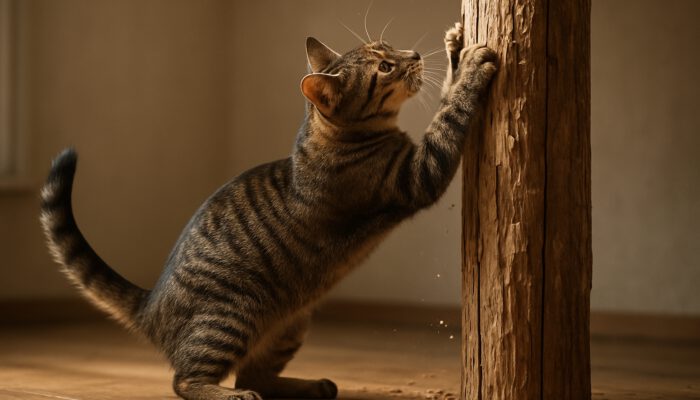
Cats exhibit scratching as a fundamental behavioural instinct that satisfies several essential needs. Maintaining claw health is one of the most critical reasons for this behaviour, allowing cats to shed old claw layers while keeping their claws sharp and strong. Moreover, cats scratch to establish territorial markers, as this action releases pheromones from scent glands located in their paws. This not only signals their presence to other animals but also reinforces their claim over their personal space. Additionally, scratching acts as a muscle-stretching exercise, enhancing physical fitness and agility. Recognising and addressing these innate needs during training is vital, enabling owners to promote positive scratching behaviour while reducing damage to furniture and other possessions.
To fully understand the motivations behind scratching, consider these common reasons:
- Maintaining claw health
- Marking territory with scent
- Stretching and exercising muscles
- Relieving stress or anxiety
- Engaging in instinctive behaviour
- Exploring various textures and surfaces
- Creating a sense of security within their environment
These motivations highlight the intricate nature of scratching, emphasising the necessity to provide appropriate alternatives that cater to these instincts. Ultimately, this strategy facilitates effective training.
How to Choose the Best Scratching Materials for Your Cat?
Selecting the right scratching post is crucial for motivating your cat to use it consistently. Cats have distinct preferences for textures and materials, significantly influencing their inclination to scratch designated surfaces. Durable materials such as sisal, cardboard, and wood are favoured choices that replicate the natural surfaces cats typically encounter in their environment. For instance, sisal provides a robust texture that meets scratching needs, while cardboard offers a softer alternative that many cats find enjoyable and engaging.
When selecting scratching posts, consider these essential factors to ensure durability and long-lasting use:
- Durability: Choose materials that can endure frequent use without tearing or collapsing.
- Height: Opt for posts that accommodate your cat’s preferred scratching posture, whether they favour vertical or horizontal scratching.
- Stability: Ensure the post stands firmly during use to prevent frustration.
- Attractiveness: Select designs that visually appeal to your cat, incorporating colours or patterns they are drawn to.
- Variety: Provide a mix of different materials and styles to cater to various scratching habits.
By aligning your selections with your cat’s natural preferences, you can create an environment that encourages them to favour their scratching post over furniture or carpets.
What Common Challenges May Arise During Scratching Post Training?
Training cats to use scratching posts can lead to several challenges, often stemming from their independent nature and initial unfamiliarity with new objects. Resistance to using scratching posts is a frequent issue, as cats may initially ignore them completely. This indifference often arises from their lack of association between the post and positive experiences. Therefore, fostering acceptance of the post requires patience and keen observation on the owner’s part.
To encourage consistent behaviour, consider applying positive reinforcement techniques that promote exploration and interaction. For instance, placing enticing treats or favourite toys near the post can spark curiosity and invite engagement. If your cat shows resistance, avoid using forceful methods or punishment, as these can create negative associations. Instead, offer gentle encouragement and establish an inviting atmosphere that promotes exploration. By understanding common challenges in training, you equip yourself with the tools to navigate these obstacles effectively and guide your cat toward developing healthy scratching habits.
What Steps Should You Follow to Begin Training Your Cat?
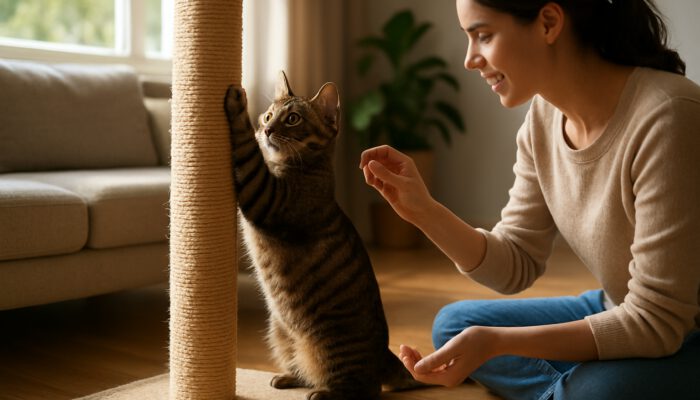
What Initial Steps Can Encourage Scratching Behaviour?
Starting the training process involves creating an engaging and enjoyable environment that captures your cat’s interest in the scratching post. Short, interactive sessions can effectively capture attention and foster a positive association with the new object. Begin by positioning the scratching post in a central area where your cat frequently spends time, ensuring it is convenient and accessible for them.
Use treats or toys to attract your cat closer to the post, encouraging them to investigate it. For example, you could dangle a favourite toy or scatter a few treats near the post to prompt exploration. Celebrate any interaction, regardless of how minor it may be—whether it’s a sniff, a pawing motion, or a full scratch. This foundational approach not only promotes initial engagement but also helps establish a quick routine. Celebrate these small victories, focusing on creating a stress-free learning environment that prioritises enjoyment and rewards.
How to Identify Signs of Interest in Scratching Posts?
Recognising signs of interest in scratching posts is crucial for tailoring your training approach effectively. Cats communicate their curiosity through body language, and observing these cues allows you to respond appropriately. Look for behaviours such as pawing at the post, sniffing around it, or exhibiting playful antics nearby. When your cat displays these signals, it indicates that they are beginning to explore the post as a potential scratching option, presenting a prime opportunity to reinforce positive behaviour.
Once you notice these indicators, it is essential to respond with immediate praise or rewards. Such reinforcement solidifies the idea that the scratching post is a desirable object. If your cat actively engages, reward them promptly with treats or affectionate petting. Recognising these signs of interest and acting on them ensures timely reinforcement, fostering a positive relationship between your cat and their scratching post, ultimately increasing the likelihood of habitual use.
How to Seamlessly Integrate Scratching Posts into Daily Routines?
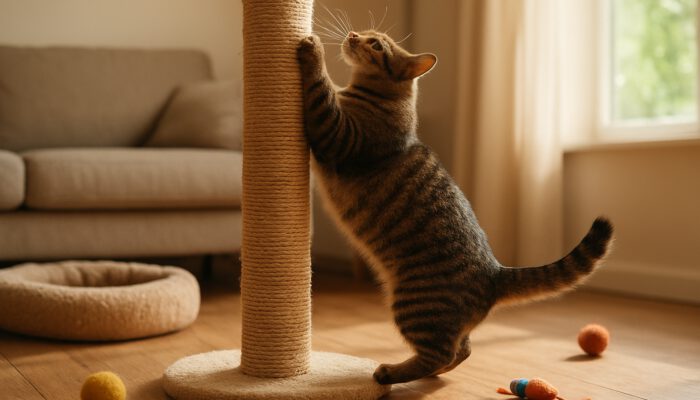
To encourage regular use of scratching posts, it is vital to integrate them into your cat’s daily routines. Position the posts in high-traffic areas where your cat spends significant time, such as near their favourite resting spots or play zones. This strategic placement not only increases visibility but also encourages spontaneous interactions throughout the day.
Making the scratching post a habitual part of their environment can significantly enhance engagement. During playtime, for example, involve the post in activities by encouraging your cat to jump or climb on it as part of the game. This creates a natural association between play and scratching, reinforcing the notion that the post is both entertaining and rewarding. By seamlessly integrating scratching with everyday activities, you support ongoing engagement and nurture a consistent habit, ensuring that your cat views the scratching post as an integral aspect of their environment.
What Rewards Should Be Used to Foster Successful Scratching Behaviour?
Implementing rewards into your training strategy is crucial for fostering positive behaviours around the scratching post. When your cat uses the post, immediate rewards, such as treats or verbal praise, significantly enhance their motivation to repeat the action. By acknowledging successful scratching with positive reinforcement, you solidify the behaviour, making it more likely that your cat will continue to favour the post in the future.
Timing plays a critical role when rewarding your cat. Offer treats or praise immediately after they scratch the post, ensuring that they connect the positive outcome directly with the action. This connection is vital for reinforcing the desired behaviour. Consistency in rewards is equally important; aim to reward every successful interaction, particularly in the early stages of training. As your cat becomes more accustomed to using the post, you can gradually reduce the frequency of rewards while still providing praise to maintain motivation. This structured approach to reinforcement not only encourages repeated use of the scratching post but also strengthens the bond between you and your feline companion.
How to Gradually Increase Scratching Sessions Over Time?
As your cat becomes more comfortable with the scratching post, the next step is to gradually extend the duration they spend using it. Start with brief sessions that allow your cat to explore without feeling overwhelmed. This method effectively builds their confidence and ensures they associate the post with positive experiences.
As your cat becomes more engaged, slowly increase the duration of each session. For instance, begin with just a few minutes of scratching and gradually extend this to ten or fifteen minutes as they adapt. This progressive approach allows your cat to familiarise themselves with the post at their own pace, reducing the chances of anxiety or stress. Additionally, monitor your cat’s reactions to the increased time; if they seem hesitant or lose interest, scale back and let them dictate the pace. By ensuring that each session remains positive and stress-free, you will foster a lasting habit that promotes regular scratching.
Proven Techniques for Successful Cat Scratching Training
What Advanced Strategies Can Enhance Reinforcement of Scratching Behaviour?
To boost the effectiveness of your training, consider incorporating advanced strategies for reinforcement that align with your cat’s natural instincts. One effective method is the use of pheromone sprays, which can be applied to the scratching post to attract cats and encourage usage. These sprays mimic natural scents that cats find appealing, creating a welcoming environment that invites exploration and interaction.
In addition to pheromone sprays, you might explore various enrichment techniques that stimulate engagement. For instance, consider placing catnip near the post or utilising automated toys that promote movement and play. Real-world examples from behavioural studies indicate that these techniques can significantly enhance the likelihood of successful scratching. By employing these advanced methods, you foster an environment that not only supports scratching but also enriches your cat’s overall experience, making training more effective and enjoyable.
How to Tailor Training Approaches Based on Individual Cat Personalities?
Every cat possesses a distinct personality that profoundly impacts their training experience. Customising your approach to suit their individual traits can lead to more successful outcomes. For example, playful cats often respond positively to interactive toys and engaging activities that involve the scratching post. Conversely, shy or cautious cats may require a gentler approach, focusing on creating a calm environment where they feel safe to explore.
When adjusting your training techniques, pay close attention to your cat’s responses and preferences. If your cat is playful, enhance their experience by introducing toys that prompt them to interact with the post, effectively merging playtime with scratching. On the other hand, for shyer cats, consider using soft voices and gentle encouragement while allowing them to approach the post at their own pace. This personalised strategy demonstrates a deep understanding of your cat’s characteristics and increases the likelihood of successful training by addressing their specific needs.
What Methods Should Be Employed to Monitor Training Progress Over Time?
Tracking your cat’s progress throughout the training process is essential for ensuring ongoing success. Simple logs can help you monitor improvements and identify patterns in behaviour. For instance, keep notes on how frequently your cat uses the scratching post and any changes in their engagement levels. This information allows you to evaluate the effectiveness of your methods and make informed adjustments as needed.
As you monitor progress, consider employing expert phrasing to interpret behaviours. For example, note if your cat exhibits increased confidence or enthusiasm towards the post over time. Analysing these behaviours can provide valuable insights into adjusting methods for sustained results. If you find that your cat is still hesitant or shows signs of regression, reassess your training approach and consider introducing new techniques or rewards. Regularly evaluating progress not only helps maintain training momentum but also reinforces the bond between you and your cat, fostering a positive scratching habit.
How to Incorporate Play into Cat Training Routines?
Integrating play into your training routines can significantly enhance your cat’s engagement and strengthen the learning experience. By incorporating interactive toys and games into training sessions, you create a dynamic environment that makes the scratching post more appealing. Choose toys that encourage movement and mimic natural hunting behaviours, such as feather wands or laser pointers, to capture your cat’s attention and entice them to explore the post.
Research indicates that playful methods lead to quicker learning and stronger cat-trainer bonds. For example, during playtime, you can guide your cat towards the scratching post by using a wand toy that directs their movement in that direction. As they engage with the post, offer praise and rewards to reinforce the connection between play and scratching. This integrated approach not only makes training enjoyable for both you and your cat but also ensures that the scratching post becomes a central feature in their play routine, encouraging consistent use.
How to Tackle Common Training Challenges?
Throughout the training process, you may encounter challenges such as fear or distraction that can hinder progress. Addressing these obstacles requires expert strategies tailored to your cat’s specific needs. For instance, if your cat shows fear of the scratching post, create a low-pressure environment by placing the post in a quiet area and allowing your cat to approach it at their own pace. Gradually introducing the post during calm moments can help build their confidence.
If distraction poses an issue, consider implementing focused training sessions free from external disturbances. Close curtains, turn off loud music, or remove other pets for a brief period so your cat can concentrate on exploring the scratching post. Furthermore, employing patience-building techniques, such as offering treats for proximity to the post, can encourage your cat to engage without feeling overwhelmed. By employing these tailored interventions, you can effectively navigate training challenges and restore progress toward achieving the desired outcomes.
What Are the Major Benefits of Scratching Posts for Cats?
How Do Scratching Posts Prevent Damage to Household Items?
Scratching posts serve as an effective means to protect household items from damage. By providing a designated surface for scratching, these posts redirect cats away from furniture, carpets, and other precious belongings. This redirection not only minimises the risk of destruction but also fosters a harmonious living space that benefits both cats and their owners. When cats have a suitable outlet for their natural scratching instincts, they are less likely to resort to inappropriate surfaces, thus preserving the integrity of your home environment.
Moreover, the presence of scratching posts can alleviate stress for owners who might otherwise worry about the condition of their furniture or belongings. By fulfilling a cat’s natural need to scratch, owners can enjoy peace of mind, knowing that their pet is engaging in healthy behaviour. This positive reinforcement creates a mutually beneficial situation where cats feel fulfilled and secure, and owners experience less frustration over potential damage.
Why Are Scratching Posts Essential for Cat Health and Well-being?
Scratching posts play a crucial role in supporting overall cat health and well-being. Regular use of these posts helps maintain claw health by preventing overgrown nails, which can lead to discomfort or injury. Healthy claws are vital for a cat’s ability to climb, scratch, and engage in natural behaviours. Moreover, scratching provides necessary physical exercise, promoting agility and strength in your feline companion.
Recognising the significance of scratching posts encourages owners to prioritise them as an essential component of feline care. By providing cats with opportunities to scratch, exercise, and maintain their claws, owners contribute to their overall health and happiness. Investing in scratching posts becomes a proactive measure in ensuring that cats remain healthy, active, and content, ultimately enriching their quality of life.
What Role Do Scratching Posts Play in Managing Behaviour?
Scratching posts are essential tools in managing cat behaviour, especially regarding anxiety-related scratching. By providing an outlet for scratching, these posts can help alleviate stress and frustration that may lead to undesirable behaviours. When cats have appropriate surfaces to scratch, they are less likely to engage in destructive activities, fostering a calmer environment for both cats and their owners.
Additionally, scratching posts can serve as positive reinforcement tools, encouraging desired behaviours while helping to redirect negative tendencies. For example, if a cat tends to scratch furniture out of boredom or anxiety, introducing a scratching post can provide a healthy distraction. This aspect of behaviour management supports the development of positive habits, thus maintaining a peaceful household and contributing to the overall well-being of both cats and their human companions.
What Research-Backed Strategies Can Ensure Effective Training?
What Key Principles Can Be Derived from Animal Behaviour Studies?
To train cats effectively, it’s critical to apply principles derived from animal behaviour studies that emphasise reward-based learning. This approach focuses on reinforcing positive behaviours rather than punishment, fostering a more trusting relationship between the cat and owner. Implementing strategies that highlight consistency and positive reinforcement can yield reliable results, ensuring that cats associate scratching posts with rewarding experiences.
For instance, when introducing a scratching post, establish a routine that incorporates regular rewards for successful interactions. This can include treats, praise, or playtime. By consistently rewarding your cat for using the post, you create a strong association between the behaviour and positive outcomes. As your cat becomes accustomed to this routine, they will be more inclined to seek out the scratching post autonomously, leading to lasting positive behaviours. Adhering to these key principles from animal behaviour studies promotes effective training strategies that enhance overall success.
How to Combine Scratching Posts with Interactive Play for Enhanced Engagement?
Integrating interactive play with scratching posts can significantly boost training effectiveness. By incorporating engaging toys and activities that stimulate your cat’s natural instincts, you make the scratching post a more enticing option. For example, using feather wands or laser pointers can draw your cat’s attention towards the scratching post, encouraging them to explore and interact with it while having fun.
Research suggests that combining scratching with play enhances overall engagement and makes the training process enjoyable. When your cat associates the post with excitement and play, they are more likely to use it regularly. Consider incorporating short, playful sessions where you alternate between play and encouragement to use the post. This technique not only reinforces the desired behaviour but also fosters a stronger bond between you and your cat, creating a positive training experience that yields lasting results.
What Long-Term Maintenance Tips Should Be Followed for Scratching Posts?
To ensure ongoing engagement with scratching posts, it’s essential to implement evidence-based maintenance tips that keep the posts appealing over time. One effective strategy is to rotate the location of the posts periodically, which can reignite your cat’s interest and encourage exploration. Cats can become accustomed to their environment, so relocating the scratching post can stimulate curiosity and promote interaction.
In addition to relocations, consider refreshing the posts with new materials or adding additional features, such as toys or resting areas. Real-world examples demonstrate that periodically upgrading scratching posts can maintain your cat’s interest and encourage continued use. This proactive approach not only reinforces the habit but also enhances your cat’s overall environment, ensuring they remain engaged and satisfied with their scratching options.
When Should You Consider Adjustments to Training Techniques?
How to Identify Ineffective Training Methods?
Recognising ineffective training is crucial for ensuring a successful approach to teaching your cat to use scratching posts. Signs such as persistent scratching of furniture or a lack of interest in the post are clear indicators that adjustments may be necessary. If your cat consistently avoids the scratching post or seems disinterested, it’s vital to reassess your techniques and environment to identify potential barriers to success.
Moreover, observe your cat’s body language and behaviour. If they display signs of stress or reluctance when near the post, it may indicate that the environment is not conducive to positive exploration. Paying close attention to these signals allows you to make timely corrections, ensuring that the training process remains enjoyable for your cat and fosters better outcomes.
What Factors Can Affect the Speed of Training Progress?
Several factors can influence the speed of progress in training your cat to use scratching posts. One significant factor is age; younger cats tend to be more inquisitive and adaptable, making them generally easier to train than older cats, who may exhibit established behaviours. Additionally, environmental variables, such as the presence of other pets or distractions, can impact how quickly a cat adapts to a new scratching post.
The individual personality of your cat also plays a vital role. Some cats are naturally more curious and willing to explore new objects, while others may be more cautious or shy. Evaluating these factors enables you to tailor your training approach and set realistic expectations for progress. By understanding your cat’s unique circumstances, you can create an effective training environment that fosters quicker adaptation and encourages successful scratching habits.
How to Assess the Overall Effectiveness of Your Training Efforts?
Evaluating the overall effectiveness of your training efforts is crucial for maintaining ongoing success. To determine if your cat is using the scratching post regularly, monitor their interactions and behaviours over time. If your observations indicate that the post is being utilised consistently, it suggests that your training methods are effective. Conversely, if scratching behaviour remains directed towards furniture or other inappropriate surfaces, it may signal the need for adjustments.
Regularly assessing your cat’s engagement with the scratching post allows you to determine whether to continue implementing current methods or explore new techniques. Being proactive in evaluating effectiveness promotes better outcomes and helps maintain positive behaviours, ultimately resulting in a satisfied and well-adjusted feline companion.
When Should You Seek Expert Guidance for Training Adjustments?
If standard training techniques fail to yield results, it may be time to consult experts for guidance. Situations requiring professional advice can include persistent avoidance of the scratching post or concerning changes in your cat’s behaviour. Seeking input from a veterinarian or cat behaviour specialist can provide valuable insights into potential underlying health issues or environmental stresses that may be impacting your cat’s willingness to engage.
Experts can also offer tailored strategies specific to your cat’s unique personality and circumstances. By leveraging their knowledge and experience, you can make informed adjustments to your approach, ultimately fostering a successful training experience for you and your cat. Engaging with professionals can enhance your understanding of feline behaviour and provide the tools necessary for achieving desired outcomes.
How to Effectively Implement Training Changes?
When adjustments are identified, implementing them effectively is crucial for maintaining progress and fostering positive behaviours. Begin by applying changes gradually, testing new methods one at a time to gauge your cat’s response. This approach allows you to observe how your cat adapts without overwhelming them with numerous shifts at once.
Monitor your cat closely during this process, paying attention to their reactions and preferences. If a particular adjustment seems to resonate, continue incorporating it into your routine. Conversely, if a change does not yield the desired results, reassess and try alternative techniques. By employing a step-by-step approach to implementation, you ensure that your training process remains supportive and positive, ultimately leading to lasting improvements in your cat’s scratching habits.
Effective Strategies for Establishing Scratching Habits
How to Create a Consistent Reward System?
Establishing a consistent reward system is fundamental for reinforcing the use of scratching posts and building lasting habits. By creating routines with treats, you encourage your cat to associate the scratching post with positive experiences. This approach solidifies behaviour through regular positive reinforcement.
Consider implementing the following reward strategies:
- Use high-value treats that your cat loves.
- Provide verbal praise and affection immediately after scratching.
- Incorporate playtime as a reward following successful use of the post.
- Vary rewards to keep your cat engaged and motivated.
By consistently rewarding your cat for using the scratching post, you strengthen the habit over time, ensuring that they perceive it as a preferred option for satisfying their natural instincts.
What Techniques Can Encourage Independent Use of Scratching Posts?
Promoting independent use of scratching posts fosters self-reliance in your cat and strengthens their habit. Gradually reduce your direct involvement in the process, allowing your cat to explore and scratch on their own. This method encourages autonomy and reinforces their ability to make positive choices regarding their behaviour.
To support this independence, start by allowing your cat to approach the post without prompting. If they engage with it, reward them with treats or praise, reinforcing the positive behaviour. Over time, create opportunities for your cat to explore the post without your presence, promoting their confidence in using it. By fostering self-reliance, you establish a strong foundation for consistent scratching behaviour that continues even in your absence.
How to Reinforce Training with Environmental Cues?
Utilising environmental cues can significantly enhance the effectiveness of your training efforts. By integrating subtle signals that guide your cat towards the scratching post, you reinforce the habit and make it a natural choice. For instance, consider using scents that appeal to your cat, such as catnip or pheromone sprays, to create an inviting atmosphere around the post.
Additionally, strategically placing the scratching post near areas where your cat frequently relaxes or plays can reinforce its presence in their environment. By associating the post with positive elements in their daily routine, you create a seamless connection that encourages consistent use. This technique enhances the training experience by making the scratching post a natural and appealing option, further solidifying the habit over time.
Frequently Asked Questions About Cat Scratching Behaviour
How Can I Tell if My Cat Enjoys Their Scratching Post?
Look for signs of interest, such as pawing, sniffing, or playfully engaging with the post. Positive interactions indicate enjoyment, while avoidance may suggest a need for adjustments.
What Should I Do If My Cat Ignores the Scratching Post?
If your cat disregards the post, try placing treats or favourite toys nearby to encourage exploration. Gradually introduce it during playtime to create positive associations.
How Often Should I Reward My Cat for Using the Scratching Post?
Initially, reward your cat every time they use the post. As they become more accustomed to it, you can gradually reduce rewards while continuing to offer praise.
Is It Beneficial to Use Multiple Scratching Posts?
Definitely! Providing multiple scratching posts in various locations can cater to your cat’s preferences and encourage consistent use. Variety keeps their environment engaging.
What Materials Are Best for Scratching Posts?
Durable materials like sisal, cardboard, and wood are ideal for scratching posts. Each offers different textures that cater to various scratching preferences.
How Can I Maintain My Cat’s Interest in the Scratching Post Over Time?
Rotate the location of the scratching post, refresh it with new materials, or incorporate play into training to keep the experience engaging and appealing.
What Signs Indicate My Cat Is Stressed About the Scratching Post?
Signs of stress may include avoidance, hissing, or aggression towards the post. If your cat displays these behaviours, reassess the environment and approach.
How Long Should Training Take for My Cat to Consistently Use the Scratching Post?
Training duration varies by cat. Some may adapt in a few days, while others might take weeks. Patience and consistent positive reinforcement are essential.
Are There Alternatives to Scratching Posts?
Yes, alternatives include scratching pads, mats, or furniture with built-in scratching surfaces. These options can cater to different preferences and encourage scratching behaviour.
When Should I Consider Consulting an Expert About My Cat’s Scratching Behaviour?
If your cat persistently avoids the scratching post or exhibits concerning behaviours, consider consulting a veterinarian or behaviour specialist for tailored advice and support.
Join our community on Facebook!
The Article Teaching Cats to Use Scratching Posts: Effective Tips First Published On https://elgatoencasa.com
The Article Effective Tips for Teaching Cats to Use Scratching Posts Was Found On https://limitsofstrategy.com