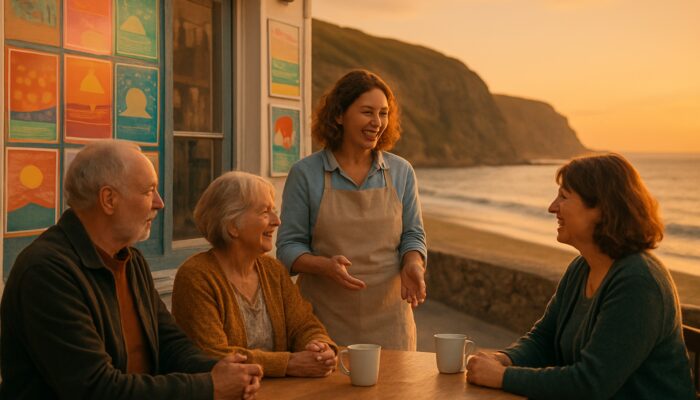
In Belize, the official language is English, yet the cultural landscape is enriched with a variety of languages that colour daily interactions. These include Belizean Kriol, a collection of Mayan languages, Spanish, and Garifuna. Each of these languages embodies the unique heritage of the diverse regions and communities that make up this vibrant nation. To navigate language use effectively during your visit, consult this clear map, informative table, and handy checklist. They will help you determine which language is most appropriate for different contexts and allow you to learn essential phrases to enhance your travel experience.
Quick Language Overview for Visitors
Discover the Rich Linguistic Diversity of Belize
When and Where Should You Use Each Language?
For trips centred around stunning beaches and luxurious resorts like Ambergris Caye and Placencia, both English and Kriol will suffice for most interactions. However, if you venture across borders, into bustling market towns, or picturesque rural areas of southern Belize, it is wise to learn and memorise basic Spanish phrases. For cultural excursions—such as the lively Garifuna drumming nights in Hopkins or immersive Maya village tours in Toledo—using simple greetings in Garifuna or the local Maya language can create goodwill and foster connections, as local guides often provide translation assistance.

Your Essential Travel Planning Checklist for a Successful Visit
- Memorise a few key phrases: hello, thank you, please, how much, excuse me, where is… to enhance your interactions and show respect for local culture.
- Utilise English for all formal bookings; it is advisable to carry a printed confirmation whenever feasible, ensuring smooth communication.
- Tailor your language use to the specific region—employ Spanish in border towns, Garifuna in Hopkins, and Maya languages in Toledo for authentic experiences.
- Engage local guides for cultural excursions—refer to our insights on Belize’s rich language history for deeper understanding: Belize’s language history and biodiversity.
Why Timing and Language Are Crucial for Your Belize Experience
The dry season, spanning from November to April, represents the peak season for visitors to Belize. To guarantee a spot with local guides for cultural events and specialised language-focused experiences, it is advisable to book several months in advance. Additionally, to check flight and seat availability, ensure you plan early and compare options at Book flights to Belize.
Implementing Effective Communication Strategies as a Traveler
- When speaking, articulate clearly and at a slower pace rather than raising your voice—Belizean English has unique rhythms but is generally easy to comprehend, making communication smooth.
- Utilise written polite phrases when necessary; many shopkeepers may respond in Kriol or Spanish, enhancing your transactional experience.
- Download an offline Spanish phrasebook or install a simple translation app for Maya terms, as anticipate limited digital connectivity in remote regions of Belize.
- Be respectful of language use in cultural contexts; always ask for permission before recording performances or ceremonies to show appreciation for local customs.
Next Steps: Booking Accommodations and Planning Your Journey
If you are planning your accommodations based on language preferences and local cultural experiences, our comprehensive accommodation guide categorizes options by region and ambiance: Belize hotels. When arranging flights and itineraries, it is wise to secure your transport and guides early—visit book flights to Belize to seamlessly combine your travel plans with local cultural experiences.
Plan Your Journey with XamanekBelize
Do you need a customised itinerary that aligns with language, culture, and the appropriate season? We can recommend hotels, local guides, and cultural visits tailored to your preferences, ensuring an enriching experience.
Frequently Asked Questions About Languages in Belize
What Are The Most Common Languages Spoken In Belize?
The primary languages spoken in Belize include English (official), Belizean Kriol (widely recognised as the lingua franca), and Spanish (frequently used near borders and in various towns), reflecting the country’s multicultural fabric.
Do Most Belizeans Have Proficiency in Spanish?
A significant number of Belizeans speak Spanish, but it is not universally spoken; it is particularly prevalent in northern and southern districts and among communities with Hispanic heritage. In tourist areas and islands, English or Kriol is more commonly used, facilitating easier communication for visitors.
Is Learning Garifuna or Maya Phrases Beneficial?
Absolutely—acquiring a basic greeting or expressing gratitude in Garifuna or a local Maya language demonstrates respect and can significantly enhance your interactions during community visits. Local guides will appreciate your efforts and can assist with correct pronunciations, enriching your travel experience.
What Should I Bring to Improve My Communication?
Consider bringing a compact phrasebook or installing an offline translation app, along with a notebook for jotting down addresses and a printed booking confirmation. In more remote locations, ensure you have contact information for your guide or hotel, facilitating seamless communication.
For a deeper understanding of the historical context behind Belize’s multilingual landscape, our comprehensive article delves into the island’s linguistic history and its biodiversity: Belize’s unique language history and biodiversity.
The Article Languages Spoken In Belize — Quick Guide & Travel Tips appeared first on Belize Travel Guide
The Article Languages in Belize: Essential Travel Tips and Guide Was Found On https://limitsofstrategy.com